
AboutAll AboutAbout UsClient Testimonials
Home
ServicesAll ServicesSocial Media ManagementPaid AdvertisingWebsites & Online StoresSEOBranding & DesignBusiness Growth Automation
Blog Contact
Englishالعربية
Our WorkAll Our WorkAd Campaign ResultsWebsitesOnline StoresBranding & LogosSocial MediaPrint Design
Explore services

Day: Last Updated: July 21, 2026

  • Retargeting in Digital Marketing: Everything You Need to Know for Success

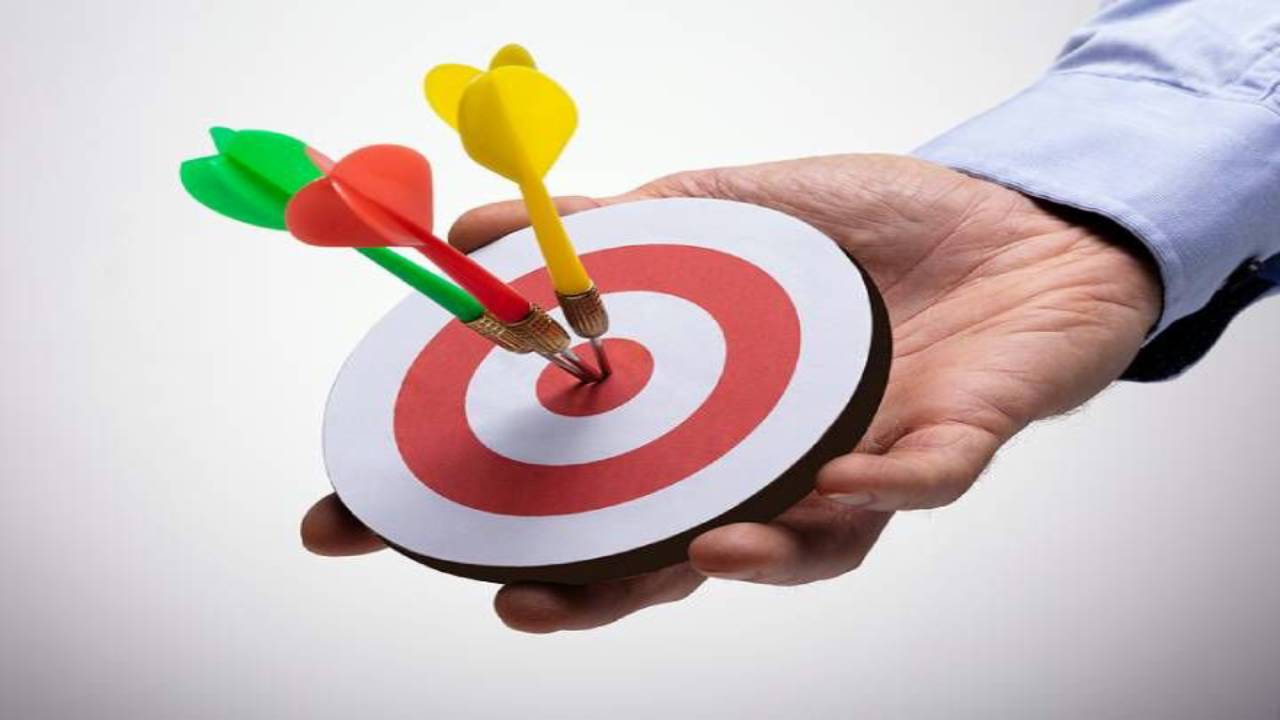
    Retargeting in Digital Marketing: Everything You Need to Know for Success

    What Is Retargeting Strategy in 2026?

    Retargeting / Remarketing is one of the most powerful digital marketing techniques for boosting conversion rates. Statistics indicate that over 97% of visitors to websites and online stores leave without making a purchase on their initial visit.

    This is where intelligent retargeting comes into play, following up with these visitors and reminding them of products or services they showed interest in as they browse other websites, social media platforms, and mobile apps.

    How Retargeting Works in the Modern Data Era

    With digital marketing shifting in 2026 towards total reliance on First-Party Data and server-side tracking via Conversions API (CAPI) instead of traditional third-party cookies, retargeting now relies on precise event tracking, such as:

    • Viewing a specific product page without buying.
    • Adding products to cart and leaving (Abandoned Carts).
    • Interacting with social media posts or watching a specific percentage of an ad video.
    • Lapsed email subscribers or customers who haven’t ordered recently.

    Main Types of Retargeting Campaigns

    • Dynamic Retargeting: Displaying automatically generated ads featuring the exact product the customer viewed or abandoned in cart.
    • Search Engine Retargeting (RLSA): Targeting past site visitors when they search for keywords related to your business on Google.
    • Omnichannel Retargeting: Reaching customers synchronously via ads, email, and automated WhatsApp messages.
    • Social Engagement Retargeting: Building custom audiences from users who interacted with your Instagram or TikTok accounts.

    Best Practices for Retargeting Campaign Success in 2026

    • Frequency Capping: Avoid annoying customers by showing ads dozens of times a day to prevent ad fatigue.
    • Granular Audience Segmentation: Tailor messages for each stage; an abandoned cart user requires a different offer than a homepage browser.
    • Exclude Converted Customers: Direct existing buyers toward cross-selling campaigns instead of showing products they already bought.
    • Provide Incentive Offers: Use limited-time discounts or free shipping to spur buyer action.

    Frequently Asked Questions About Retargeting (FAQ)

    1. What is the difference between Retargeting and Remarketing?

    Retargeting usually focuses on paid network and search ads based on digital behavior, while Remarketing often focuses on email and direct contact. However, in 2026, the terms are used interchangeably.

    2. Do privacy regulations affect retargeting effectiveness?

    With Conversions API implementations and AI-powered analytics, campaigns have become more accurate, secure, and compliant with global privacy laws.

    3. What is the ideal retargeting window after a website visit?

    It depends on product type; for consumer goods, the first 7-14 days are most effective, whereas B2B services may extend 30-60 days.

    In Conclusion

    Retargeting bridges initial visitor interest and final purchasing decisions, without which companies lose substantial potential sales opportunities in 2026.

    Advice from Marketing Dot Limited: Design a complete retargeting funnel and deliver genuine value in every ad to secure audience response and trust.
  • The Importance of Marketing Algorithms: How They Affect Your Brand Success

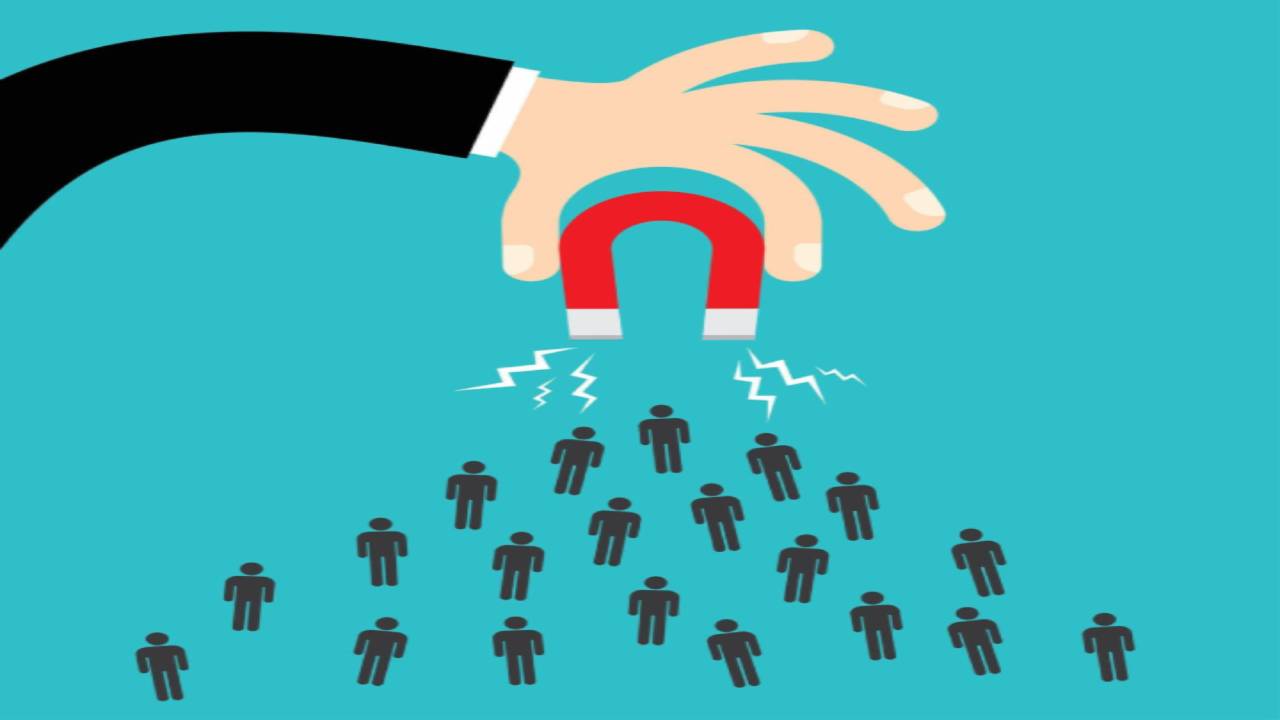
    The Importance of Marketing Algorithms: How They Affect Your Brand Success

    The Concept of Digital Marketing Algorithms in 2026

    Marketing Algorithms are the intelligent engines driving today’s digital world. They consist of complex mathematical rules, artificial intelligence models, and machine learning algorithms that process vast amounts of data in fractions of a second to determine which content and ads appear to each user, when, and on which platform.

    Whether relying on search engines like Google or social media platforms like Instagram and TikTok, algorithms dictate the reach of your marketing message to your target audience and their engagement with it.

    How Do Marketing Algorithms Impact Brand Success?

    • Hyper-Personalization: Algorithms analyze user behaviors and interests to serve tailored ads and content that precisely address individual needs.
    • Improving Return on Ad Spend (ROAS): Through smart ad tools like Meta Advantage+ and Google Performance Max, algorithms optimize budgets and automatically target high-converting segments.
    • Optimal Timing and Placement: Algorithms ensure promotional messages land when visitors are most receptive to engaging or purchasing.
    • Predictive Analytics: Empowering brands to forecast market trends and customer preferences before they occur.

    Key Types of Digital Marketing Algorithms

    • Search Engine Algorithms: Focus on evaluating content quality, user experience, and E-E-A-T signals to rank pages in search results.
    • Social Media Algorithms: Rely on engagement metrics (comments, shares, watch time) to govern organic content reach.
    • E-Commerce Recommendation Engines: Suggest personalized products based on browsing history and purchase behavior.

    How to Adapt to Marketing Algorithms for Best Results in 2026

    • Produce High-Quality, User-First Content: Modern algorithms reward original content satisfying consumer intent, not content designed to game the system.
    • Leverage First-Party Data: In light of privacy updates and third-party cookie deprecation, building proprietary databases is crucial to feeding algorithms accurate data.
    • Continuous A/B Testing: Regularly test ad creatives, copy, and CTAs to feed algorithms optimal inputs.
    • Focus on Genuine Engagement Metrics: Encouraging followers to comment, save posts, and direct message raises page evaluations by algorithms.

    Frequently Asked Questions About Marketing Algorithms (FAQ)

    1. Do marketing algorithms change constantly?

    Yes, major platforms regularly update their algorithms to ensure top user experiences and curb manipulative practices.

    2. How do you handle declining organic reach caused by algorithms?

    By diversifying content formats, creating short-form vertical videos, and blending organic strategy with targeted paid ads.

    3. Does AI completely run algorithms in 2026?

    AI drives data analysis and content recommendation, but human creativity and overarching strategy remain essential for guiding algorithms.

    In Conclusion

    Understanding marketing algorithms and working in harmony with them is the key to expanding your brand and achieving sustainable growth in 2026.

    Advice from Marketing Dot Limited: Do not try to trick algorithms; focus on providing genuine value to your audience, and algorithms will elevate you to the top.