AboutAll AboutAbout UsClient Testimonials
Home
ServicesAll ServicesSocial Media ManagementPaid AdvertisingWebsites & Online StoresSEOBranding & DesignBusiness Growth Automation
Blog Contact
Englishالعربية
Our WorkAll Our WorkAd Campaign ResultsWebsitesOnline StoresBranding & LogosSocial MediaPrint Design
Explore services

Day: Last Updated: July 21, 2026

  • How to Build a Successful & Profitable Influencer Marketing Campaign in 2026

    How to Build a Successful & Profitable Influencer Marketing Campaign in 2026

    How to Create a Successful & Profitable Influencer Marketing Campaign in 2026

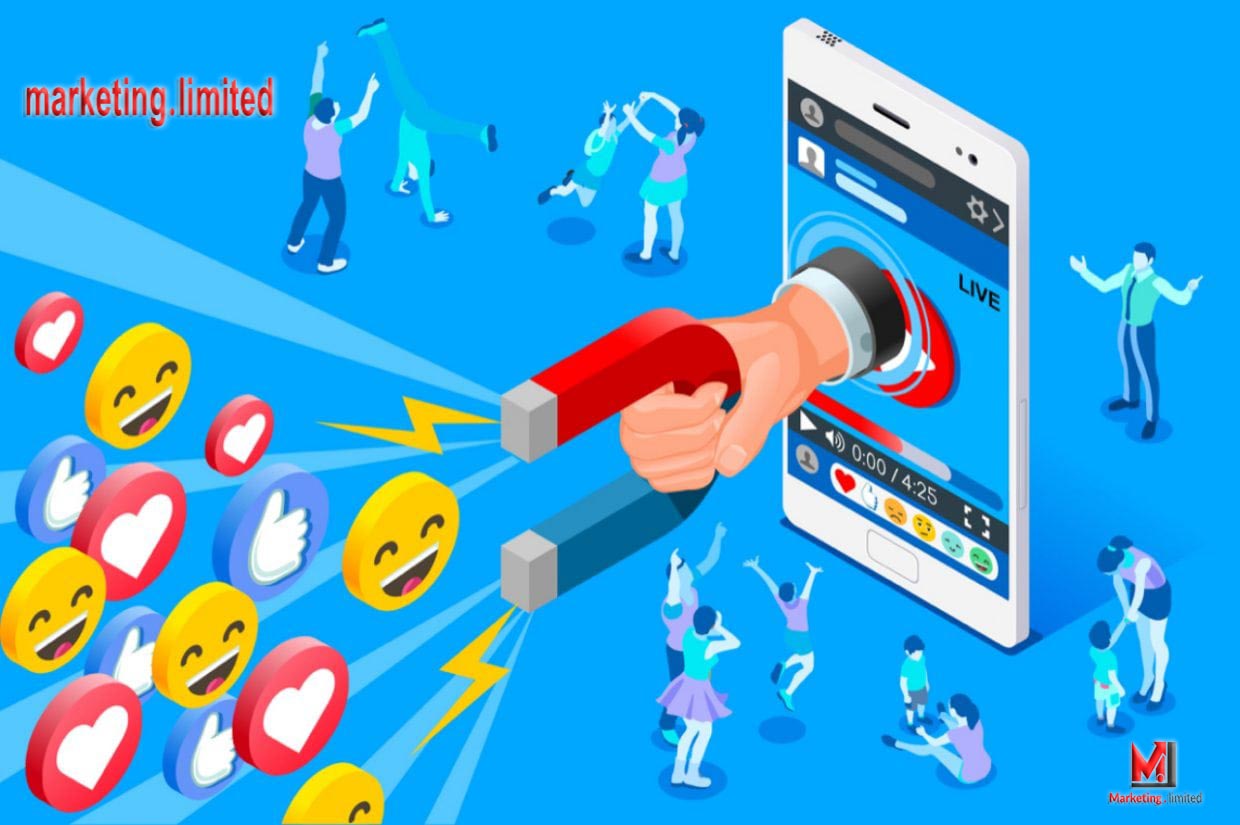
    Influencer Marketing has become one of the most powerful and impactful strategies for building brand awareness and driving sales. In 2026, audiences are no longer attracted to direct, traditional ads; instead, they trust honest, authentic content originating from content creators and influencers they follow daily.

    Influencer Classifications in 2026 & How to Choose the Best for Your Budget

    1. Micro & Nano Influencers

    Their follower count ranges between 1,000 to 50,000. These influencers possess the highest engagement rates and high trust within local communities, making them the ideal choice for startups and small stores due to low costs and high return.

    2. Macro & Mega Influencers

    Their follower count exceeds hundreds of thousands or millions. This category suits large enterprises and brands aiming to build broad Brand Awareness and launch major product lines.

    3. AI & Virtual Influencers

    A emerging trend in 2026 relying on virtual avatars generated by artificial intelligence to lead innovative promotional campaigns in fashion, tech, and beauty sectors.

    Steps to Build an Ultra-Successful Influencer Campaign

    A. Accurately Define Campaign Goal and Target Audience

    Before reaching out to any influencer, determine whether your goal is boosting brand awareness, increasing website traffic, or driving direct sales via custom promo codes.

    B. Choose Influencers Aligned with Your Brand Values

    Do not base decisions solely on follower count; inspect the following criteria:

    • Influencer specialization and niche relevance to your product.
    • Genuine engagement rate on posts and videos.
    • Audience demographics (geography and age group) matching your target customer.

    C. Grant Creative Freedom to the Influencer

    Influencer marketing succeeds when products appear naturally and unscripted. Supply the influencer with key product value points, but leave room for their unique voice and style that their audience trusts.

    D. Track Results & Measure ROI

    To ensure campaign profitability, leverage:

    • Dedicated discount codes per influencer to attribute sales.
    • UTM tracking links to measure conversions in Google Analytics.
    • Engagement metrics, shares, and cost per thousand impressions (CPM).

    Critical Pitfalls to Avoid in Influencer Contracts

    • Relying on influencers with fake followers without auditing analytics.
    • Imposing rigid advertising scripts that make sponsored content look fake.
    • Failing to draft a legal contract specifying deliverable count, timelines, and content usage rights.
  • The Ultimate Guide to Influencer Marketing: Everything You Need to Know

    The Ultimate Guide to Influencer Marketing: Everything You Need to Know

    Influencer Marketing in 2026: Comprehensive Guide to Building Successful Campaigns

    Influencer Marketing is one of the fastest-growing and most effective marketing channels in 2026. Leveraging social media personalities and content creators builds authentic bridges of trust with audiences, directly boosting brand awareness and accelerating sales conversions.

    Key Benefits of Influencer Marketing for Brands

    • Building Immediate Credibility: Audiences trust influencer recommendations far more than traditional commercial ads, significantly shortening the buying decision cycle.
    • Precision Audience Targeting: Partnering with influencers in specialized niches (such as tech, fashion, health, or business) guarantees direct reach to highly qualified leads.
    • Creating High-Quality Content (UGC): Influencer content can be repurposed across official brand channels, boosting digital campaign performance.
    • Enhancing SEO Performance: Influencer reviews and links drive search volume, direct traffic, and brand authority across search engines.

    Types of Influencers and How to Select the Ideal Partner in 2026

    Content creators are classified into key categories based on follower counts and engagement levels:

    • Nano-Influencers (1,000 – 10,000 followers): Known for extremely high engagement rates and deep personal connections with their community, making them ideal for local startups.
    • Micro-Influencers (10,000 – 100,000 followers): Offer the optimal balance between affordable budgets, high specialization, and strong target conversion rates.
    • Macro & Mega Influencers (100,000+ to Millions): Best suited for large-scale brand awareness campaigns and launching new mass-market products.

    Steps to Launch a Successful Influencer Marketing Campaign

    1. Define Campaign Goals and KPIs: Determine whether the goal is brand awareness, website traffic, or direct sales conversions.
    2. Carefully Vet Influencers: Analyze follower authenticity, engagement rates, and brand alignment using digital analytics tools.
    3. Provide Creative Freedom: Allow influencers to craft messages in their unique voice and style to maintain authenticity with their audience.
    4. Track Performance and ROI: Use custom tracking links, exclusive promo codes, and UTM parameters to accurately measure ROI.

    Conclusion

    Influencer marketing in 2026 is a strategic investment in audience trust. By selecting the right partners and executing data-driven campaigns, brands can achieve sustainable growth and strong market positioning.

  • Benefits of E-Commerce & Its Role in Solving Marketing Challenges in 2026

    Benefits of E-Commerce & Its Role in Solving Marketing Challenges in 2026

    Key Advantages of E-Commerce & Its Major Role in Solving Marketing Problems in 2026

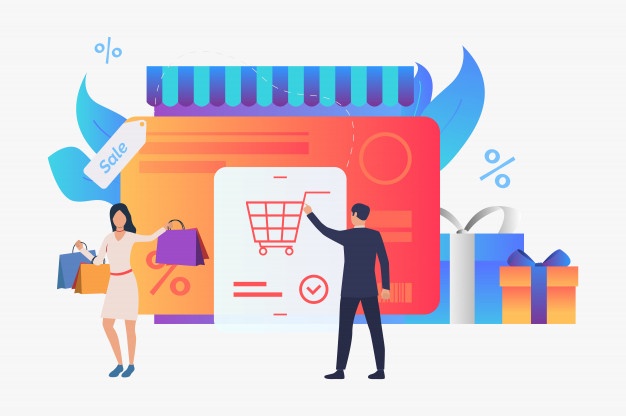
    E-commerce in 2026 is experiencing exceptional growth; it is no longer just an alternative channel for selling products, but the main engine of the digital economy and the most successful solution for overcoming complex marketing challenges that businesses faced for decades in traditional retail.

    Top Benefits of E-Commerce in the Modern Era

    1. Cross-Border Expansion and Reach

    E-commerce enables store owners to transcend geographical boundaries and reach millions of customers globally without opening physical branches in every country, while providing fast and reliable international shipping and payment options.

    2. Hyper-Personalization and Customer Experience

    Thanks to artificial intelligence technologies, each visitor is presented with tailored content and offers based on browsing history, interests, and location, significantly improving customer satisfaction and purchase conversion rates.

    3. Low Operational Costs

    Online stores reduce administrative overhead, expensive storefront leases, and heavy staffing costs, allowing companies to offer competitive pricing to consumers while maintaining excellent profit margins.

    4. 24/7 Availability

    Sales transactions in an online store do not stop at closing hours; the platform continues receiving orders and processing automated payments 24 hours a day.

    How E-Commerce Solves Major Marketing Challenges

    A. Ad Waste and Targeting Difficulty

    In traditional marketing (like billboards and TV), a large portion of budget is wasted on uninterested audiences. In e-commerce, digital ads ensure reach exclusively to groups actively interested in the product based on behavior and search intent.

    B. Measurability and Performance Tracking

    Digital analytics tools in e-commerce offer precise tracking for every currency unit spent; you can track how many visitors viewed a product, added it to cart, and completed checkout with high precision.

    C. Cart Abandonment and Stagnant Inventory

    Through retargeting campaigns, automated email workflows, and WhatsApp messaging, businesses can automatically communicate with visitors who left items in their cart and motivate them to complete their purchase with promotional incentives.

    Steps to Start and Succeed in E-Commerce for 2026

    • Build a Fast, User-Friendly Online Store: Ensure mobile responsiveness and seamless navigation.
    • Provide Flexible Payment Options: Integrate credit/debit cards, digital wallets, and Buy Now Pay Later (BNPL) services.
    • Invest in Content and Influencer Marketing: Utilize short product videos (Reels / TikTok) and authentic reviews to build trust.
    • Prioritize Customer Service and Rapid Support: Use AI chatbots to deliver instant responses to inquiries and order tracking.
  • Advantages of E-Commerce and Its Major Role in Solving Marketing Challenges

    Advantages of E-Commerce and Its Major Role in Solving Marketing Challenges

    Advantages of E-Commerce and Its Leading Role in Solving Marketing Challenges in 2026

    E-commerce has become the backbone of the global business landscape in 2026. Beyond transforming product selling and distribution methods, digital retail has addressed fundamental marketing bottlenecks that previously limited business expansion and profitability.

    Top Advantages of E-Commerce for Modern Businesses

    • 24/7 Continuous Store Availability: Operating round-the-clock without time or geographic constraints, generating non-stop sales opportunities.
    • Global and Regional Market Expansion: Overcoming physical store boundaries to reach customers across domestic and international markets seamlessly.
    • Significant Operational Cost Savings: Reducing overhead expenses related to physical rentals, large store staff, and traditional utility costs.
    • Data-Driven Personalization: Utilizing real-time analytics and AI to analyze consumer behavior and deliver tailored product recommendations.

    How E-Commerce Solved Traditional Marketing Bottlenecks

    1. Reducing High Advertising Costs and Enhancing ROI

    Traditional media advertising (billboards, TV, print) required massive budgets with unmeasurable results. E-commerce enables targeted digital campaigns with flexible budgets, precise demographic tracking, and transparent Return on Ad Spend (ROAS).

    2. Eliminating Sales Friction and Instant Checkout Barriers

    Integrating smart payment gateways, instant wallets, and automated order processing ensures a seamless purchasing journey, reducing cart abandonment and driving conversion rates.

    3. Precise Audience Segmentation and Retargeting

    E-commerce platforms track visitor interactions, allowing businesses to launch custom retargeting campaigns for cart abandoners or previous buyers to maximize Customer Lifetime Value (CLV).

    Conclusion

    Adopting e-commerce strategies in 2026 empowers businesses to overcome traditional marketing friction, expand market share, and build long-term customer loyalty in an increasingly digital world.

  • Key Digital Marketing Terms Every Business Owner Should Know in 2026

    Key Digital Marketing Terms Every Business Owner Should Know in 2026

    Top Digital Marketing Terms Every Business Owner Should Know in 2026

    The field of digital marketing is evolving at a astonishing speed, bringing new terms and technologies that reshape how campaigns and commercial experiences are managed. Whether you are an e-commerce store owner, entrepreneur, or digital marketer, mastering modern digital marketing terms for 2026 gives you the ability to interpret reports and make data-driven decisions to increase sales and profits.

    Cost & Return Terms (Costs & Returns)

    1. ROAS (Return On Ad Spend)

    Measures direct sales generated for every dollar or currency unit spent on paid advertising. Calculated using the formula: (Total Ad Revenue / Total Ad Spend).

    2. ROI (Return On Investment)

    Measures overall profitability of your marketing activity after deducting all operational, advertising, and product production costs.

    3. CPA (Cost Per Acquisition)

    The amount paid to acquire a new customer who performs a specific conversion action (such as buying a product or subscribing to a service).

    4. CAC (Customer Acquisition Cost) vs. LTV (Customer Lifetime Value)

    • CAC: The total comprehensive cost to attract a new customer.
    • LTV: Total net profit generated by a customer throughout their relationship with the business. The golden rule in 2026 states that LTV should be several times higher than CAC to ensure sustainability.

    Performance & Engagement Terms

    5. CTR (Click-Through Rate)

    The percentage of people who clicked on your ad or link compared to total ad impressions.

    6. CR (Conversion Rate)

    The percentage of page visitors who completed the desired action (such as purchasing, signing up, or downloading a file) out of total page visitors.

    7. CRO (Conversion Rate Optimization)

    A set of experiments and optimizations applied to website design and content to increase conversion rates without needing to raise ad budgets.

    Search Engine & Technology Terms (SEO & AI)

    8. SEO (Search Engine Optimization)

    Optimizing website structure and content to rank high in organic search results on Google and other search engines.

    9. GEO (Generative Engine Optimization)

    A new term in 2026 referring to optimizing content and structured data to be retrieved and cited by conversational AI models (like ChatGPT, Gemini, Copilot) when answering user queries.

    10. Long-Tail Keywords

    Specific search phrases consisting of 3-5 words that have lower competition and higher conversion rates, such as “best running shoes for flat feet”.

    Targeting & Content Terms

    11. Remarketing / Retargeting

    Showing customized ads to users who previously visited your website or engaged with your social media accounts to prompt them to complete a purchase.

    12. UGC (User Generated Content)

    Content (videos, photos, reviews) created by real customers for a product. UGC has become the primary driver for convincing buyers in 2026, surpassing traditional advertising.

    13. Sales Funnel

    The customer journey starting from Brand Awareness, progressing through Consideration, and concluding with the purchase Decision.

    14. A/B Testing

    Testing two versions of an ad or landing page with a single variable changed (such as headline or button color) to determine which version performs better.

  • Platform X: Its Major Impact on Digital Marketing and E-Commerce

    Platform X: Its Major Impact on Digital Marketing and E-Commerce

    The Role of Platform X (Twitter) in Modern Marketing and E-Commerce in 2026

    Platform X (formerly Twitter) continues to be one of the most influential digital spaces for public discourse, trend creation, and real-time marketing in 2026. With continuous updates integrating social commerce, creator tools, and advanced AI features, X has evolved into a vital growth driver for brands and e-commerce businesses.

    Key Advantages of Marketing on Platform X

    • Real-Time Trend Engagement: Leveraging viral hashtags and breaking topics to align brand messaging with immediate public interest.
    • Direct Customer Support and Engagement: Providing fast, transparent customer support through direct messages and public replies, enhancing brand loyalty.
    • Directing Targeted Traffic to E-Commerce Stores: Sharing short-form compelling content paired with direct links drives high-intent visitors to product pages.
    • Building Thought Leadership and Brand Authority: Engaging in industry discussions and hosting X Spaces positions executives and businesses as industry leaders.

    Key Marketing Strategies for Platform X in 2026

    1. Utilizing Premium Analytics and Target Ads

    Leveraging X Ads targeting capabilities enables brands to reach users based on specific keywords, follower interests, and real-time conversation topics with optimal ad spend efficiency.

    2. Integrating Social Commerce and Product Showcases

    Featuring curated product cards and integrated shop feeds on company profiles allows users to discover products directly within the platform.

    3. Combining Text with Engaging Visual Content

    Posts incorporating crisp images, short video clips, or interactive polls yield significantly higher engagement rates compared to plain text tweets.

    Conclusion

    Platform X remains an indispensable hub for real-time engagement and digital brand authority in 2026. Utilizing strategic content and interactive advertising on X drives strong customer acquisition and brand equity.