Blog

  • 10 Golden Tips for Successful Digital Marketing in Ramadan 2026

    10 Golden Tips for Successful Digital Marketing in Ramadan 2026

    The holy month of Ramadan is an exceptional season for e-commerce and digital marketing in the Arab and Islamic world. This month sees a massive surge in digital spending and online browsing hours. To ensure maximum sales and strengthen your brand presence in 2026, here are 10 golden tips for successful digital marketing during Ramadan.

    10 Strategic Digital Marketing Tips for Ramadan 2026

    • 1. Early Planning & Campaign Setup: Launch marketing campaigns at least two weeks before Ramadan to build awareness and prepare your audience for Ramadan deals.
    • 2. Optimize Store Speed & Mobile Experience: Ensure ultra-fast loading times and full mobile compatibility, as smartphones account for over 80% of Ramadan shopping traffic.
    • 3. Target Peak Ramadan Hours: Focus advertising and content during high-engagement windows, especially the hours preceding Iftar and the post-Taraweeh to Suhoor period.
    • 4. Offer Customized Ramadan Bundles: Create product bundles tailored for Ramadan gifts and home preparations.
    • 5. Automate AI Recommendations: Utilize personalized recommendation algorithms to showcase the most relevant products to each visitor while browsing.
    • 6. Adopt Ramadan-Themed Branding: Refresh store visual interfaces and social media accounts with visual designs reflecting the spirit of the holy month.
    • 7. Launch Contests & Interactive Content: Boost customer engagement through Ramadan riddles and contests offering instant discount coupons and prizes.
    • 8. Provide Flexible Payment Options (BNPL): Integrate Buy Now Pay Later gateways (such as Tabby and Tamara) to facilitate purchases and increase average order value.
    • 9. Ensure Fast & Accurate Delivery: Coordinate with logistics companies to guarantee timely order delivery, especially urgent supplies and Eid gifts.
    • 10. Abandoned Cart Recovery via Smart Messaging: Send tailored reminders via WhatsApp and email to customers who left items without completing their purchase.

    Conclusion: Preparing for the Ramadan Season

    The success of your marketing campaign in Ramadan 2026 depends on fast responsiveness to consumer behavior and combining AI with engaging designs. By applying these strategies, you can multiply your sales and build sustainable relationships with your customers.
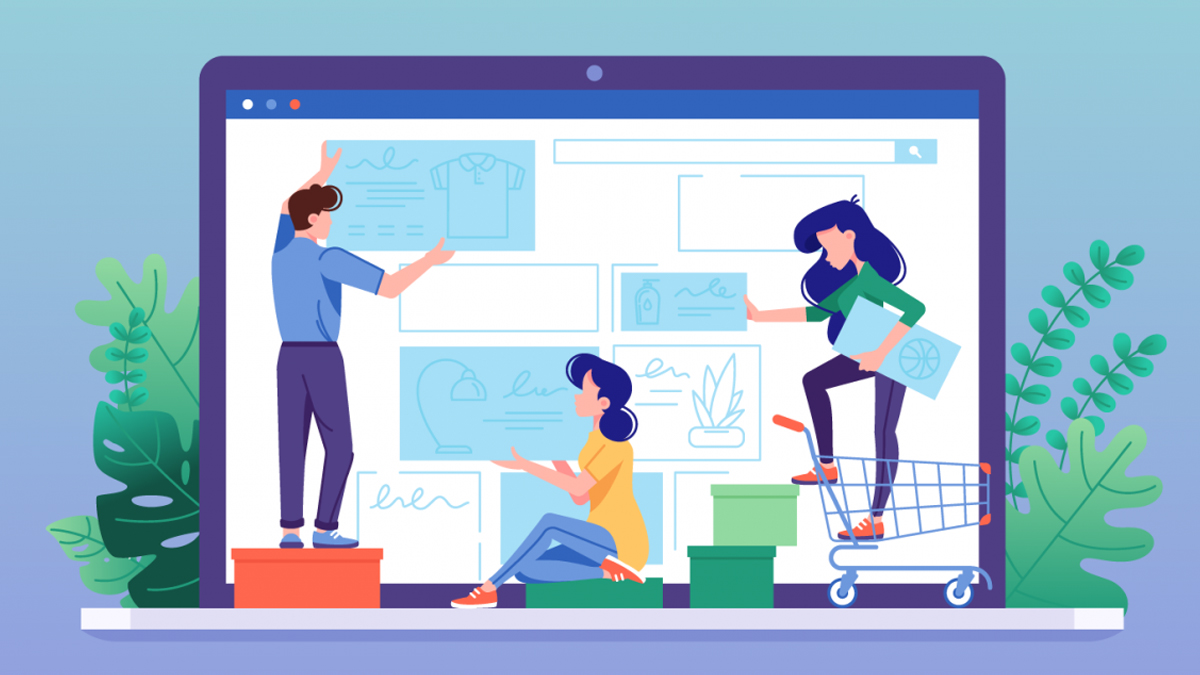
  • E-Commerce Store vs Website: Key Differences & Which Is Best for You

    E-Commerce Store vs Website: Key Differences & Which Is Best for You

    Many business owners and entrepreneurs in 2026 wonder about the difference between creating a website and launching an e-commerce store, and whether their business needs one or both. Although an e-commerce store is a specialized type of website, their core functions, business objectives, and underlying tech stacks differ fundamental manner.

    What Is a Website?

    A website is a digital platform consisting of web pages designed primarily to display information, introduce a company or service, and build brand trust. A website highlights informational content such as About Us, Services, Blog, and Contact pages.

    Key Characteristics of a Website:

    • Focuses on brand awareness and showcasing services.
    • Ideal for service businesses, consultancies, professional firms, and official institutions.
    • Typically lacks online payment gateways or direct inventory management.
    • Facilitates direct inquiry via contact forms, email, or WhatsApp.

    What Is an E-Commerce Store?

    An e-commerce store is a digital platform built specifically to execute commercial and financial transactions online. It enables users to browse product catalogs, select items, add products to a shopping cart, and pay directly online with automated invoicing and order tracking.

    Key Characteristics of an E-Commerce Store:

    • Displays products with pricing and technical specs for instant online purchase.
    • Integrates seamlessly with online payment gateways and shipping logistics carriers.
    • Includes automated back-end systems for inventory management, order processing, and discount promotions.
    • Provides a complete self-service shopping experience without requiring sales representative interaction.

    Comprehensive Comparison: Website vs E-Commerce Store in 2026

    Here are the primary distinctions summarized below:

    • Main Goal: A corporate website aims to introduce the business and build trust, while an e-commerce store aims for direct sales and conversions.
    • Payment Processing: A standard website usually lacks direct product payment options, whereas an e-commerce store requires encrypted payment gateways.
    • Inventory Tracking: E-commerce stores automatically track product stock across warehouses, which standard websites do not require.
    • User Experience: Websites focus on reading content and sending inquiries, while online stores focus on checkout speed and smooth purchasing journeys.

    Which Is Better for Your Business in 2026?

    Choose a Corporate Website If You:

    Provide specialized services (e.g., consulting, legal, design, or software development), run a B2B business requiring custom contracts, or want a portfolio website to showcase past projects and build market authority.

    Choose an E-Commerce Store If You:

    Sell physical or digital products ready for immediate purchase (such as apparel, cosmetics, electronics, or downloadable courses), and want to offer automated 24/7 checkout without manual intervention.

    Can You Combine Both?

    Absolutely! In 2026, most successful online stores feature built-in blogs and informational company pages within their e-commerce platforms to drive organic search traffic via Google, reaping the benefits of both a website and a store in one unified platform.

    Conclusion

    Choosing between a corporate website and an online store depends on your business model and commercial goals. Ensure you select a tech stack built to support your growth and scalability in 2026 and beyond.

  • Website vs. E-Commerce Store: Key Differences & Which is Right for You in 2026?

    Website vs. E-Commerce Store: Key Differences & Which is Right for You in 2026?

    With the evolution of digital transformation tools and e-commerce in 2026, many entrepreneurs and startups wonder about the fundamental difference between a Company Website and an E-commerce Store, and which represents the optimal choice to achieve their business goals.

    What is the Main Difference Between a Website and an E-Commerce Store?

    Although an e-commerce store is considered a specialized type of website, there are core differences in objective, functionality, and how visitors interact with the platform:

    • Website: Primarily aims to build brand identity, introduce the company, showcase professional services, and publish educational or news content. It typically does not include direct payment gateways or a shopping cart.
    • E-commerce Store: Specifically designed to execute online buy-and-sell transactions. It features product catalogs, shopping carts, multiple online payment gateways, and inventory/sales management systems.

    Quick Comparison Table: Website vs. E-Commerce Store

    To better clarify the distinction, here are the primary differences between both options:

    • Main Objective: Website presents services and corporate identity / E-commerce store enables direct sales and revenue generation.
    • Payment Gateways: Website has no online payment or limits to quote request forms / E-commerce store integrates multiple online payment gateways (Mada, Visa, Apple Pay, etc.).
    • Product & Inventory Management: Website displays static service lists or product showcases / E-commerce store tracks stock, quantities, size, and color options in real time.
    • User Experience: Website is built for browsing content and contact / E-commerce store allows browsing, adding to cart, and one-click checkout.

    Which Option is Best for Your Business in 2026?

    Choose a Website if your business aims to:

    • Provide consulting services, professional solutions, or B2B contracts requiring direct communication.
    • Build an official corporate digital presence and display a portfolio.
    • Generate prospective leads (Lead Generation) and book appointments.

    Choose an E-Commerce Store if your business aims to:

    • Sell tangible products (clothing, electronics, perfumes) or digital products (e-books, online courses).
    • Automate sales and fulfillment processes without needing manual communication for every order.
    • Expand across local and regional markets to increase round-the-clock sales volume.

    The Hybrid Model: The Ideal Solution in 2026

    In modern digital marketing strategies, there is no conflict between the two concepts. A successful online store needs an educational blog to attract organic traffic via search engines (SEO), while a corporate website can easily integrate a sales module. Defining your business goals clearly is the driver that guides your choice toward the right solution.

  • Top Content Marketing Strategies to Boost E-Commerce Store Traffic

    Top Content Marketing Strategies to Boost E-Commerce Store Traffic

    In 2026, content marketing remains the most sustainable investment to increase e-commerce store traffic while lowering customer acquisition costs (CAC). Content is no longer just words written on store pages; it has evolved into a strategic driver that builds trust, elevates search rankings, and converts visitors into active buyers.

    Top Content Marketing Strategies to Drive Store Traffic in 2026

    1. Build an Intent-Driven Store Blog

    Creating articles and guides that resolve real pain points for your target audience ensures top rankings on Google. Focus on delivering comprehensive answers and thorough topic coverage related to your products to establish topical authority.

    2. Leverage User-Generated Content (UGC)

    Sharing real customer reviews, unboxing videos, and visual testimonials on your store and social media channels is one of the most persuasive content types in 2026, significantly boosting buyer trust and conversion rates.

    3. Create Detailed Buying Guides and Product Comparisons

    Providing product comparison guides, sizing charts, and buyer recommendations helps customers make informed purchasing decisions without hesitation, reducing bounce rates and keeping visitors on your site longer.

    4. Produce Short Explainer Videos

    Creating quick video clips showcasing product features and usage instructions can increase visitor engagement by over 80%. Embed these videos directly into product pages and blog posts to enhance the shopping experience.

    5. Master Authentic Brand Storytelling

    Connect your audience with your store’s origin, values, and mission. Consumers in 2026 buy from brands that align with their personal values and deliver tangible human connection.

    How to Ensure Content Strategy Success and Effective Distribution?

    • Content Repurposing: Transform comprehensive blog posts into short videos, infographics, and email newsletters to maximize reach.
    • Paid Content Amplification: Invest small budgets into retargeting visitors with educational content before guiding them to sales pages.
    • AI-Driven Content Analytics: Utilize data analytics tools to identify top-performing articles and pages, updating them regularly for optimal performance.

    Conclusion

    Content marketing is not a temporary tactic; it is the long-term growth engine of your e-commerce business. Start implementing these strategies in 2026 to build sustainable, free organic traffic that drives steady store revenue.

  • Top Content Marketing Strategies to Increase E-Commerce Store Traffic

    Top Content Marketing Strategies to Increase E-Commerce Store Traffic

    Content Marketing is the primary driver for attracting targeted visitors and boosting sales in e-commerce stores in 2026. By delivering smart and valuable content, you can convert casual visitors into loyal customers who trust your brand.

    Top Content Marketing Strategies for E-Commerce Stores

    The most successful content marketing strategies currently include:

    • 1. Brand Storytelling: Sharing your vision, values, and the reasons behind establishing your store, showing how your products help solve audience problems in an inspiring and emotional way.
    • 2. Creating Comprehensive Buying Guides and Comparisons: Providing detailed articles comparing different product options and clarifying benefits to help customers make purchasing decisions with confidence and ease.
    • 3. Leveraging User-Generated Content (UGC): Sharing customer reviews, visual experiences, and product demonstration videos to build high credibility.
    • 4. Content Repurposing: Transforming successful blog posts into short video clips (Reels/TikTok), infographics, and email newsletters to expand reach across different platforms.
    • 5. Offering Interactive Content and Tools: Using short quizzes, cost calculators, or smart recommendation tools to help visitors choose the most suitable product.
    • 6. Active Content Promotion: Investing in promoting top articles via paid ads, email newsletters, and retargeting to achieve the highest return on investment.

    Steps to Build a Content Marketing Plan for Your Store

    To ensure tangible results, follow these strategic steps:

    • Define the Target Audience: Carefully study buyer interests and behaviors, identifying their preferred channels.
    • Determine Content Types: Diversify between educational articles, explanatory videos, and interactive posts.
    • Set Up a Content Calendar: Commit to publishing content regularly during peak times suitable for your audience.
    • Measure Performance and Optimize: Track traffic rates, time on site, and conversion rates to continuously improve content.
  • 6 Crucial Reasons Why You Need an E-Commerce Store in 2026

    6 Crucial Reasons Why You Need an E-Commerce Store in 2026

    In 2026, digital transformation has become an unavoidable reality across all business sectors. Businesses relying solely on traditional retail outlets face major challenges in competing against brands offering instant, seamless online shopping right on consumers’ mobile phones. If you are still hesitating to enter digital commerce, here are 6 crucial reasons why you urgently need an e-commerce store today.

    6 Crucial Reasons Why You Need an E-Commerce Store in 2026

    1. Non-Stop 24/7 Sales Operation

    Unlike physical stores constrained by business hours and official holidays, your online store operates as a smart sales hub accepting orders and driving revenue 24 hours a day, 365 days a year—even while you sleep.

    2. Geographic Expansion and Global Reach

    An e-commerce store enables you to transcend regional boundaries and sell products to customers nationwide, across the Middle East, and globally without opening new physical branches or incurring massive real estate expenses.

    3. Reduced Operational Costs and Higher Profit Margins

    Setting up an online store requires a far smaller budget compared to renting, fitting out, and staffing physical storefronts, allowing you to reallocate capital into marketing and product quality enhancements.

    4. Customer Data Ownership and AI Personalization

    Your digital store provides accurate analytics on visitor behavior, popular items, and abandoned carts. This data enables personalized recommendations and targeted retargeting offers that boost conversion rates.

    5. Building a Strong, Independent Brand Identity

    Owning a dedicated online store gives you total control over your brand identity, page layout, and pricing policies, avoiding complete dependence on third-party marketplaces or social platforms whose rules can change overnight.

    6. Alignment with Modern Consumer Behavior and Smart Payments

    In 2026, over 80% of consumers prefer researching, comparing, and purchasing products in a single click on their phones using digital wallets and buy-now-pay-later (BNPL) options. An online store is the only way to meet these consumer expectations quickly and efficiently.

    Practical Tips for a Successful E-Commerce Store Launch

    • Select a reliable and user-friendly e-commerce platform (such as Shopify, WooCommerce, Salla, or Zid).
    • Focus on high-quality product photography and write clear product descriptions highlighting customer benefits.
    • Provide multiple secure payment methods and partner with logistics providers ensuring fast delivery.
    • Invest in digital marketing and content creation to boost search engine visibility.

    Conclusion

    Owning an e-commerce store in 2026 is no longer just a growth option—it is the cornerstone for your business’s survival and evolution. Every day you delay launching your online store is an opportunity granted to competitors to capture your potential customers.

  • 6 Urgent Reasons Why You Need an E-Commerce Store in 2026

    6 Urgent Reasons Why You Need an E-Commerce Store in 2026

    6 Reasons Why You Urgently Need an E-Commerce Store in 2026

    Transitioning toward digital commerce in 2026 has become a primary condition for corporate growth and sustainability. An online store is no longer just an additional sales outlet, but your main business headquarters granting your business the ability to reach a broader audience and drive continuous sales around the clock.

    Top 6 Reasons to Launch Your E-Commerce Store Today

    1. 24/7 Availability and Continuous Operation

    Unlike traditional stores with fixed working hours, your online store operates 24 hours a day, 7 days a week, allowing customers to browse products and complete orders whenever it suits them.

    2. Geographic Expansion and Reaching Global Markets

    An online store gives you the power to transcend geographical boundaries and serve customers across different cities and countries without needing to open new physical branches or incur additional operating expenses.

    3. Reduced Operational and Overhead Costs

    Lowering fixed overheads associated with physical venue rentals, utility bills, and staffing allows you to redirect budgets toward product development and high-ROI marketing campaigns.

    4. Understanding Customer Insights and Buying Behavior

    Utilizing intelligent analytics tools to understand target audience interests and preferences based on demographics helps you deliver personalized offers that increase conversion rates.

    5. Building Sustainable Brand Awareness and Digital Assets (SEO)

    Creating an educational marketing blog inside your store provides valuable content for customers, boosting your store’s search engine rankings on Google and continuously attracting targeted organic traffic.

    6. Seamless Integration with Social Networks for Direct Marketing

    Connecting your store with social media platforms enables directing traffic from ad campaigns directly to product pages to complete purchases quickly and easily.

    Strategies to Attract Shoppers to Your E-Commerce Store

    • Build a Strong Social Media Presence: Share real customer testimonials and reviews to build trust.
    • Provide Educational & Valuable Content: Write articles and guides explaining how customers benefit from your products.
    • Offer Tailored Deals and Recommendations: Encourage visitors to buy using competitive offers and easy payment options.

    Conclusion

    Investing in a professional, sustainable e-commerce store in 2026 is the decisive step to ensure your competitive edge and achieve significant breakthroughs in company profits and sales.

  • What Branding Really Is: The Hidden Elements of Building a Strong Brand Identity

    What Branding Really Is: The Hidden Elements of Building a Strong Brand Identity

    Many people believe that “branding” or building a brand is limited to designing an eye-catching logo or choosing matching colors for a website. However, in 2026, branding goes far beyond surface visuals. It represents the mental image, emotions, and cumulative trust that customers feel the moment they hear your brand name or see your products.

    What True Branding Really Means

    A brand is the genetic code of your business; it is the promise you make to your customers and the actual experience they live through at every touchpoint with your store—from browsing ads to unboxing products and receiving post-sale support.

    The Hidden Elements of Building a Powerful Brand in 2026

    1. Brand Voice & Tone

    How do you communicate with your audience? Is your tone friendly and approachable, formal and professional, or inspiring and innovative? Defining a unified communication tone across all channels gives your store a distinct personality that customers instantly recognize.

    2. Core Values & Purpose

    In 2026, Arab consumers actively seek out brands that champion authentic causes and commit to transparency, environmental sustainability, and high quality. Highlighting your core values builds deep emotional loyalty that is truly priceless.

    3. Visual Identity & Color Psychology

    This includes your logo, typography, color palette, and packaging design. Color selection is never random; blue conveys trust and security, green reflects renewal and growth, while red evokes passion and excitement.

    4. Consistent Customer Experience

    If your advertising implies luxury while your online store is slow and your packaging is subpar, the customer’s impression will shatter. Consistency between your promise and reality is the secret to sustainable branding.

    Case Study: The Secret Behind Apple’s Brand Success

    Apple serves as the prime model of successful branding across decades. Apple didn’t focus solely on technical specifications; instead, it championed its iconic slogan “Think Different” alongside the values of simplicity and innovation. When a customer buys an Apple product, they are not just buying an electronic device—they are purchasing a sense of distinction, innovation, and belonging to a community of creators.

    Actionable Steps to Develop Your Store’s Brand in 2026

    • Understand Your Audience Clearly: Identify their emotions, desires, and the specific problems you aim to solve.
    • Craft Your Brand Story: Share the inspiration behind founding your store and the challenges you overcame.
    • Maintain Complete Consistency: Standardize your visual designs and messaging tone across your website, social accounts, and email campaigns.
    • Evolve Continuously: Branding is an ongoing journey that adapts to market shifts and evolving shopper behavior in 2026.

    Conclusion

    Strong branding is what drives customers to choose you specifically, even when competitors offer lower prices. Invest in defining your brand’s personality and values in 2026 to secure a leading, sustainable position in the hearts and minds of your audience.

  • Understanding Branding and What It Hides in 2026

    Understanding Branding and What It Hides in 2026

    Understanding Branding and What It Hides in 2026

    Branding goes beyond a creative logo or a catchy name; it is the emotional and mental imprint formed in a customer’s mind when they interact with your company in 2026. Building a commercial identity is an ongoing strategic process that creates real value for the company and ensures its sustainability in the market.

    Key Elements of a Sustainable Commercial Identity

    • Logo: The visual symbol that encapsulates the company’s identity and makes it instantly recognizable.
    • Brand Name: The first impression and one of the most enduring assets of the company.
    • Slogan / Tagline: An innovative marketing message that summarizes the brand’s vision and promise.
    • Color Psychology & Visual Identity: Selecting colors that reflect the company’s values and affect the customer’s emotional response.
    • Tone of Voice: The way the brand communicates across digital and advertising channels.

    Case Study: Apple’s Brand Strategy

    Apple is a prime global example of powerful branding:

    • Vision & Goal: Continuous focus on innovation, simplicity, and delivering exceptional products that enhance users’ lives.
    • Famous Slogan: “Think Different,” representing the core value of challenging norms and standing out.
    • Visual Identity: Minimalist premium design and calm colors that convey elegance, advanced technology, and a forward‑thinking attitude.

    Branding Is an Ongoing Process

    Creating a commercial identity is not a one‑off project that ends with a website or logo; it is a continuous process that requires constant development and adaptation to changes in consumer behavior and market trends to maintain leadership and distinction in 2026.

  • Digital marketing: measures and strategies

    مفهوم استراتيجيات وتدابير التسويق الرقمي في 2026

    يُقصد باستراتيجيات وتدابير التسويق الرقمي (Digital Marketing Strategies & Measures) المنظومة الشاملة من الإجراءات، الخطط الموجهة، والتحليلات التي تتخذها المؤسسات للوصول لجمهورها الرقمي، وتحقيق التفاعل المباشر، وتحويل الزوار إلى عملاء دائمين. وفي عام 2026، باتت الاستراتيجية الرقمية الناجحة تعتمد بصورة أساسية على التنسيق بين القنوات المتعددة (Omnichannel Integration) وتوظيف تقنيات الأتمتة المتقدمة للوصول لأفضل عائد استثماري.

    العناصر الأساسية لبناء خطة تسويقية متكاملة

    لتطوير استراتيجية رقمية فعالة ومواكبة للتطورات الحالية، يجب التركيز على المحاور الجوهرية التالية:

    • تحليل السوق والمنافسين (Market & Competitor Analysis): فهم التحولات الرقمية في مجال عملك وتحديد الفرص غير الاستغلالية لدى المنافسين.
    • تحديد الجمهور المستهدف بدقة (Audience Segmentation): بناء شرائح ديموغرافية وسلوكية محددة لضمان صياغة رسائل تسويقية مخصصة تناسب كل شريحة.
    • اختيار المزج القناتي المناسب (Channel Mix): الاستفادة الموحدة من محركات البحث (SEO/PPC)، الشبكات الاجتماعية، التسويق بالبريد، والمحتوى المكتوب والمرئي.
    • التخصيص الفائق (Hyper-Personalization): تقديم توصيات وعروض مخصصة بناءً على السجل الشرائي وسلوك التصفح الفردي لكل مستخدم.

    أهم تدابير مراحل القمع التسويقي (Marketing Funnel Measures)

    تمر التجربة الرقمية للعميل عبر أربع مراحل رئيسية تتطلب كل منها تدابير تسويقية محددة:

    • مرحلة الوعي (Awareness): زيادة انتشار العلامة التجارية عبر مقاطع الفيديو القصيرة، الإعلانات الشاملة، وبناء المحتوى التعليمي المجاني.
    • مرحلة الاهتمام والمفاضلة (Consideration): تقديم مقالات مقارنة، دراسات حالة، ونشرات بريدية توضح تفوق خدماتك على المنافسين.
    • مرحلة القرار والشراء (Conversion): تسهيل عمليات الدفع الإلكتروني، توفير عروض محدودة بوقت، واستخدام إعادة المستهدفين (Retargeting).
    • مرحلة الاحتفاظ والولاء (Retention): تقديم برامج مكافآت، خدمة عملاء متميزة، واستطلاعات رأي مستمرة لضمان التكرار الشرائي.

    مؤشرات الأداء الرئيسية (KPIs) لقياس نجاح التدابير التسويقية

    لا يمكن تطوير التسويق بدون قياس دقيق، وأهم المؤشرات التي يجب متابعتها في 2026 تشمل:

    • تكلفة اكتساب العميل (CAC – Customer Acquisition Cost): إجمالي التكاليف التسويقية مقسومة على عدد العملاء الجدد.
    • القيمة الدائمة للعميل (CLV – Customer Lifetime Value): صافي الأرباح المتوقعة من العميل طوال فترة علاقته بالعلامة التجارية.
    • معدل التحويل (Conversion Rate): نسبة الزوار الذين أتموا الإجراء المطلوب (شراء، تسجيل، تحميل) مقارنة بإجمالي الزيارات.
    • عائد الاستثمار الإعلاني (ROAS – Return on Ad Spend): تقييم المبيعات المحققة مقابل كل ريال أو دولار مُنفق على الإعلانات.

    الخلاصة

    يتطلب النجاح الرقمي في 2026 المرونة الكاملة والقدرة على تعديل التدابير التسويقية بناءً على قراءة البيانات الفعلية والتطور التكنولوجي. إن بناء استراتيجية محكمة قائمة على التجربة المتميزة للعميل هو الضمان الأكيد للنمو والربحية.