
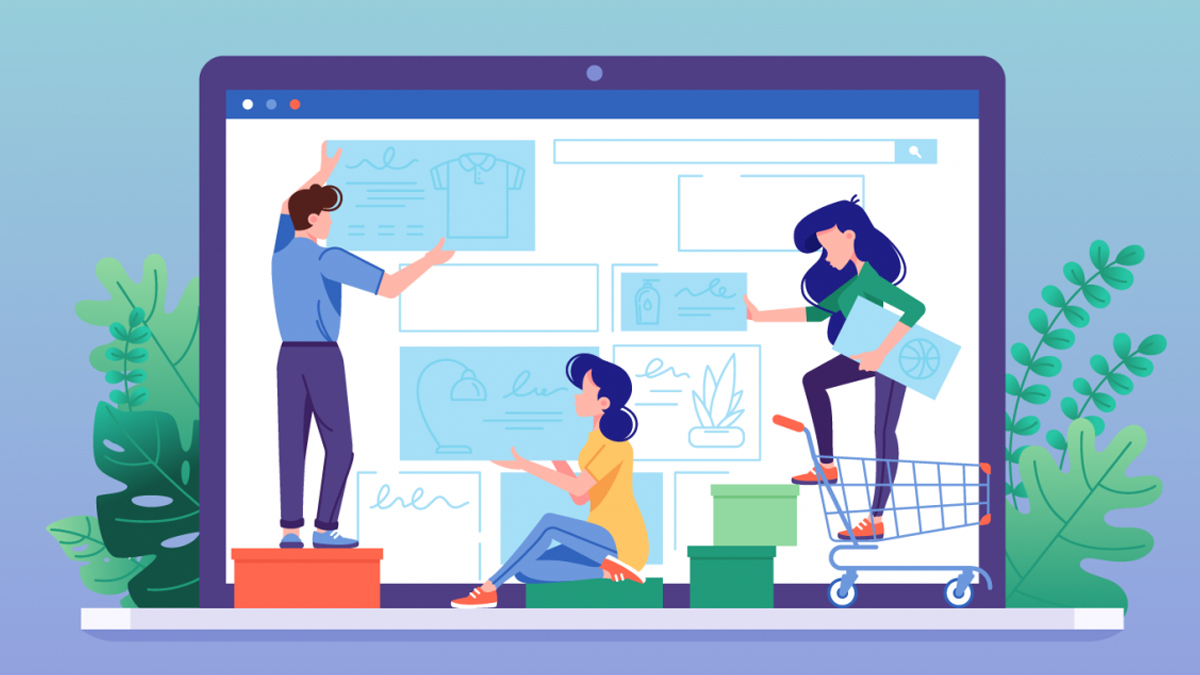

With the evolution of digital transformation tools and e-commerce in 2026, many entrepreneurs and startups wonder about the fundamental difference between a Company Website and an E-commerce Store, and which represents the optimal choice to achieve their business goals.
What is the Main Difference Between a Website and an E-Commerce Store?
Although an e-commerce store is considered a specialized type of website, there are core differences in objective, functionality, and how visitors interact with the platform:
- Website: Primarily aims to build brand identity, introduce the company, showcase professional services, and publish educational or news content. It typically does not include direct payment gateways or a shopping cart.
- E-commerce Store: Specifically designed to execute online buy-and-sell transactions. It features product catalogs, shopping carts, multiple online payment gateways, and inventory/sales management systems.
Quick Comparison Table: Website vs. E-Commerce Store
To better clarify the distinction, here are the primary differences between both options:
- Main Objective: Website presents services and corporate identity / E-commerce store enables direct sales and revenue generation.
- Payment Gateways: Website has no online payment or limits to quote request forms / E-commerce store integrates multiple online payment gateways (Mada, Visa, Apple Pay, etc.).
- Product & Inventory Management: Website displays static service lists or product showcases / E-commerce store tracks stock, quantities, size, and color options in real time.
- User Experience: Website is built for browsing content and contact / E-commerce store allows browsing, adding to cart, and one-click checkout.
Which Option is Best for Your Business in 2026?
Choose a Website if your business aims to:
- Provide consulting services, professional solutions, or B2B contracts requiring direct communication.
- Build an official corporate digital presence and display a portfolio.
- Generate prospective leads (Lead Generation) and book appointments.
Choose an E-Commerce Store if your business aims to:
- Sell tangible products (clothing, electronics, perfumes) or digital products (e-books, online courses).
- Automate sales and fulfillment processes without needing manual communication for every order.
- Expand across local and regional markets to increase round-the-clock sales volume.
The Hybrid Model: The Ideal Solution in 2026
In modern digital marketing strategies, there is no conflict between the two concepts. A successful online store needs an educational blog to attract organic traffic via search engines (SEO), while a corporate website can easily integrate a sales module. Defining your business goals clearly is the driver that guides your choice toward the right solution.