Blog

  • Best Digital Marketing Tools for 2026

    Best Digital Marketing Tools for 2026

    Best Digital Marketing Tools for 2026

    In 2026, a wide range of powerful digital marketing tools are available to help businesses reach their target audiences, generate leads, and achieve measurable results.

    1. Social Media Management Tools

    • Hootsuite / Buffer: Manage all social publishing, schedule posts, and monitor engagement in one place.
    • Sprout Social: Provides advanced social listening and content publishing capabilities.

    2. Content & Trends Research Tools

    • BuzzSumo: Identifies top‑performing content, discovers trends, and tracks competitor activity.
    • Mention: Monitors brand mentions, tracks industry conversations, and analyzes sentiment.

    3. Affiliate Marketing Platforms

    • Offervault / Impact: Offers a large marketplace of affiliate offers and detailed performance analytics.

    4. CRM & Marketing Automation

    • HubSpot: All‑in‑one inbound marketing, email automation, and lead nurturing solution.
    • Meta Audience Insights & Google Analytics 4: Provides deep audience insights and performance metrics for data‑driven decisions.

    5. AI Content Generation

    • ChatGPT / Claude / Jasper: Generates high‑quality marketing copy, brainstorms ideas, and automates content creation.

    Conclusion

    Selecting the right combination of tools empowers your marketing team to work efficiently, optimize campaigns, and drive growth in 2026.

  • Modern Workplace Strategies for Hybrid Work & Top Digital Collaboration Tools in 2026

    Modern Workplace Strategies for Hybrid Work & Top Digital Collaboration Tools in 2026

    Modern Workplace Strategies (Hybrid & Remote Work) and Essential Tech Tools in 2026

    The global work environment has evolved from emergency remote work setups to a sustainable model centered on hybrid work flexibility in 2026. Corporate studies show that organizations implementing flexible digital workplace models backed by AI technologies experience over 35% higher employee productivity and job satisfaction.

    Core Pillars of a Successful Digital Workplace in 2026

    To maintain business continuity and employee performance in the modern era, organizations must focus on key strategic pillars:

    • Value-Based Performance Evaluation: Shifting focus toward output and work quality rather than tracking office presence or logged hours.
    • Promoting Asynchronous Communication: Enabling employees to complete tasks and collaborate via structured documentation and project management platforms without endless meetings.
    • Securing Data & Digital Assets: Implementing robust cybersecurity frameworks like Zero Trust Architecture and cloud data protection.
    • Mental Health Support & Preventing Digital Burnout: Encouraging healthy work-life balance to mitigate employee burnout and fatigue.

    Top Technology Tools for Managing Teams, Hiring, & Events in 2026

    Modern enterprises leverage an integrated software ecosystem to streamline collaboration and automate workflows:

    1. Project Management & Instant Collaboration Tools

    • Slack & Microsoft Teams: Leading platforms for real-time team chat, channel organization, and video conferencing.
    • Notion & ClickUp: Task management, documentation hubs, and interactive project roadmaps built into unified workspaces.
    • Miro & Figma: Interactive visual whiteboards for diagramming, design collaboration, and strategic brainstorming.

    2. Global Remote Hiring & Talent Acquisition

    • LinkedIn Recruiter: The primary professional platform for sourcing skilled global talent and reaching candidates directly.
    • AI Screening & Assessment Tools (TestGorilla & Evalufy): Automated video interviews, skill testing, and technical candidate screening.
    • Deel & Remote: Global HR platforms handling international employment contracts, compliant payroll, and localized legal adherence.

    3. Virtual Event Platforms & Online Expos

    Virtual conferences and training events have evolved to offer immersive 3D experiences and hybrid interaction via platforms like vFairs and Hopin, enabling seamless global networking with clients and partners at lower cost and higher efficiency.

    Summary

    Building a resilient, flexible digital workplace equipped with modern technology is no longer optional—it is the core foundation for attracting top talent and sustaining business growth and innovation in 2026 and beyond.

  • How to Maintain a Healthy Work Environment Amid the COVID-19 Pandemic, and the Most Important Tech Tools

    How to Maintain a Healthy Work Environment Amid the COVID-19 Pandemic, and the Most Important Tech Tools

    How to Maintain a Healthy Work Environment Amid the COVID-19 Pandemic

    Hybrid work models and remote collaboration are reshaping the workplace in 2026. Companies must adapt by focusing on employee wellbeing, flexible schedules, and robust digital infrastructure.

    Key Tools for Effective Management

    • Project Management Platforms (e.g., Asana, Trello): Streamline tasks, deadlines, and team communication.
    • Collaboration Suites (e.g., Microsoft Teams, Slack): Enable real‑time messaging, file sharing, and virtual meetings.
    • HR & Wellness Solutions (e.g., BambooHR, Wellable): Track employee health, engagement, and remote work policies.

    Conclusion

    Maintaining a healthy work environment requires a blend of flexible policies, supportive tools, and continuous monitoring to ensure productivity and employee satisfaction in 2026.

  • How to Implement Practical Market Positioning for Your Business in 2026

    How to Implement Practical Market Positioning for Your Business in 2026

    Practical Guide to Implementing Market Positioning in Your Business for 2026

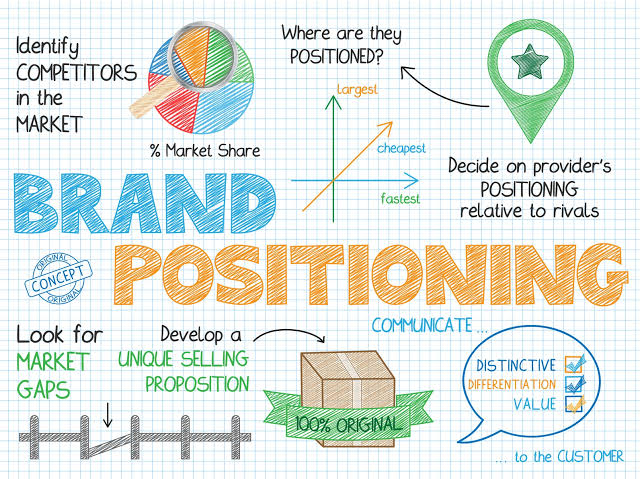
    In the hyper-competitive marketplace of 2026, offering a great product or service is no longer enough. The true key to business dominance lies in Market Positioning (Brand Positioning)—the distinct mental space your brand occupies in the minds of target customers relative to competitors.

    Actionable Steps to Execute Market Positioning in Your Business

    To establish a clear and defensible market position for your company, follow these four strategic steps:

    1. Conduct In-Depth Market Research

    Study the current market landscape and analyze the unmet needs of your target audience while examining direct and indirect competitors to identify their strengths and vulnerabilities.

    2. Define Your Unique Value Proposition (UVP)

    Identify the core differentiator that makes your business stand out: Is it lightning-fast delivery? Uncompromising quality? AI-powered technical innovation? Or hyper-personalized customer care?

    3. Craft a Clear Positioning Statement

    Draft an internal strategic statement defining: “Who is your target audience? What specific problem do you solve? How do you solve it differently? And why should customers trust you?”

    4. Develop Brand Slogans and External Messaging

    Translate your internal positioning statement into customer-facing slogans and marketing messages that communicate brand value consistently across all touchpoints.

    Global Examples of Powerful Mental Positioning

    • Apple: Positioned around “Innovation, Simplicity, and Premium Design”—representing a lifestyle, not just consumer electronics.
    • Tesla: Positioned as the pioneer in sustainable technology, autonomous driving, and electric mobility.
    • Mercedes-Benz: Positioned around “Prestige, Engineering Excellence, and Status” (It’s more than just a car, it’s a statement).
    • Google: Positioned as the synonym for search and universal knowledge, to the extent that the brand became an everyday verb (“Google it”).

    When Is it Time to Reposition Your Brand?

    Your business may need strategic repositioning in 2026 under specific circumstances:

    • New competitors enter the market and copy your current unique value proposition.
    • Shift in consumer behavior, expectations, or generational preferences.
    • Expansion of your product line to target new market segments or geographic territories.

    Summary

    Market positioning is not a fleeting advertising campaign—it is an enduring brand promise delivered consistently across product quality, marketing messaging, and customer service.

  • How to Apply Positioning Practically in Your Company

    How to Apply Positioning Practically in Your Company

    How to Apply Positioning Practically in Your Company

    Implement positioning as a strategic framework within your business. Define your target market, unique value proposition, and brand messaging. Below are examples of how leading brands position themselves:

    • Apple: Emphasizes design, innovation, and premium branding that appeals to a discerning customer base.
    • Mercedes-Benz: Highlights heritage, luxury, and engineering excellence, targeting affluent consumers.
    • Google: Focuses on accessibility, user-friendly technology, and providing valuable information worldwide.

    Repositioning Example in 2026

    Market dynamics may evolve, requiring a fresh repositioning strategy to stay relevant.

    • Introduce new features to meet emerging consumer needs.
    • Expand your product line or offer innovative services.
    • Adjust pricing and distribution to align with market trends in 2026.

    Conclusion

    Remember that positioning is a vital component of your brand strategy. It helps differentiate your brand, attract customers, and drive business success.

  • What Is a SWOT Analysis? Comprehensive Guide to Strategic Planning in 2026

    What Is a SWOT Analysis? Comprehensive Guide to Strategic Planning in 2026

    Comprehensive Guide to SWOT Analysis & Strategic Planning in 2026

    SWOT Analysis remains the golden standard tool and foundational pillar for strategic planning across established businesses and startups in 2026. This framework helps evaluate your current operational positioning, explore promising growth avenues, and fortify your organization against future market risks.

    The Four Components of a SWOT Analysis

    The SWOT framework evaluates four internal and external dimensions governing your business environment:

    1. Strengths (Internal Factors)

    Internal competencies and competitive advantages that set your organization apart from competitors—such as a highly skilled workforce, proprietary technology, strong brand reputation, or substantial marketing budget.

    2. Weaknesses (Internal Factors)

    Internal operational gaps and areas requiring improvement to prevent performance bottlenecks—such as lack of specialized technical skills, weak digital presence, or outdated infrastructure.

    3. Opportunities (External Factors)

    Positive external market trends and shifts that can be leveraged to drive growth and profitability—such as rising demand for AI solutions, emerging geographic markets, or favorable regulatory changes.

    4. Threats (External Factors)

    External challenges and market risks that could negatively impact corporate stability or sales performance—such as aggressive low-cost competitors, economic inflation, or rapid technological disruption.

    Practical Case Study: Applying SWOT Analysis to an EdTech Platform in 2026

    Suppose you are launching a digital learning platform specializing in modern technical and managerial skills:

    • Strengths: Interactive AI-driven course delivery, fast and user-friendly LMS platform, and competitive pricing relative to traditional institutes.
    • Weaknesses: Brand is brand-new in the market, with a temporary shortage of well-known instructors. (Solution: Partner with industry experts and offer certified credentials).
    • Opportunities: Growing demand among university graduates for career reskilling and expanding adoption of adaptive online learning.
    • Threats: Intense competition from free global platforms and open courseware. (Solution: Focus on hands-on practical projects and offer direct career placement support).

    Turning Analysis Into Strategy: The TOWS Matrix

    Don’t leave your analysis on paper! Combine SWOT elements to formulate actionable TOWS strategies:

    • Strength-Opportunity (SO) Strategy: Leverage internal strengths to capitalize on external market opportunities.
    • Weakness-Opportunity (WO) Strategy: Utilize external opportunities to overcome internal weaknesses.
    • Strength-Threat (ST) Strategy: Deploy internal strengths to neutralize external market threats.
    • Weakness-Threat (WT) Strategy: Establish defensive measures to minimize internal vulnerabilities and avoid critical threats.

    Summary

    A SWOT analysis is not a one-time exercise—it is a continuous strategic review process that ensures business agility and long-term market leadership in 2026 and beyond.

  • What is a SWOT Analysis?

    What is a SWOT Analysis?

    What is a SWOT Analysis?

    Conduct a SWOT analysis for 2026. It is an internal strategic analysis aimed at achieving goals. Conduct this analysis systematically and comprehensively, including the strategic aspects of the analysis.

    Conclusion

    SWOT analysis for 2026 is a strategic tool to reach the business objectives successfully. Implement this analysis, continue monitoring, and evaluate the results continuously.

    How to turn a SWOT analysis into a TOWS matrix?

    Do not stop the analysis when a single factor is missing; you must incorporate it into the TOWS matrix for strategic planning:

    • Strength-Opportunity Strategies (SO): maximize internal strengths to seize opportunities.
    • Weakness-Opportunity Strategies (WO): address internal weaknesses to exploit opportunities.
    • Strength-Threat Strategies (ST): use strengths to counteract threats.
    • Weakness-Threat Strategies (WT): mitigate weaknesses to avoid threats.

    Summary

    SWOT analysis for 2026 is a strategic tool that directs your business towards achieving goals. By conducting this analysis systematically and comprehensively, you gain insights into strengths, weaknesses, opportunities, and threats.

  • What Is Meta Pixel? Complete Guide to Meta Pixel and Conversions API (CAPI) in 2026

    What Is Meta Pixel? Complete Guide to Meta Pixel and Conversions API (CAPI) in 2026

    Comprehensive Guide to Meta Pixel and Conversions API (CAPI) in 2026

    Meta Pixel—formerly known as Facebook Pixel—remains one of the most essential technical tools in digital advertising and e-commerce. In 2026, amid privacy regulations and browser tracking restrictions, tracking technology has evolved to combine traditional browser pixels with the server-side Conversions API (CAPI) to ensure accurate ad performance measurement.

    What Is Meta Pixel and How Does It Work?

    Meta Pixel is a JavaScript code snippet embedded in the header of your website. The pixel monitors visitor interactions and actions on your site (such as viewing a product, adding an item to cart, or completing checkout) and transmits this behavioral data to your Meta Ads Manager account.

    Why Conversions API (CAPI) Is Essential Alongside Meta Pixel in 2026

    With the phase-out of third-party cookies, ad blockers, and mobile privacy controls, browser-based pixel tracking alone can miss crucial event data. Integrating Conversions API (CAPI) streams conversion events directly from your web server to Meta’s servers, ensuring:

    • Higher Conversion Tracking Accuracy: Recovers missing data blocked by browser privacy controls or ad blockers.
    • Improved Ad Performance & ROAS: Feeds Meta’s AI algorithms complete event data to optimize ad delivery for high-intent buyers.
    • Enhanced Customer Match Quality: Increases the match rate between website purchase events and Meta user profiles.

    Key Business Benefits of Implementing Meta Pixel & CAPI

    • Smart Retargeting Campaigns: Serve customized ads to users who visited specific product pages without purchasing.
    • Custom & Lookalike Audience Building: Create high-converting ad audiences that mirror the characteristics of your best existing customers.
    • Conversion Optimization: Direct ad spend toward users with the highest probability of completing desired actions (purchases, sign-ups, leads).
    • Accurate Performance Attribution: Measure exact cost-per-acquisition metrics and true Return on Ad Spend.

    Step-by-Step Meta Pixel & CAPI Setup

    1. Navigate to Meta Events Manager within your Meta Business Manager account.
    2. Click Connect Data Sources, select Web, and name your pixel.
    3. Select setup method: Choose Conversions API and Meta Pixel for full tracking accuracy.
    4. Install the tracking code: Connect via partner integrations (WordPress / WooCommerce, Shopify, Google Tag Manager) or embed the code manually between the <head> and </head> tags.
    5. Verify installation using the Test Events tool to confirm live pixel and CAPI signals.

    Summary

    Setting up Meta Pixel alongside Conversions API is the essential first step for running profitable Meta ad campaigns in 2026, guaranteeing data precision and maximizing return on marketing investment.

  • What is Meta (Facebook) Pixel Code & How Does It Work in 2026?

    What is Meta (Facebook) Pixel Code & How Does It Work in 2026?

    What is Meta (Facebook) Pixel & How Does It Work in 2026?

    Meta (Facebook) Pixel is a small piece of tracking code installed on your website or online store to track visitor actions and behaviors. The pixel logs user interactions and events, such as viewing a product page, adding a product to the cart, or completing a purchase.

    With modern privacy restrictions and the deprecation of third-party cookies, Meta Pixel evolved in 2026 to operate hand-in-hand with Conversions API (CAPI) to ensure tracking accuracy and data completeness.

    Why is Meta Pixel + CAPI an Absolute Necessity for Your Ad Campaigns?

    • Precise Retargeting: Deliver customized ads to individuals who visited your store or abandoned items in their cart without completing a purchase.
    • Conversion Optimization: Direct your ads toward users most likely to take a specific action (such as purchasing or registering).
    • Lookalike Audiences: Help Meta’s algorithms discover new users who mirror the behavior of your best existing customers.
    • Measuring Ad ROAS: Identify exactly which ads and campaigns generate genuine sales and which require adjustments.

    Core Standard Events in Meta Pixel

    The pixel and CAPI server track a essential set of standard events, most notably:

    • PageView: Visiting any page on the website.
    • ViewContent: Viewing specific content or product pages.
    • AddToCart: Adding a product to the shopping cart.
    • InitiateCheckout: Starting the checkout process.
    • Purchase: Successfully completing a sale and payment.
    • Lead: Capturing prospective customer info (contact form or subscription).

    How to Install and Activate Meta Pixel & CAPI in Simple Steps

    1. Create the Pixel in Events Manager

    From your Meta Ads account, navigate to Events Manager, select Connect Data Sources, choose Web, and name your pixel.

    2. Partner Integration Installation

    If you use platforms like Shopify, WooCommerce, WordPress, Salla, or Zid, you can connect automatically with a single click without touching code.

    3. Activate Dual Connection with Conversions API (CAPI)

    To prevent data loss from ad blockers or browser restrictions, enable CAPI to send server-side data directly from your server to Meta servers simultaneously with the pixel.

    4. Test Events & Verify Event Match Quality (EMQ)

    Use the Test Events tool inside Events Manager to verify data transmission and matching, ensuring a high Event Match Quality (EMQ) score for maximum ad efficiency.

    Conclusion

    Meta Pixel and Conversions API are the eyes through which your ads navigate to success in 2026. Activating them correctly guarantees lower advertising costs and tangibly higher store profits.

  • Snapchat for Business: The Ultimate Guide to Digital Marketing and Snapchat Ads

    Snapchat for Business: The Ultimate Guide to Digital Marketing and Snapchat Ads

    Snapchat for Business: The Ultimate Guide to Digital Marketing and Advertising in 2026

    Snapchat stands out as one of the most influential and fastest-growing digital platforms across the Arab region and Gulf countries in 2026. Thanks to its massive youth audience and the high purchasing power of its users, Snapchat has become an essential marketing channel for any company or e-commerce store aiming to drive sales and build strong brand awareness.

    Why Snapchat Marketing Matters for Businesses in 2026

    • Exceptional Dominance in the GCC Market: Snapchat records the highest daily engagement rates in countries like Saudi Arabia, the UAE, and Kuwait compared to any other platform.
    • Superiority of Fast Vertical Video: The platform’s audience favors short vertical videos and interactive shopping experiences.
    • Augmented Reality Tools (AR Lenses & Filters): Enable businesses to offer virtual product try-ons (such as eyewear, cosmetics, and apparel) prior to purchase.

    Types and Formats of Snapchat Ads

    Snap Ads Manager offers several advertising formats tailored to various marketing objectives:

    • Single Image or Video Ads: Appear between User Stories or Discover content and offer a Swipe Up option to direct users to a website or initiate a call.
    • Collection Ads: Display a showcase of products beneath a main video, enabling instant purchases within the app.
    • Story Ads: Displayed in the Explore or Discover sections, consisting of a series of Snaps presenting your product or service through engaging storytelling.
    • Dynamic Ads: Automatically connect your product catalog to retarget store visitors with products they previously viewed.
    • AR Lenses & Filters: Interactive experiences allowing users to capture photos and videos featuring your branded filters and share them with friends.

    Strategies to Boost Sales and Engagement via Snapchat in 2026

    1. Create a Public Profile for Business: Establish your company’s official presence, post daily stories, and showcase products directly on your profile shop.
    2. Leverage Snapchat Spotlight: Publish captivating short-form video clips designed to achieve rapid viral organic reach.
    3. Implement Snap Pixel and Conversions API: Track e-commerce conversions to improve ad targeting accuracy and maximize Return on Ad Spend (ROAS).
    4. Use Direct Call-to-Action (CTA) Prompts: Enable Swipe Up to Call or Swipe Up to Text features so potential customers can directly contact your sales team.

    Conclusion

    Capitalizing on Snapchat’s business capabilities in 2026 guarantees direct access to a dynamic, highly engaged audience and secures sustainable sales growth through innovative marketing strategies.