Blog

  • What Is SWOT Analysis and How to Apply It to Improve Your Company’s Performance

    What Is SWOT Analysis and How to Apply It to Improve Your Company’s Performance

    What Is SWOT Analysis and Its Evolution in 2026?

    SWOT analysis (Strengths, Weaknesses, Opportunities, and Threats) stands as one of the most critical strategic pillars in business management. With rapid technological transformations and the deep integration of Artificial Intelligence in 2026, SWOT analysis has evolved from a static annual exercise into a dynamic, continuous process driven by predictive analytics and real-time data for making well-informed strategic decisions.

    The Four Components of AI-Powered SWOT Analysis

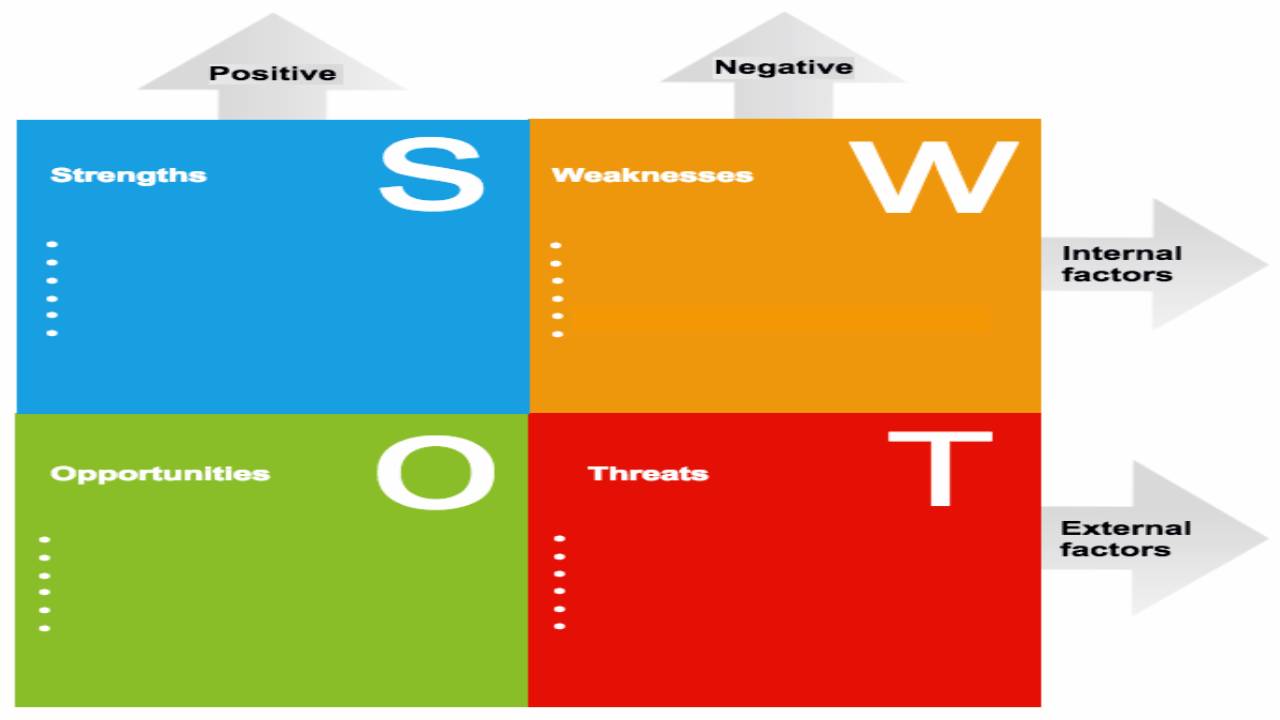
    SWOT analysis consists of four core elements that help organizations accurately assess their competitive positioning:

    1. Strengths

    Internal advantages and core competencies that grant your business a competitive edge, such as skilled human capital, proprietary technology, strong brand reputation, and high customer loyalty.

    2. Weaknesses

    Internal obstacles that constrain company growth and demand urgent improvement, such as lagging digital infrastructure, slow response to market shifts, funding gaps, or ineffective marketing strategies.

    3. Opportunities

    External factors and emerging 2026 market trends that can be capitalized on for expansion, including tapping into new digital marketplaces, adopting AI tools for personalized customer experiences, or filling gaps left by competitors.

    4. Threats

    External risks and macro challenges that could adversely affect company stability, such as shifting regulatory policies, aggressive market competition, changing consumer behaviors, and macroeconomic inflation.

    Actionable Steps to Apply SWOT Analysis for Business Growth Today

    To successfully implement SWOT analysis in today’s business environment, follow these strategic steps:

    • Gather Precise Data: Rely on big data analytics and market monitoring tools rather than subjective assumptions.
    • Engage Cross-Functional Teams: Conduct collaborative brainstorming sessions involving marketing, sales, operations, and customer support for a holistic perspective.
    • Formulate a TOWS Matrix Strategy: Pair internal strengths with external opportunities to drive growth, and leverage strengths to mitigate external threats.
    • Prioritize Action Items and Execution Plans: Convert analysis findings into clear objectives, actionable roadmaps, and measurable Key Performance Indicators (KPIs).

    Expert tip from Marketing Dot Limited: SWOT analysis is not a one-off task. It should be regularly reviewed and updated to align with dynamic market conditions and capitalize on high-value opportunities.

    Conclusion

    SWOT analysis remains an indispensable strategic framework for any company aiming to build a sustainable competitive advantage and achieve its 2026 business goals. Start evaluating your organization today to navigate future challenges with confidence.


  • How to Optimize Snapchat Marketing Campaigns to Engage Audiences

    How to Optimize Snapchat Marketing Campaigns to Engage Audiences

    The Strategic Importance of Snapchat Marketing in 2026

    Snapchat continues to reinforce its standing as one of the most impactful marketing channels, particularly across the Arabian Gulf region and the Middle East. With smart platform updates and fifth- and sixth-generation Augmented Reality (AR) advancements in 2026, Snapchat ad campaigns have become an essential tool for reaching Gen Z, acquiring new consumers, and maximizing return on ad spend (ROAS).

    Strategies to Optimize Snapchat Ads Campaigns for Maximum Results

    1. Leverage Advanced Augmented Reality (AR) Lenses

    Snapchat lenses are no longer just for entertainment; they have evolved into interactive shopping experiences that allow users to virtually try on products—such as apparel, eyewear, and cosmetics—prior to purchasing, dramatically driving conversion rates.

    2. Optimize Tailored Content for Snapchat Spotlight

    Vertical short-form videos capture audience attention rapidly. Design fast-paced, engaging videos that convey a clear message within the first 3 seconds, paired with a compelling call to action (CTA).

    3. Smart Targeting and Data Precision with Snap Pixel

    Implementing the latest Snap Pixel ensures precise tracking of website visitors and enables Lookalike Audiences, increasing targeting efficiency while lowering customer acquisition costs (CPA).

    Best Snapchat Ad Formats and Their Strategic Applications

    • Single Image or Video Ads: Full-screen ad placements ideal for driving brand awareness and compelling users to swipe up.
    • Story Ads: Enable narrative storytelling about your product through a series of interactive, sequential snaps.
    • Collection Ads: Feature product catalogs directly within ads, allowing users to browse and shop with a single tap.
    • Commercials Ads: Non-skippable 6-second video ads designed to maximize brand recall and awareness.

    Connect with the Marketing Dot Limited team to design and manage comprehensive Snapchat marketing campaigns that deliver exceptional business results.

    Bottom Line

    Optimizing Snapchat marketing campaigns requires continuous innovation and regular A/B testing of creative ad concepts. Capitalize on cutting-edge 2026 tech solutions to turn engagement into tangible sales.

  • What Is a Marketing Budget? Complete Guide for Successful Planning

    What Is a Marketing Budget? Complete Guide for Successful Planning

    Introduction: Marketing Budget Concept and Its Importance in 2026

    A marketing budget is a detailed financial plan outlining the funds allocated for all promotional activities, ad campaigns, tools, and tech solutions used by a company to market its products and services over a set timeframe. In 2026, driven by rapid digital transformation, AI adoption, and paid ads, budgeting is no longer a random figure—competition demands strategic financial planning that maximizes digital Return on Investment (ROI).

    In this comprehensive guide from Marketing Limited, you will learn how to build and plan a successful marketing budget that guarantees sustainable growth and profitability for your company.

    Why Does Your Business Need a Precisely Defined Marketing Budget?

    Planning a marketing budget gives your organization the following advantages:

    • Expense Control and Waste Prevention: Ensuring every dollar is directed toward the most profitable channels.
    • Measuring Return on Investment (ROI & ROAS): Accurately tracking Customer Acquisition Cost (CAC) compared to Customer Lifetime Value (LTV).
    • Prioritizing Effective Channels: Focusing on channels that yield real results rather than dispersing efforts.
    • Managing Future Growth & Scaling: Building clear marketing plans aligned with your company’s overall financial goals.

    Most Popular Marketing Budgeting Methods for 2026

    1. Percentage of Revenue Method

    Companies typically allocate 5% to 12% of total revenue to marketing. Startups in 2026 tend to allocate higher percentages, up to 20%, to aggressively establish their presence and capture market share quickly.

    2. Objective and Task Method

    Considered the most accurate and logical approach in 2026; marketing goals are set first (e.g., acquiring 1,000 new leads), and then direct costs required to achieve each goal are calculated to form the total budget.

    3. Competitive Parity Method

    Based on analyzing competitors’ spending in the market and allocating a similar budget to maintain market share and prevent falling behind rivals.

    How to Allocate a Marketing Budget Across Digital Channels in 2026

    Smart budget distribution requires a strategic balance between immediate performance channels and long-term assets:

    • Paid Advertising (Paid Ads): Allocate (30-40%) to direct ad campaigns on Google Ads, Meta Ads, and TikTok Ads to generate fast sales.
    • Content & Search Engine Optimization (Content & SEO): Allocate (20-25%) to building digital assets and ranking organically in search engines over time.
    • Software & AI Tools (AI & MarTech Tools): Allocate (10-15%) for analytics subscriptions, marketing automation, and AI tools.
    • Influencer Marketing & Digital PR: Allocate (15-20%) to build brand trust and awareness.

    Golden Tips for Managing Your Marketing Budget Successfully

    The team at Marketing Limited recommends keeping an emergency contingency reserve (5% to 10%) to capitalize on sudden marketing opportunities or accommodate unexpected ad price shifts, alongside weekly campaign performance reviews to reallocate budget to top-performing ads.

    Conclusion

    A successful marketing budget is not just an expense; it is a smart investment driving your business growth and expansion. By adopting modern planning methods and allocating resources precisely in 2026, you will achieve maximum financial returns and ensure long-term corporate success.

  • Importance of a Marketing Plan: Strategies & Tips for Success

    Importance of a Marketing Plan: Strategies & Tips for Success

    Introduction: What Is a Marketing Plan and Why Is It Your Business Roadmap in 2026?

    A marketing plan is the comprehensive executive document mapping out strategic pathways and actionable steps to achieve commercial goals for any business. In 2026, amid intense digital competition and shifting consumer behaviors, an organized marketing plan makes the difference between a business growing steadily and one wasting resources on uncalculated trials.

    In this strategic guide from Marketing Limited, we highlight the importance of a marketing plan and the core components required to build one according to top 2026 strategic standards.

    Importance of Having a Solid Marketing Plan for Your Site or Project

    A marketing plan provides clear vision and numerous strategic benefits, including:

    • Setting Direction and Future Vision: Establishing a clear roadmap and preventing scattered efforts in campaigns that do not serve master goals.
    • Optimal Resource & Budget Utilization: Directing financial and human resources toward the most profitable channels and initiatives.
    • Deep Market and Audience Insights: Relying on real data and deep analysis of competitor and customer behavior.
    • Agility and Adaptability: Ease of modifying strategies as soon as market trends or platform algorithms change.

    Core Elements of Building an Integrated Marketing Plan for 2026

    1. Market & SWOT Analysis

    Analyzing internal and external business environments to identify Strengths, Weaknesses, Opportunities, and Threats in the market.

    2. Crafting SMART Goals

    Marketing goals must be Specific, Measurable, Achievable, Relevant, and Time-bound (e.g., “Increasing sales revenue by 30% during Q3 2026”).

    3. Defining Target Audience and Value Proposition

    Creating an accurate Buyer Persona and framing marketing messaging that highlights the unique value clients receive compared to competitors.

    4. Channel Selection & Marketing Mix (Omnichannel Strategy)

    Identifying the most suitable channels to reach your audience (whether via SEO, social media networks, email marketing, or paid advertising).

    5. Tracking Key Performance Indicators (KPIs) & Evaluation

    Continuously monitoring success metrics such as traffic volume, conversion rates (CRO), customer acquisition cost (CAC), and sales growth to adjust execution steps proactively.

    Proven Tips to Ensure Marketing Plan Success

    Marketing Limited advises keeping your marketing plan flexible and constantly updated. Do not leave the plan locked in a drawer; make it a weekly and monthly reference for your team, and utilize advanced analytics tools like Google Analytics 4 to review metrics and adjust course swiftly.

    Conclusion

    Preparing a successful marketing plan is the primary step toward entrepreneurial success in 2026. By committing to thorough analysis, clear goal setting, and continuous campaign tracking, you ensure market leadership and excellence for your business.

  • What is Personal Branding? Effective Strategies to Build Your Professional Brand

    What is Personal Branding? Effective Strategies to Build Your Professional Brand

    Introduction: Personal Branding & Marketing Concepts in 2026

    In the era of artificial intelligence and digital automation in 2026, personal authenticity and trust have become the most valuable currency in business and the career market. Personal Branding / Marketing refers to the process of showcasing and marketing your skills, experience, and unique values professionally to create an outstanding digital reputation and position yourself as the premier choice in your field.

    Whether you are an entrepreneur, consultant, or professional striving for career growth, building a personal brand in 2026 is no longer a luxury—it is an essential requirement for solidifying leadership and fostering sustainable business relationships. In this guide from Marketing.Limited, you will discover the most effective strategies for building and marketing your professional persona.

    Why Everyone Needs Personal Branding in 2026

    Developing a personal brand yields crucial advantages, including:

    • Building Trust and Credibility (E-E-A-T): Clients look for real people behind projects and businesses to engage with confidence.
    • Standing Out From Competitors: Highlighting what makes you unique in your domain amid intense market competition.
    • Attracting Investment and Career Opportunities: Becoming a magnet for top-tier opportunities rather than chasing them conventionally.
    • Increasing the Value of Your Services: Strong personal brand owners command premium rates for their services and consultations.

    Steps and Strategies for Building a Successful Personal Brand in 2026

    1. Defining Identity and Personal Positioning

    Start by identifying your passion and area of expertise. Ask yourself: What core problem can I solve for others better than anyone else? What values and mission do I want my name associated with?

    2. Professional and Unified Digital Presence

    Optimize your profiles across professional social channels, led by LinkedIn and X. Ensure you use a professional profile picture and craft a clear bio reflecting your value and audience offering.

    3. Delivering Value-Driven, Storytelling Content

    Share your real-world experiences, lessons learned, and daily work challenges. Audiences favor authentic content conveying practical insights over dry theoretical advice.

    4. Consistency and Active Community Engagement

    Building personal reputation is a cumulative effort requiring consistent posting, answering follower comments, and forging strong networks with industry leaders.

    Mistakes to Avoid in Personal Branding

    • Pretense and Inauthenticity: Trying to imitate other personalities instead of showcasing your authentic self.
    • Neglecting Value for Self-Boasting: Turning content into a mere showcase of achievements without offering real benefits to followers.
    • Inconsistency and Irregularity: Posting intensely for a brief period then disappearing completely for months.

    Conclusion

    Personal marketing is an investment in your most valuable asset: your name and professional reputation. By remaining transparent, delivering genuine value, and harnessing 2026 digital tools, you can build a respected professional brand that secures long-term career growth.

  • On-Page and Off-Page SEO Secrets for Long-Term Website Success

    On-Page and Off-Page SEO Secrets for Long-Term Website Success

    Introduction: Holistic On-Page & Off-Page SEO Concept in 2026

    In the world of Search Engine Optimization (SEO) in 2026, relying on a single factor while neglecting others is no longer effective. Sustainable success and top search rankings require a seamless balance between On-Page SEO and Off-Page SEO. On-Page SEO builds your site structure and content on strong, user-centric foundations, whereas Off-Page SEO establishes your website’s authority and trust in the eyes of search engines and audiences alike.

    In this detailed, updated 2026 guide from Marketing.Limited, you will discover key secrets and best practices for On-Page and Off-Page SEO to secure top search rankings long term.

    Pillars and Secrets of On-Page SEO in 2026

    On-Page SEO encompasses every factor you can optimize directly within your website:

    1. Applying E-E-A-T Standards and User Satisfaction

    Search engines prioritize content demonstrating Experience, Expertise, Authoritativeness, and Trustworthiness (E-E-A-T). Ensure you feature author credentials, reputable sources, and precise, updated information.

    2. Topic Clusters and Internal Linking Architecture

    Organize site content into topic clusters, linking sub-articles to a comprehensive pillar page via intelligent internal links. This guides users and search engine bots through complete topic coverage.

    3. Schema Markup and Structured Data

    Schema markup provides rich context to search engines, elevating your content in featured snippets and AI generative answer boxes.

    4. Optimizing Speed and Performance (Core Web Vitals – INP)

    2026 search standards demand fast responsiveness (Interaction to Next Paint – INP) and lightning page loads, keeping bounce rates low and improving organic rankings naturally.

    Off-Page SEO Secrets for Authority and Trust

    Off-Page SEO focuses on boosting your brand’s digital reputation and domain authority through external channels:

    1. High-Quality Backlink Building

    In 2026, link quality far outweighs link quantity. A single backlink from an authoritative, niche-relevant domain easily outperforms hundreds of low-quality links. Focus on high-tier guest posting, media coverage, and digital PR.

    2. Brand Mentions and Citations

    Search engines monitor unlinked brand mentions across news portals and social platforms, reinforcing your entity profile across the digital ecosystem.

    3. Social Signals and Community Engagement

    Promoting your articles across social networks generates immediate referral traffic while inspiring external publications to reference your content as an authoritative source.

    Combining On-Page and Off-Page SEO for Maximum Impact

    For sustainable success, implement both disciplines side-by-side:

    • Step 1: Build a fast site featuring high-quality, fully optimized On-Page content.
    • Step 2: Actively promote content to earn natural, high-authority external backlinks.
    • Step 3: Continuously monitor metrics using tools like Google Search Console and Ahrefs to refresh content and clean harmful links.

    Conclusion

    On-Page and Off-Page SEO are the two wings of your website’s digital growth. By combining internal optimization and content depth with a robust external reputation, you guarantee lasting visibility and competitive dominance in 2026 and beyond.

  • Types of Marketing Content: Comprehensive Guide to Marketing Success

    Types of Marketing Content: Comprehensive Guide to Marketing Success

    Introduction: The Content Marketing Revolution in 2026

    Content marketing is the true engine behind any successful digital strategy. As the classic saying goes: “Content is King”—yet in 2026, interactive, personalized, and AI-aligned content reigns supreme.

    With evolving audience behaviors across diverse digital channels, relying on a single content format is no longer enough. In this comprehensive guide updated for 2026 by Marketing.Limited, we review the most effective types of marketing content and how to build a well-rounded content mix that expands brand awareness and accelerates sales.

    Most Effective Types of Marketing Content for 2026

    1. SEO-Driven Blog Posts and Articles

    Meticulously written articles remain one of the strongest long-term digital assets for attracting organic search traffic from Google. In 2026, focus on offering in-depth answers, implementing E-E-A-T guidelines, and providing practical, direct solutions for readers.

    2. Short-Form Video

    Short videos across Instagram Reels, TikTok, and YouTube Shorts lead user engagement metrics in 2026. Video excels at conveying core value propositions within seconds while establishing fast emotional bonds with audiences.

    3. Interactive Content

    This includes quick quizzes, interactive tools, polls, and interactive infographics. Interactive formats double visitor dwell time and provide valuable insights into customer preferences.

    4. User-Generated Content (UGC)

    Real customer content—such as reviews, unboxing experiences, authentic photos, and creator posts—builds credibility fastest. Consumers trust peer recommendations up to 10 times more than corporate ads.

    5. Case Studies and E-books

    Geared primarily toward B2B decision-makers and prospects seeking tangible proof of performance, case studies present concrete data showcasing past customer success stories.

    6. Podcasts and Audio Content

    Podcasts allow brands to build deep, intimate connections with listeners on the go. Audio sponsorships and expert interview formats reinforce your industry leadership status.

    Steps to Selecting the Right Marketing Content Mix

    To craft an integrated content strategy that delivers maximum ROI, take the following steps:

    • Define Buyer Personas: Understand demographics, interests, and preferred online platforms of your target audience.
    • Set Objectives per Content Format: Determine whether each piece aims for Brand Awareness, Lead Generation, or Sales Closing.
    • Repurpose Content: Transform long-form articles into short video scripts, infographics, and quick social posts.
    • Track Performance Continuously: Monitor engagement and conversion rates per format to double down on winning content.

    Conclusion

    Marketing success in 2026 doesn’t happen by accident; it stems from strategically diversifying your content to satisfy buyers at every stage of their customer journey. Focus on high quality, strive for innovation, and leverage cutting-edge tools to elevate your brand to new heights.

  • What is Google Gemini? Features and Practical Applications

    What is Google Gemini? Features and Practical Applications

    Introduction: The AI Model Redefining Technology in 2026

    Google Gemini is Google’s flagship generative artificial intelligence model. Since its launch and ongoing evolution through 2026, Gemini has driven a major shift in AI development thanks to its native multimodal architecture, enabling it to process text, code, images, audio, and video with unified fluidity and accuracy.

    In this comprehensive guide from Marketing.Limited, we cover what Google Gemini is, its key 2026 editions and capabilities, and how to harness it to boost productivity and elevate marketing workflows.

    Key Editions of the Google Gemini Model Family

    Google developed multiple model variants tailored to diverse computing needs and devices:

    • Gemini Ultra / Pro: The premier model designed for complex analytical tasks, big data processing, and advanced software engineering with context windows exceeding two million tokens.
    • Gemini Flash: A lightweight, highly responsive model optimized for high-speed daily tasks and real-time interaction.
    • Gemini Nano: An efficient, on-device model running locally on mobile phones without internet connectivity, guaranteeing user privacy.

    Top Advanced Features of Google Gemini in 2026

    1. Native Multimodality

    Unlike legacy systems that transcode audio or video into raw text first, Gemini processes full-length videos, audio feeds, and imagery natively with incredible precision.

    2. Seamless Google Workspace Integration

    Gemini connects natively with Google apps like Gmail, Docs, Sheets, Drive, and Google Meet—allowing you to summarize long documents, draft replies, and build data tables with simple text prompts.

    3. Real-Time Multimodal Assistant (Gemini Live)

    In 2026, Gemini Live enables natural voice conversations and real-time visual reasoning via your smartphone camera, offering instant AI advice on what you see.

    4. Advanced Coding and Data Analysis

    Supporting over 20 programming languages, Gemini generates robust code, identifies software bugs, suggests patches, and visualizes complex datasets instantly.

    How to Use Google Gemini for Marketing and Business Growth

    Google Gemini delivers outstanding utility for content creators and marketers in 2026:

    • Keyword Research & Real-Time Trend Analysis: Leverages direct web connectivity with Google Search for up-to-the-minute data.
    • Content Creation & Brainstorming: Drafts ad copies, blog outlines, and short-form video scripts seamlessly.
    • Competitor & Audience Analysis: Analyzes sales reports and user feedback to extract actionable customer behavior insights.

    Conclusion

    Google Gemini marks a new era in human-technology collaboration. With its versatility and deep digital integration, Gemini has become an indispensable companion for professionals seeking to amplify productivity and drive innovation in 2026.

  • Effective Landing Page Optimization Strategies to Boost Lead Generation

    Effective Landing Page Optimization Strategies to Boost Lead Generation

    Introduction: Landing Page Development in the Era of Speed and AI 2026

    A Landing Page is the strategic space where ad campaigns connect with actual conversions. It serves as the targeted destination visitors reach after clicking an advertisement or marketing link, built around one clear goal: converting that visitor into a qualified lead or paying customer.

    With evolving consumer behavior in 2026 and high reliance on lightning-fast mobile browsing, Landing Page Optimization (LPO) has become essential for lowering Customer Acquisition Cost (CAC) and maximizing Return on Ad Spend (ROAS).

    Core Elements of a High-Converting Landing Page

    To achieve top results in converting visitors into prospective leads, your landing page should feature these essential components:

    • Compelling Headline: A clear headline communicating your product or service’s primary benefit within 3 seconds.
    • Unique Value Proposition (UVP): A direct answer to the visitor’s question: “Why should I choose you over competitors?”.
    • High-Quality Visual Assets: Real, interactive photos and videos clearly explaining the product or service.
    • Single Focused CTA: A prominent, focused button that prevents audience distraction.
    • Social Proof & Trust Indicators: Customer reviews, video testimonials, trust badges, and industry certifications.

    Top Landing Page Optimization Strategies for 2026

    1. Mobile-First & Speed Optimization

    In 2026, mobile devices account for over 80% of landing page traffic. Any load delay exceeding two seconds leads to losing more than half your visitors. Compress image files, leverage Content Delivery Networks (CDNs), and streamline code to ensure superior speed.

    2. Frictionless Lead Forms

    Keep contact forms as concise and direct as possible, sticking to basic details like name, phone number, or email. In 2026, One-Click Sign-in technology and AI form assistants increase completion rates by up to 35%.

    3. Dynamic Content Personalization Based on Traffic Sources

    Personalization displays headlines and text matching the specific ad that led the user to the page. This transparency and consistency significantly build trust and boost conversion rates.

    4. Interactive Video and Social Proof

    Short videos explaining service workflows or highlighting customer testimonials build familiarity and confidence, eliminating hesitancy before purchase decisions.

    Best Tools for Landing Page Analysis and Testing

    For ongoing optimization, rely on analytics and user tracking software:

    • Google Analytics 4 & Search Console: To track traffic origins, bounce rates, and conversion metrics.
    • Hotjar & Microsoft Clarity: For heatmaps and session recordings to pinpoint UX friction points.
    • VWO & Unbounce: To conduct A/B testing across multiple page variants and select the highest-performing version.

    Digital Marketing Expert Recommendation

    Marketing.Limited emphasizes that landing page optimization is an ongoing investment. By keeping designs clean, messaging crystal clear, and regularly testing offers, you ensure a higher conversion rate of site visitors into real leads.

    Conclusion

    Building an ideal landing page hinges on blending minimalist design, persuasive content, and seamless user experience. Apply these updated 2026 strategies to transform your landing pages into powerful revenue engines for your business.

  • Importance of Call to Action (CTA) in Marketing: Comprehensive Performance Guide

    Importance of Call to Action (CTA) in Marketing: Comprehensive Performance Guide

    Introduction: What is a Call to Action (CTA) and Why is it the Heart of Digital Marketing in 2026?

    A Call to Action (CTA) is the most critical and sensitive element in any successful marketing strategy. It serves as the bridge between a potential customer browsing content and taking a real action such as making a purchase, subscribing, or requesting a consultation. In 2026, with increasing speed, multiple digital choices, and reliance on artificial intelligence for personalizing user experiences, a Call to Action extends far beyond a simple “Click Here” button into a precise, personalized interactive experience.

    In this comprehensive guide from Marketing.Limited, we dive into the secrets of crafting effective CTAs and methods to optimize them for maximum Conversion Rate Optimization (CRO).

    Why is a Call to Action Crucial to Marketing Campaign Success?

    The power of a CTA lies in clearly guiding the visitor toward the next step, as evidenced by the following benefits:

    • Converting Visitors into Actual Customers (Increasing Conversion Rate): Without a clear CTA, most visitors exit the site without interacting with your offerings.
    • Reducing User Confusion and Distraction: Gives visitors clear, direct guidance that leaves no room for doubt or hesitation.
    • Measuring Campaign and Ad Success: Simplifies tracking click-through rates (CTR) to evaluate offer attractiveness.
    • Enhancing User Experience (UX): Helps visitors find what they are searching for and quickly reach the right solution.

    CTA Types and Best Use Cases in 2026

    CTA phrasing varies based on your objective and the customer’s stage in the buying journey:

    • Direct Conversion & Purchase CTA: Such as “Subscribe Now & Get 20% Off” or “Book Your Free Consultation Today”.
    • Lead Generation CTA: Such as “Download the Free 2026 Guide” or “Access the Services Catalog”.
    • Engagement & Social Sharing CTA: Such as “Share Your Thoughts in the Comments” or “Join Our Telegram Community”.
    • Dynamic Personalised CTA: The latest trend in 2026, where button copy changes dynamically based on visitor location and prior behavior.

    Golden Strategies for Designing and Writing Professional CTAs

    1. Use Clear, Action-Oriented Verbs

    Always start with a direct verb expressing the immediate value the visitor receives upon clicking, such as “Start”, “Get”, “Discover”, or “Download”. Avoid vague or generic phrasing.

    2. Visual Contrast and Optimal Sizing

    A CTA button must stand out visually from the rest of the page. Use high-contrast colors to command attention, and size the button appropriately for effortless clicking, especially on mobile devices.

    3. Create Urgency and Instant Value Proposition

    Adding a sense of urgency paired with tangible value encourages visitors not to delay action, e.g., “Offer valid for the first 50 subscribers” or “Get your instant copy now”.

    4. Strategic Page Placement

    Place the primary CTA prominently above the fold, and seamlessly repeat it mid-article and in the conclusion to ensure easy access while reading.

    Critical Mistakes to Avoid When Creating CTAs

    • Vague Messaging or Option Overload: Confusing visitors with multiple CTAs requesting different actions in the same space.
    • Ignoring Mobile Responsiveness: Using tiny buttons or layouts that don’t scale smoothly on mobile screens.
    • Neglecting A/B Testing: Relying on intuition rather than measuring the performance of different copy and colors using modern analytical tools.

    Conclusion

    The importance of a Call to Action goes far beyond putting a word on a button—it is a complete philosophy built around visual and behavioral customer targeting. By implementing updated 2026 strategies and testing performance continuously, you can multiply your campaign results and grow your business steadily.