

What Is SWOT Analysis and Its Evolution in 2026?
SWOT analysis (Strengths, Weaknesses, Opportunities, and Threats) stands as one of the most critical strategic pillars in business management. With rapid technological transformations and the deep integration of Artificial Intelligence in 2026, SWOT analysis has evolved from a static annual exercise into a dynamic, continuous process driven by predictive analytics and real-time data for making well-informed strategic decisions.
The Four Components of AI-Powered SWOT Analysis
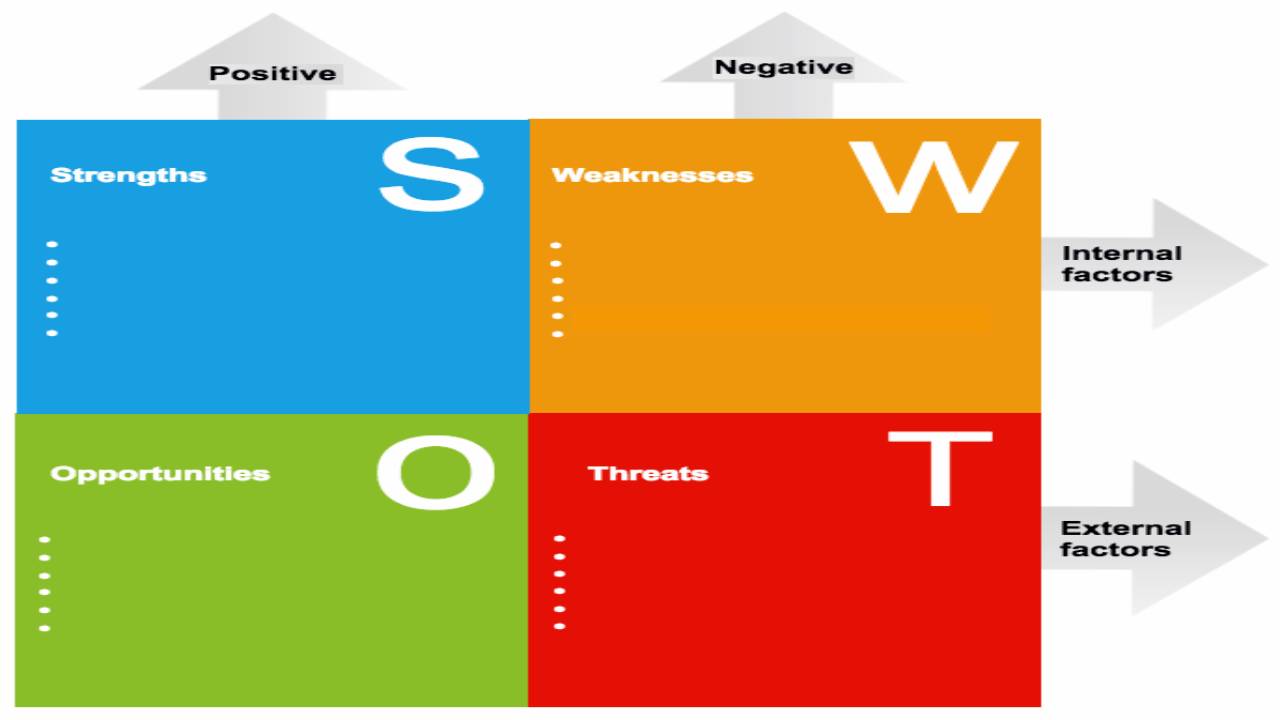
SWOT analysis consists of four core elements that help organizations accurately assess their competitive positioning:
1. Strengths
Internal advantages and core competencies that grant your business a competitive edge, such as skilled human capital, proprietary technology, strong brand reputation, and high customer loyalty.
2. Weaknesses
Internal obstacles that constrain company growth and demand urgent improvement, such as lagging digital infrastructure, slow response to market shifts, funding gaps, or ineffective marketing strategies.
3. Opportunities
External factors and emerging 2026 market trends that can be capitalized on for expansion, including tapping into new digital marketplaces, adopting AI tools for personalized customer experiences, or filling gaps left by competitors.
4. Threats
External risks and macro challenges that could adversely affect company stability, such as shifting regulatory policies, aggressive market competition, changing consumer behaviors, and macroeconomic inflation.
Actionable Steps to Apply SWOT Analysis for Business Growth Today
To successfully implement SWOT analysis in today’s business environment, follow these strategic steps:
- Gather Precise Data: Rely on big data analytics and market monitoring tools rather than subjective assumptions.
- Engage Cross-Functional Teams: Conduct collaborative brainstorming sessions involving marketing, sales, operations, and customer support for a holistic perspective.
- Formulate a TOWS Matrix Strategy: Pair internal strengths with external opportunities to drive growth, and leverage strengths to mitigate external threats.
- Prioritize Action Items and Execution Plans: Convert analysis findings into clear objectives, actionable roadmaps, and measurable Key Performance Indicators (KPIs).
Expert tip from Marketing Dot Limited: SWOT analysis is not a one-off task. It should be regularly reviewed and updated to align with dynamic market conditions and capitalize on high-value opportunities.
Conclusion
SWOT analysis remains an indispensable strategic framework for any company aiming to build a sustainable competitive advantage and achieve its 2026 business goals. Start evaluating your organization today to navigate future challenges with confidence.