Blog

  • Top Restaurant Marketing Strategies for 2026

    Top Restaurant Marketing Strategies for 2026

    In 2026, the restaurant and cafe sector faces intense competition requiring innovative digital marketing strategies to attract new diners and maintain current customer loyalty. Marketing is no longer just about serving a delicious meal; it extends to the complete digital experience—from discovering the restaurant on maps to digital reputation across social platforms.

    Top Restaurant Marketing Strategies in 2026

    1. Local Search Engine Optimization & Google Maps (Local SEO & Google Maps)

    Over 80% of customers search for “restaurants near me” on their smartphones. Optimizing and actively managing your Google Business Profile, adding updated menus, business hours, and high-quality photos is the first step to attracting local diners.

    2. Engaging Short Food Videos (Short Food Reels & TikTok)

    Visual content showcasing dish preparation details, sizzling sounds, and rising steam achieves the highest virality rates. Focus on short-form videos that stimulate appetite and drive viewers to visit the restaurant immediately.

    3. Local Influencer Marketing (Food Influencers & Micro-Foodies)

    Inviting influencers specializing in restaurant reviews and food tasting for live video reviews is one of the fastest ways to build trust and reach thousands of customers in your city.

    4. Digital Loyalty Programs and Personalized Offers

    Using mobile apps or phone-number-based rewards systems to offer discounts and loyalty points upon repeat visits ensures regular customer return and increases average order value.

    5. Online Review & Reputation Management

    Prompt and professional responses to customer reviews (both positive and negative) on Google Reviews and TripAdvisor demonstrate how much management cares about customer satisfaction, improving restaurant rankings.

    6. Streamlining Online Ordering & Reservations (Online Ordering & Chatbots)

    Integrating your website and social accounts with fast ordering systems and AI chatbots via WhatsApp to automatically handle orders and reservations increases direct sales without delivery platform commissions.

    Practical Tips to Boost Your Restaurant Profits from Marketing Dot Limited

    • Capitalize on Events and Holidays: Offer exclusive seasonal dishes and menus tailored for national celebrations and holidays.
    • Analyze Sales Data: Identify best-selling and high-margin dishes, offering them as suggested add-ons (Upselling).
    • Maintain Service Quality: Marketing brings customers through the door the first time, while quality and excellent service make them lifelong regulars.

    Conclusion

    Your restaurant’s success in 2026 depends entirely on combining dish quality with smart digital marketing. Start implementing these strategies today and build a standout identity for your restaurant at the top of food lovers’ choices.
  • Ad Campaign Budgeting: How to Plan and Maximize ROI in 2026

    Ad Campaign Budgeting: How to Plan and Maximize ROI in 2026

    Ad Campaign Budgeting in 2026: A Comprehensive Strategic Guide

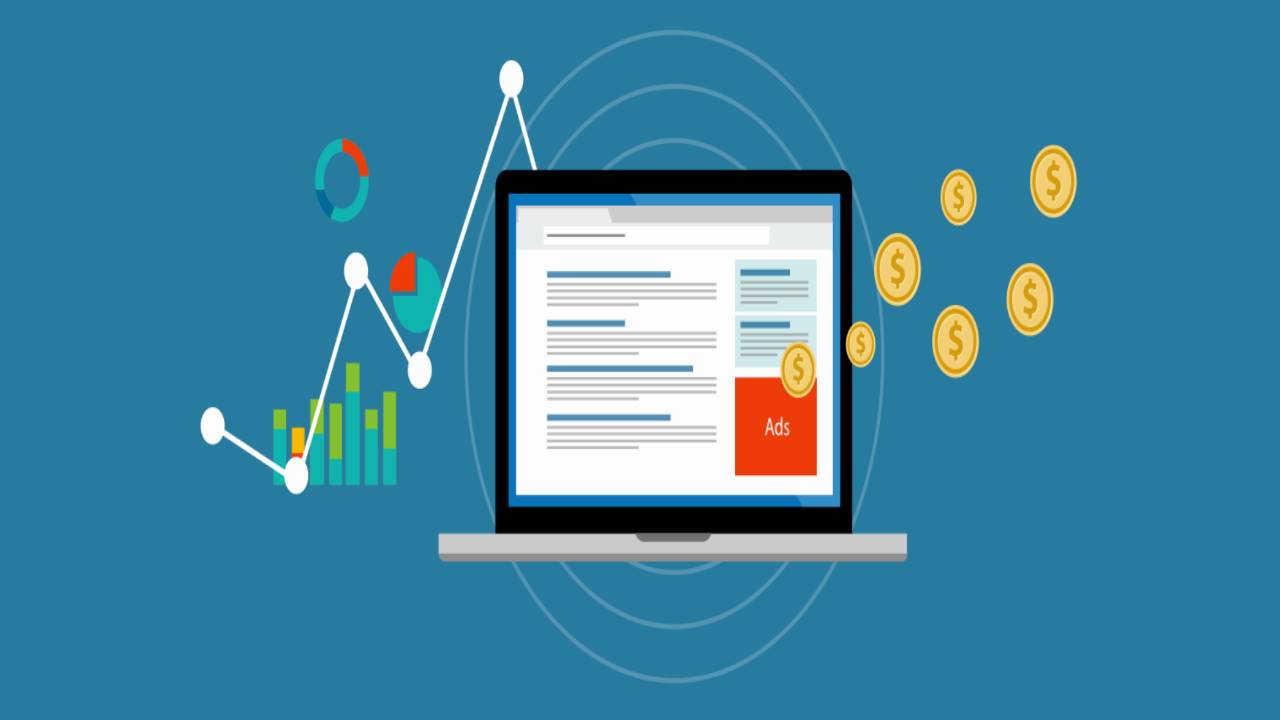
    In the modern digital marketing landscape of 2026, planning advertising campaign budgets is no longer about assigning arbitrary numbers; it has become a science relying on artificial intelligence and predictive analytics to achieve the highest Return on Investment (ROI). With rising cost-per-click (CPC) and increased competition across digital platforms such as Google Ads, Meta Advantage+, and TikTok Ads, marketers and business owners require flexible, precise strategies to allocate budgets efficiently.

    Why Are Advertising Budgets Different in 2026?

    The year 2026 has witnessed fundamental shifts in marketing budget management, most prominently in:

    • Automation and Dynamic Budget Allocation: Today’s digital platforms rely on machine learning algorithms to automatically reallocate budgets toward top-performing ads and ad sets in real time.
    • Focus on First-Party Data: With the complete phase-out of traditional third-party tracking cookies, investing in direct data collection and tracking has become a core element of ad budgeting.
    • Predictive Customer Lifetime Value Modeling (pLTV): Budget setting is no longer based solely on immediate Cost Per Acquisition (CPA), but on projected long-term customer value.

    Steps to Create a Successful Advertising Budget Plan

    1. Define Financial and Marketing Goals Precisely

    Before spending a single dollar, clearly define campaign objectives: Is it brand awareness, lead generation, or direct sales driving? Clear goals allow accurate calculation of target acquisition costs and required return on ad spend (ROAS).

    2. Analyze Acquisition Costs and Market Competitiveness

    Examine average CPC and Cost Per Mille (CPM) in your industry for 2026. This data helps predict the required budget volume to reach your desired target.

    3. Allocate Budget Based on the Marketing Funnel

    A smart distribution strategy for 2026 recommends allocating your budget as follows:

    • 40% for Top of Funnel: To attract new customers and build awareness through short video clips and interactive content.
    • 40% for Middle & Bottom of Funnel: To retarget interested prospects and drive conversions via search ads and smart retargeting.
    • 20% for Testing & Innovation: To test new platforms, innovative ad formats, and emerging AI algorithms.

    Factors Influencing Advertising Budgets

    • Audience Size and Behavior: Narrower and more specialized audience targeting increases costs while yielding higher-quality leads.
    • Ad Platform Type: Advertising costs on LinkedIn (targeting B2B segments at higher rates) differ significantly from platforms like TikTok or Instagram.
    • Seasonality and Special Promotions: Advertising costs surge during holiday seasons and major sales events due to intensified competition.

    Marketing Dot Limited Tips to Improve ROI

    • Continuous Analysis and Evaluation: Ensure you use modern analytics tools to perform regular ad campaign evaluations and immediately pause low-performing ads.
    • Rely on Server-Side Tracking: Ensuring accurate data transmission to ad platforms enhances algorithmic learning and reduces wasted budget.
    • Direct Communication and Growth: Reach out to us via our Marketing Dot Limited Instagram page for tailored consultations on building your ad budget and achieving optimal results.

    Conclusion

    Successful advertising budget planning in 2026 requires combining operational flexibility, effective data reliance, and maximizing emerging technologies. Through continuous monitoring and swift adaptation, you can maximize marketing results and minimize costs without compromising quality.

  • How to Sell Successfully on Facebook Marketplace in 2026

    How to Sell Successfully on Facebook Marketplace in 2026

    In 2026, Facebook Marketplace is one of the fastest-growing commercial channels for selling products and reaching thousands of local buyers without needing massive budgets. Whether you run a large enterprise or sell handmade or personal items, Marketplace offers an exceptional opportunity to drive direct sales.

    Top Strategies to Sell Successfully on Facebook Marketplace in 2026

    1. Capturing Professional Product Photos and Videos

    The main photo determines whether a buyer clicks or scrolls past. Use good lighting, show the item from multiple angles, and include a short video demonstrating product details and usage, as Marketplace algorithms favor video-supported listings.

    2. Writing Search-Optimized Titles and Descriptions (Marketplace SEO)

    Include keywords that buyers search for in your title. Craft clear and accurate descriptions specifying condition, dimensions, available colors, and shipping rates to eliminate non-serious buyer inquiries.

    3. Competitive Pricing and Market Research

    Before publishing your listing, search for similar items on Marketplace and set a competitive price suitable for your target audience to ensure quick sales.

    4. Fast Responses and Earning the “Very Responsive” Badge

    Promptly replying to buyer messages signals positivity to Facebook’s algorithms to recommend your listing to more searchers, while building immediate buyer trust.

    5. Promoting Paid Ads within Marketplace (Boost Listings)

    To double your sales, leverage the “Boost Listing” feature via Facebook Ads to target specific geographic locations and age groups with high precision.

    6. Focusing on Account Ratings and Building Trust

    Accounts with positive ratings and past buyer reviews build buyer trust and close sales significantly faster and easier.

    Tips and Supporting Tools from Marketing Limited

    • Canva & CapCut: Design and edit professional product images and videos effortlessly.
    • Facebook Meta Business Suite: Easily manage all inquiries and messages from a single centralized hub.
    • Superior Customer Service: Polite communication and full transparency regarding product details foster repeat clients and positive recommendations.

    Conclusion

    Success on Facebook Marketplace in 2026 requires a blend of compelling visuals, smart keywords, and rapid customer follow-ups. Start implementing these steps today to see your sales grow and expand your customer base.

  • Top 10 Competitor Analysis Tools for Marketing Success in 2026

    Top 10 Competitor Analysis Tools for Marketing Success in 2026

    Analyzing competitors in 2026 has become a vital strategic step for any brand seeking dominance in its market. With rapid digital acceleration and evolving consumer behaviors, relying on intuition is no longer sufficient. Discovering competitor strengths and weaknesses helps you identify market gaps and optimize your digital campaigns for maximum efficiency.

    Top 10 Competitor Analysis Tools in 2026

    1. SEMrush

    The most comprehensive and popular tool for analyzing competitor keywords, tracking paid advertising campaigns (PPC), and discovering content gaps (Keyword Gap Analysis).

    2. Ahrefs

    Unrivaled for backlink analysis and organic search research. It allows you to identify your competitors’ top-performing pages and traffic sources.

    3. Similarweb

    Provides full visibility into competitor traffic analytics, visitor demographics by geography, and referring traffic platforms.

    4. SpyFu

    Specializes in competitive intelligence for Google Ads campaigns, uncovering historical ad keywords and ad copy used by rivals.

    5. BuzzSumo

    An excellent tool for uncovering the most viral and shared social media content among competitors and evaluating article impact.

    6. Brand24

    An AI-powered social listening tool to track mentions of competitors and your brand while performing sentiment analysis.

    7. Moz Pro

    Offers accurate tools to analyze domain authority (DA), link health, and competitive keywords.

    8. Serpstat

    An all-in-one SEO, PPC, and competitor analysis platform with competitive pricing suitable for startups and SMEs.

    9. Sprout Social

    Helps analyze competitor performance across social media networks, compare engagement rates, and identify peak posting times.

    10. AnswerThePublic

    Enables you to discover real questions and interests searched by your competitors’ audience, making it easy to create content that directly meets market demands.

    How to Choose the Right Tool for Your Business?

    • If your focus is search engines & links: Invest in Ahrefs or SEMrush.
    • If you focus on paid ads: SpyFu delivers the most precise insights.
    • If your focus is social media & brand reputation: Rely on Brand24 and Sprout Social.

    Strategic Tip from Marketing Limited

    Competitor analysis is not about copying content; it is about uncovering missed gaps and opportunities to deliver greater and superior value to your customers.

    Conclusion

    Equipping your team with the right competitor analysis tools in 2026 converts random guesswork into data-driven strategic decisions. Invest in the tool that aligns with your goals and start dominating your industry.

  • YouTube Marketing: Tips and Secrets of E-Marketing Success

    YouTube Marketing: Tips and Secrets of E-Marketing Success

    In 2026, YouTube maintains its position as the world’s second-largest search engine and the undisputed leader in video content. YouTube marketing remains a major growth engine for businesses and creators, offering a powerful avenue to cultivate loyal audiences and turn viewers into long-term customers.

    Top Secrets and Strategies for YouTube Success in 2026

    1. Heavy Investment in YouTube Shorts

    Recent 2026 statistics show that YouTube Shorts generate billions of daily views and represent the fastest channel for acquiring new channel subscribers. Deliver a focused, valuable message within 15 to 60 seconds.

    2. Video Search Engine Optimization (YouTube SEO)

    YouTube leverages advanced AI to analyze video audio and transcripts in real time. Follow these steps to top video search rankings:

    • Select high-intent search keywords and weave them naturally into your video title and description.
    • Incorporate Video Chapters and closed captions (Subtitles).
    • Design eye-catching, high-resolution custom thumbnails to increase your Click-Through Rate (CTR).

    3. Hook Audience Attention in the First 5 Seconds

    Viewer attention spans are shorter than ever. Start your video immediately with a compelling promise, an intriguing hook, or core value delivery rather than drawn-out logo intros.

    4. Shoppable Ads & Videos

    Capitalize on YouTube’s direct selling features by tagging store products directly in videos or ads, allowing viewers to purchase seamlessly while watching.

    5. Leveraging YouTube Community Tab & Live Streaming

    Live streams and interactive posts on the Community Tab feed positive signals into recommendation algorithms, keeping your channel top-of-mind for subscribers.

    Practical Tips for Sustainable YouTube Channel Growth

    • Consistency and Discipline: Establish a strict publishing schedule so both your audience and platform algorithms anticipate regular uploads.
    • Creator Collaborations: Strategic partnerships introduce your brand to relevant, pre-built audiences.
    • YouTube Analytics Insights: Monitor Audience Retention metrics to pinpoint drop-off moments and continuously refine future content pacing.

    Marketing Dot Limited can help you develop a professional video production roadmap that guarantees peak engagement and conversion performance.

    Conclusion

    Succeeding on YouTube in 2026 requires a blend of high production value, deep audience comprehension, and staying ahead of algorithm shifts. Start elevating your channel today with video content designed for future consumers.

  • Evaluation Criteria for Advertising Campaigns: How to Achieve Remarkable Success

    Evaluation Criteria for Advertising Campaigns: How to Achieve Remarkable Success

    Evaluating advertising campaigns based on clear scientific criteria is the decisive factor separating successful investments from wasted budgets in 2026. Setting up ads and spending money without continuous data analysis is a risk that can harm your brand. To achieve remarkable, scalable success, you must track key performance indicators (KPIs) and evaluate performance accurately.

    Core Criteria for Evaluating Advertising Campaigns in 2026

    1. Return on Ad Spend (ROAS)

    ROAS is the single most vital metric for paid advertising, measuring the net revenue generated for every dollar spent on a campaign. Tracking ROAS helps you identify your most profitable ad creatives and platforms.

    2. Customer Acquisition Cost (CAC)

    Calculated by dividing total marketing and advertising expenditures by the number of new customers acquired during the campaign duration. In 2026, companies aim to reduce CAC by refining targeting precision and personalization.

    3. Customer Lifetime Value (LTV)

    Comparing CAC to LTV reveals the true health of your business model. When the cumulative value delivered by a customer far exceeds acquisition cost (LTV:CAC > 3:1), your advertising campaign is highly profitable and sustainable.

    4. Conversion Rate (CR)

    Measures the percentage of visitors who complete a desired action (purchasing, filling out a lead form, downloading an app) relative to total ad clicks. A drop in conversion rate signals a need to review page responsiveness, copy relevance, and user experience.

    5. Click-Through Rate (CTR)

    Reflects how compelling your ad creative and headlines are to your target audience. A high CTR demonstrates strong alignment between advertising messaging and audience pain points.

    6. Engagement Rate and Organic Reach

    Encompasses comments, shares, saves, and likes. High engagement signals algorithms to serve your ads to broader audiences at lower effective costs.

    Strategies for Optimizing Campaign Efficiency in 2026

    • Continuous A/B Testing: Test different copy variations, imagery, and headlines to identify high-converting combinations.
    • Advanced Attribution Modeling (Multi-Touch Attribution): Map out the entire customer journey across touchpoints to understand which channels drive final purchase decisions.
    • Landing Page Optimization: Guarantee fast load times, flawless mobile responsiveness, and a friction-free checkout workflow.

    Expert Guidance from Marketing Dot Limited

    Successful ad campaigns stem from meticulous planning and real-time data analytics. Continuously monitoring performance metrics and making rapid optimizations based on real data safeguards your budget and multiplies ROI.

    Conclusion

    Evaluating advertising campaigns against strict 2026 metrics is your guarantee for sustainable growth and eliminating wasted ad spend. Stay laser-focused on real data and innovate continuously to lead your industry.

  • Importance of Artificial Intelligence in Digital Marketing Strategies

    Importance of Artificial Intelligence in Digital Marketing Strategies

    In 2026, Artificial Intelligence (AI) has become the primary driving force and top competitive edge in digital marketing. Using AI is no longer a luxury reserved for massive corporations; it has become an essential pillar for any business striving to understand consumer behavior, automate ad campaigns, and achieve maximum return on investment (ROI).

    How Artificial Intelligence Revolutionized Digital Marketing in 2026

    1. Hyper-Personalization and User Experience

    AI goes beyond standard customization to deliver tailored content, product recommendations, and offers in real-time to each user based on their preferences, browsing history, and past interactions. This degree of personalization boosts customer satisfaction and conversion rates by over 40%.

    2. Predictive Analytics and Forecasting Consumer Behavior

    Machine learning algorithms help companies predict upcoming market trends, pinpoint high-intent buyers, and anticipate churn rate, enabling businesses to take proactive retention measures.

    3. Programmatic Advertising and Smart Campaign Automation

    AI-driven tools optimize targeted ad placements and automatically allocate budgets across multiple platforms (Meta, Google, TikTok) to reach the ideal audience at the lowest Cost Per Acquisition (CPA).

    4. Generative AI for Creative Content Production

    Artificial intelligence tools serve as a core creative assistant for writing copy, generating images and videos, and brainstorming campaign angles at lightning speed, drastically cutting production turnarounds and elevating marketing agility.

    5. Smart Customer Service via AI Agents and Chatbots

    Chatbots have evolved into conversational AI agents that comprehend complex context, provide instant resolutions, and assist customers in completing purchases 24/7 without requiring human intervention.

    Search Engine Optimization in the Era of AI (GEO & SGE)

    As major search engines like Google rely heavily on Generative AI results, optimizing content for Generative Engine Optimization (GEO) strategies has become essential to ensure AI models cite your website as an authoritative source in direct answer previews.

    Practical Tips from Marketing Dot Limited

    • Combine AI with Human Expertise: Utilize AI to automate repetitive tasks and data crunching while leaving strategic vision and emotional storytelling to human marketers.
    • Invest in Data Quality: AI algorithms rely entirely on input data quality; clean and structure your customer data to ensure accurate insights.
    • Experiment and Continuously Adapt: Testing new AI tools on a weekly basis ensures you stay ahead of competitors.

    Conclusion

    Adopting artificial intelligence in your 2026 digital marketing strategies is not just an option—it is a prerequisite for survival and success in a fast-evolving technological landscape. Start upgrading your marketing stack today and drive real impact in your bottom-line revenue.

  • Difference Between Content Creator and Copywriter: A Comprehensive Guide to Tasks and Skills

    Difference Between Content Creator and Copywriter: A Comprehensive Guide to Tasks and Skills

    With the accelerating pace of developments in digital marketing and content creation for 2026, business owners and beginners often confuse the role of a Content Creator with that of a Copywriter. Although both work with words and creativity, their objectives, required skills, and expected outcomes are fundamentally different.

    Concept of a Content Creator

    A Content Creator is responsible for developing and producing visual, written, or audio content that delivers educational, entertaining, or informative value to an audience. The primary goal of a content creator in 2026 is building brand awareness, attracting followers, and cultivating long-term relationship trust with the audience.

    Key Tasks of a Content Creator:

    • Writing SEO-optimized blog posts and articles.
    • Creating short-form video content (Reels, TikToks, Shorts) and interactive content strategies.
    • Producing educational podcasts and informative newsletters.
    • Designing graphics and infographics for digital platforms.

    Concept of a Copywriter

    A Copywriter specializes in persuasive writing designed to prompt the reader to take an immediate purchase decision or specific action (Call to Action – CTA). In 2026, copywriters focus on targeting customer pain points and emotions to generate immediate sales lift and conversions.

    Key Tasks of a Copywriter:

    • Writing ad copy for paid campaigns (Meta Ads, Google Ads, TikTok Ads).
    • Crafting high-converting landing pages and e-commerce product descriptions.
    • Writing email promotional sequences and sales copies.
    • Composing compelling headlines and script copy for promotional video ads.

    Comprehensive Comparison: Content Creator vs. Copywriter

    • Primary Objective: A Content Creator aims to educate, inform, and build loyalty, whereas a Copywriter aims for direct sales and immediate conversions.
    • Impact Timeline: A Content Creator works on long-term strategy to grow an audience base, while a Copywriter works to drive fast, trackable ROI and sales results.
    • Writing Style: Content Creators utilize storytelling and engaging explanations, whereas Copywriters rely on persuasive frameworks like AIDA (Attention, Interest, Desire, Action) and PAS (Problem, Agitate, Solution).
    • Tools Used: Content Creators rely on editing software, design tools, and SEO techniques, whereas Copywriters utilize consumer behavior analysis tools and A/B testing platforms.

    How Both Roles Complement Each Other for Business Success in 2026

    An integrated marketing strategy requires both specialties: the Content Creator skillfully attracts potential leads and builds trust across digital channels, and then the Copywriter converts that interest and engagement into a successful purchase transaction.

    With Marketing Dot Limited, you can assemble a balanced marketing team and clearly define specialist roles to craft a well-rounded content strategy that delivers high engagement and top return on investment.

    Conclusion

    Understanding the subtle distinctions between a Content Creator and a Copywriter empowers you to hire the right talent and set precise marketing targets. Invest in both specialties together to ensure a digital presence that resonates with your audience while driving your 2026 revenue goals.

  • Importance of a Business Email: Key Steps to Create a Professional Corporate Email

    Importance of a Business Email: Key Steps to Create a Professional Corporate Email

    In the digital business landscape of 2026, an official domain-based corporate email address (Business Email) serves as the first line of defense and a decisive factor in creating a professional, trustworthy initial impression for clients and partners. Communicating via free email providers like Gmail or Yahoo no longer meets market expectations and can undermine your brand’s credibility.

    Why Is a Business Email a Core Pillar for Business Success in 2026?

    • Enhancing Professionalism and Credibility: An email address linked to your custom domain (e.g., [email protected]) assures clients they are dealing with a legitimate and reputable commercial entity.
    • Data Protection and Communications Security: Business emails grant complete management control over employee accounts and message logs, incorporating modern security protocols such as SPF, DKIM, and DMARC to shield your brand from spoofing and phishing attacks.
    • Improving Email Deliverability: Messages sent from a properly configured official business email avoid spam filters and land directly in the client’s inbox.
    • Centralized Management and Cloud Integration: Connecting email with cloud solutions like Google Workspace or Microsoft 365 enables seamless sharing of documents, calendars, and meeting invites across your team.

    Steps to Create a Professional Business Email in 2026

    1. Purchasing and Defining a Custom Domain Name

    Choose a domain name that clearly represents your company brand. It should ideally be short, easy to remember, and simple to spell.

    2. Selecting a Reliable Email Service Provider

    Advanced cloud solutions are available in 2026, including top providers such as:

    • Google Workspace: Offers the familiar Gmail interface backed by cloud storage and integrated collaboration tools.
    • Microsoft 365: An excellent choice for businesses relying on Office applications and deep Windows integration.
    • Zoho Mail: An economical and robust option tailored for startups and small enterprises.

    3. Configuring DNS and Security Settings

    Enable SPF, DKIM, and DMARC records in your domain control panel. This step is mandatory in 2026 to ensure global mail servers do not reject your communications.

    4. Structuring Team Email Addresses

    Set up organized personal email addresses for staff (such as [email protected]) as well as department addresses for core functions (like [email protected] and [email protected]).

    Advanced Tips to Maximize the Value of Your Business Email

    • Design a Professional Email Signature: Include employee name, job title, contact phone number, and links to your website or social media profiles.
    • Provide Cybersecurity Training: Educate team members on identifying suspicious messages and safeguarding accounts with Two-Factor Authentication (2FA).

    Marketing Dot Limited can assist you in configuring your company emails and choosing the optimal cloud solutions to enhance your digital presence and expand your business with confidence and professionalism.

    Conclusion

    Investing in establishing and securing a corporate email is an indispensable step toward building a formidable reputation in the 2026 digital commerce world. Start organizing your official communications today to open new horizons for growth and scalability.

  • What is a Website? Everything You Need to Know About Websites

    What is a Website? Everything You Need to Know About Websites

    In 2026, a website serves as the primary digital facade and official identity for any business, institution, or individual seeking a strong online presence. A website is no longer just static pages displaying simple information; it has evolved into a fully integrated interactive environment powered by artificial intelligence, ensuring a fast, smooth, and superior user experience (UX).

    Concept of a Website and Its Essential Components

    A website is a collection of interconnected web pages hosted on a server and accessible via a unique web address known as a Domain Name using internet browsers. A website primarily consists of three core pillars:

    • Domain Name: The digital address of the website (e.g., example.com) entered by visitors to reach you.
    • Cloud Web Hosting: The storage space on the server that holds website files and databases to ensure 24/7 uptime.
    • Content Management System (CMS): Platforms like WordPress that give you full control to modify and add content easily without needing deep programming expertise.

    Types of Websites in 2026

    Websites vary depending on their purpose and target audience. Today’s most prominent types include:

    • E-commerce Stores: Platforms for selling products and services directly online with seamless integration of smart payment gateways and shipping solutions.
    • Corporate Websites: Enhance credibility and build trust with clients and partners by showcasing company services and achievements.
    • Digital Magazines & Blogs: Provide educational, news, or informational content, serving as the cornerstone for content marketing and search engine optimization.
    • Web Applications & Progressive Web Apps (PWA): Websites that operate like smartphone apps, providing an ultra-fast user experience even on weak internet connections.

    Success Factors for a Website in 2026

    1. Speed and Superior Performance (Core Web Vitals)

    With Google’s modern evaluation standards in 2026, such as INP (Interaction to Next Paint), your website must deliver exceptional responsiveness and loading speed across all devices.

    2. Complete Compatibility with AI and Search Engines (SEO & GEO)

    Success is no longer limited to traditional Search Engine Optimization (SEO); it also includes optimizing content for AI-driven search engines (Generative Engine Optimization – GEO) to ensure your website appears in direct AI search responses.

    3. Smart Security and Advanced Protection

    Using modern SSL certificates, protecting user data, and complying with global privacy laws are fundamental requirements for winning visitor trust and achieving high search rankings.

    4. Responsive UI/UX Design

    Visually comfortable, easy-to-navigate design that automatically adapts to all screen sizes, from mobile phones to large desktop monitors.

    Practical Tips for Website Management from Marketing Dot Limited

    • Update Your Content Continuously: Publishing fresh, useful content boosts traffic and keeps visitors engaged.
    • Analyze Visitor Behavior Regularly: Use tools like Google Analytics 4 and heatmaps to understand how users interact with each page.
    • Focus on Technical Support and Maintenance: Keeping themes and plugins updated prevents security vulnerabilities and maintains stable performance.

    Summary

    Owning a professional website is no longer a luxury—it is the most influential tool for building your brand and expanding in the 2026 digital marketplace. Investing in continuous website development and optimization guarantees rewarding returns and sustainable strategic growth.