Blog

  • Solving Physical Store Challenges Through E-Commerce Transformation

    Solving Physical Store Challenges Through E-Commerce Transformation

    How E-Commerce Solves Your Physical Store Challenges in 2026

    The retail concept is undergoing a radical shift; relying solely on a physical brick-and-mortar store is no longer sufficient to secure sustainable growth and profitability. In 2026, digital transformation and moving to e-commerce represents the optimal strategic solution to overcome operational and financial challenges facing traditional retail.

    Major Physical Store Challenges Solved by E-Commerce

    1. High Operational Costs and Overhead Rent

    Physical stores suffer from heavy fixed expenses such as prime location rents, utility bills, and large staffing costs. An e-commerce store drastically lowers fixed overhead, allowing budget reallocation toward marketing and product development.

    2. Geographical Limitations and Fixed Business Hours

    Physical stores are constrained to serving local customers within immediate proximity during restricted opening hours. An online store operates 24/7, reaching local and international customers without geographic boundaries.

    3. Difficulty Tracking Customer Data and Preferences

    In traditional retail, measuring visitor behavior or understanding why a customer left without buying is difficult. E-commerce provides precise data analytics on popular items, visitor engagement, and buying triggers.

    Practical Steps to Transition Your Physical Store into a Successful E-Commerce Business

    A. Selecting the Right Digital Platform

    In the Arab and GCC e-commerce landscape of 2026, platforms like Salla, Zid, and Shopify offer comprehensive solutions to launch your store within minutes and connect seamless integration services.

    B. Offering Multiple Secure Digital Payment Gateways

    To maximize conversion rates, provide flexible payment options catering to all user preferences:

    • Bank card payments and Mada (Mada / Visa / Mastercard).
    • Buy Now Pay Later (BNPL) options like Tabby and Tamara.
    • Fast digital wallets (Apple Pay, Google Pay).

    C. Automation and Rapid Logistics Integration

    Modern online stores connect with smart fulfillment and shipping companies offering same-day local delivery within major cities and express international delivery with real-time tracking.

    Omnichannel Strategy in 2026

    Transitioning to e-commerce does not mean closing your physical store, but rather integrating both experiences through Omnichannel Retailing:

    • Offering “Click & Collect” (Order online, pick up in-store).
    • Synchronizing real-time inventory between physical storefronts and online stores to prevent stockouts.
    • Using cloud-connected Smart Point of Sale (POS) systems to manage sales from a single platform.

    Modern Technologies Enhancing the Digital Shopping Experience

    E-commerce stores in 2026 leverage cutting-edge tools like Augmented Reality (AR) to virtually try products before buying, alongside AI customer service assistants delivering instant 24/7 product recommendations.
  • E-Commerce & Its Role in Overcoming Marketing Challenges in the Arab World (2026 Vision)

    E-Commerce & Its Role in Overcoming Marketing Challenges in the Arab World (2026 Vision)

    From Forced Digitalization to a Thriving Digital Economy: How E-Commerce Shapes Marketing in the Arab World for 2026

    Past economic shifts and global events accelerated digital adoption across the Arab region. Today in 2026, e-commerce serves as the comprehensive marketing and operational backbone driving business growth for startups and enterprises alike.

    Traditional Marketing Pain Points Overcome by E-Commerce

    1. High Costs of Traditional Advertising

    In the past, marketing relied heavily on expensive TV, print, and outdoor ads with hard-to-measure ROI. Today, AI-powered digital marketing enables hyper-targeted campaigns with flexible, measurable budgets.

    2. Payment and Logistics Trust Barriers

    Heavy reliance on Cash-on-Delivery (COD) once hindered business expansion. In 2026, COD has dropped significantly in favor of instant digital payments, mobile wallets, and Buy Now Pay Later (BNPL) options, accelerating transaction closures.

    3. Lack of Customer Data and Analytics

    Analytics tools and AI in e-commerce track the complete Customer Journey from first click to checkout, empowering business leaders to make decisions grounded in real data rather than guesswork.

    Key Technical Pillars for Success in 2026

    • Mobile-First Design: With over 85% of shopping and browsing done via mobile devices, modern stores are optimized for lightning-fast mobile responsiveness.
    • Social Commerce & Live Shopping: Short video marketing and live shopping streams with instant checkout options yield the highest conversion rates.
    • Automation & AI Customer Service: AI chatbots and automated workflows answer inquiries and recover abandoned carts 24/7.

    Conclusion

    E-commerce is no longer a temporary alternative—it is the foundational pillar for marketing and business sustainability in the Arab world for 2026. Transparency, seamless payments, and data-driven targeting are essential ingredients for digital brand success.

  • Google Analytics 4 (GA4): Key Terms and Reports to Master Like a Pro

    Google Analytics 4 (GA4): Key Terms and Reports to Master Like a Pro

    Google Analytics 4 (GA4) Glossary Guide for Professionals in 2026

    Data analytics has become the primary pillar for making accurate marketing and profitability decisions. With the complete shift to Google Analytics 4 (GA4), analytical concepts have evolved to rely entirely on an event-based model and artificial intelligence rather than traditional session-based tracking.

    To navigate Google Analytics like a professional in 2026, this guide introduces key terms and core reports you must understand and master.

    Core Concepts in Google Analytics 4

    1. Events & Parameters

    In GA4, every interaction a visitor performs on your website or app is considered an Event. Examples include viewing a page (page_view), clicking a link (click), adding an item to the cart (add_to_cart), or making a purchase (purchase).

    • Event Parameters: Additional metadata attached to events for granular detail, such as product name, category, or purchase value.

    2. Engaged Sessions & Engagement Rate

    The Engagement Rate has replaced the traditional “Bounce Rate.” An engaged session is defined as a session lasting longer than 10 seconds, containing a key conversion event, or involving two or more page views.

    • Engagement Rate: The percentage of engaged sessions relative to total sessions. Higher rates indicate better content quality and user experience.

    3. Key Events & Conversions

    In 2026 updates, Google introduced Key Events to highlight vital interactions defining your site’s success (such as order completion, lead form submission, or account registration).

    4. Predictive Metrics

    GA4 utilizes machine learning algorithms to forecast future user behavior, including:

    • Purchase Probability: The likelihood of an active user making a purchase within the next 7 days.
    • Churn Probability: The likelihood of an active user not visiting the site again.
    • Predicted Revenue: Expected revenue generated from active users.

    5. User ID & Cross-Device Tracking

    The User ID feature consolidates user data across smartphones, desktops, or apps, providing a unified view of the customer journey without double-counting visitors.

    Essential GA4 Reports You Must Monitor

    A. Acquisition Reports

    These reports reveal how visitors reach your website, helping evaluate marketing channel performance (Organic Search, Paid Ads, Social Media, Direct, Email).

    B. Engagement & Content Reports

    Uncover top landing pages, most-watched videos, session duration, and user interaction level with your content.

    C. Monetization Reports

    Provide comprehensive insights into total sales, revenue streams, top-selling items, and drop-off points within the sales funnel.

    D. Explorations

    An advanced feature allowing marketers to create custom visual reports via drag-and-drop elements to map user journeys and run complex comparative analyses.

    Pro Tips for Maximizing Google Analytics Value in 2026

    • Link GA4 with Google Ads and Google Search Console for end-to-end insights.
    • Use Google Tag Manager (GTM) to manage and track events cleanly without constant code alterations.
    • Configure Data Retention settings and custom dimensions according to your specific business requirements.
  • Everything You Need to Know About Google Analytics 4 (2026 Guide)

    Everything You Need to Know About Google Analytics 4 (2026 Guide)

    Google Analytics 4 (GA4) in 2026 is the premier global standard for understanding website and app user behavior and making data-driven marketing decisions. Following the complete shift to GA4, analytics rely heavily on AI modeling and event-driven data to provide a holistic view of the customer journey.

    In this comprehensive guide, we cover everything you need to know about Google Analytics in 2026 and how to leverage it to optimize performance and boost sales:

    1. What is Google Analytics 4 (GA4) and How Does It Differ?

    GA4 relies on an Event-Based Model rather than traditional sessions and pageviews, enabling precise tracking of all user interactions such as clicks, video plays, downloads, and scrolls.

    • Combines website and app data tracking into a unified interface and property.
    • Focuses heavily on Engagement Rate rather than traditional bounce rate metrics.

    2. AI-Powered Predictive Metrics and Insights

    Google Analytics in 2026 utilizes machine learning algorithms to provide predictive insights that inform future marketing strategies:

    • Predicts customer purchase probability over the next 7 days (Purchase Probability).
    • Estimates customer churn probability (Churn Probability) and forecasted revenue (Revenue Prediction).

    3. Cross-Device Customer Journey Tracking

    GA4 allows you to seamlessly track user paths across devices—such as a user browsing a store on mobile and completing the purchase on a laptop—without duplicating user data.

    4. Privacy Compliance and Cookie-less Tracking

    Built for modern privacy regulations (such as GDPR) and Consent Mode v2, GA4 uses behavioral modeling to fill data gaps when users decline tracking cookies.

    5. Key Metrics to Monitor in 2026

    • Engaged Sessions: Sessions lasting longer than 10 seconds, containing a conversion event, or viewing 2+ pages.
    • Engagement Rate: Percentage of engaged sessions relative to total traffic.
    • Customer Lifetime Value (LTV): Tracks total revenue generated by a user since their first visit.

    6. Integration with BigQuery and Looker Studio

    GA4 allows free raw data export to Google BigQuery for advanced custom queries and data mining, as well as building interactive visual dashboards in Looker Studio to track real-time business KPIs.

    Conclusion

    Understanding and leveraging Google Analytics 4 in 2026 is vital for digital business growth. Properly configure your GA4 event tracking and conversion goals to direct your marketing budgets into high-performing channels.

  • Google Marketing Tools: Right Time to Use Google Remarketing and Merchant Center

    Google Marketing Tools: Right Time to Use Google Remarketing and Merchant Center

    Comprehensive Guide to Using Google Remarketing and Google Merchant Center in 2026

    In the fast-paced and highly competitive e-commerce landscape of 2026, attracting a visitor just once is no longer sufficient to drive sales. Store owners and marketers require intelligent tools to re-engage visitors and convert their interest into actual purchasing decisions. This is where Google’s flagship tools come in: Google Remarketing and Google Merchant Center Next.

    What is Google Merchant Center Next and How Does It Work?

    Google Merchant Center is the primary platform allowing merchants to upload product feeds and details such as pricing, imagery, and availability to be displayed dynamically across various Google services, including the Google Shopping tab, direct search results, and YouTube Shopping.

    Key Features of Google Merchant Center in 2026:

    • Smart Automated Synchronization: Automatically fetch and update product data from your e-commerce store (Shopify, WooCommerce, Salla, Zid).
    • Visibility in Paid and Free Search Results: Showcase your products in both sponsored ad sections and free shopping search listings.
    • Integration with Performance Max Campaigns: Automatically display products to the most targeted audiences across all Google networks.
    • Predictive Analytics for Pricing and Competitiveness: Receive intelligent recommendations to optimize pricing and offer strategies.

    What is Google Remarketing and How Has It Evolved Today?

    Google Remarketing is a marketing technology that lets you show targeted ads to users who previously visited your store or browsed your products without completing a purchase.

    With privacy shifts and the phase-out of third-party cookies, Google Remarketing in 2026 relies on first-party data, artificial intelligence, and adaptive signals to precisely retarget visitors while respecting user privacy.

    Modern Remarketing Campaign Types:

    • Dynamic Remarketing: Displays the exact products a visitor viewed while browsing your online store.
    • Video Remarketing: Reaches users who engaged with your YouTube channel videos.
    • Remarketing Lists for Search Ads (RLSA): Tailors search ad text for past visitors when they search for relevant keywords.
    • Customer Match Targeting: Uses authorized email lists and phone numbers to re-engage existing customers.

    When is the Right Time to Use Google Remarketing and Google Merchant Center?

    Right Time to Launch Google Merchant Center:

    • When you own an e-commerce store selling physical, tangible products ready for shipping and explicit pricing.
    • When you want to improve click-through rates (CTR), as product ads show an image and price prior to clicking.
    • When expanding across shopping platforms to appear directly in purchase-driven search results.

    Right Time to Launch Google Remarketing:

    • When your store receives sufficient traffic (at least 1,000 monthly visitors to build an effective targeting list).
    • When you notice a high cart abandonment rate.
    • When launching discount seasons or new product releases aimed at loyal existing customers.

    Combined Strategies to Boost Return on Ad Spend (ROAS) in 2026

    1. Combine Merchant Center with Dynamic Remarketing: Display the exact items visitors left in their cart as they browse other sites or watch YouTube videos.

    2. Capitalize on Performance Max Tech: Launch unified campaigns covering Search, Display, YouTube, and Merchant Center using an AI-optimized budget allocation.

    3. Optimize Product Feeds: Ensure product titles are keyword-rich, images are high-resolution, and categories are accurate to avoid Google feed rejections.

    4. Exclusive Offers for Retargeted Users: Offer exclusive discounts or free shipping in remarketing ads to incentivize purchase completion.

  • What is Google Remarketing and Google Merchant Center? (2026 E-Commerce Guide)

    What is Google Remarketing and Google Merchant Center? (2026 E-Commerce Guide)

    In the competitive e-commerce landscape of 2026, relying solely on attracting new visitors is no longer enough to achieve high profitability. Succeeding in digital sales requires effective tools to re-engage prospective buyers and showcase products dynamically across Google platforms. This is where Google Remarketing and Google Merchant Center come together as a powerful combination.

    In this guide, we break down both concepts, how they function, and why integrating them is vital for e-commerce growth in 2026:

    First: What is Google Remarketing?

    Google Remarketing is a smart advertising strategy that targets users who previously visited your website or mobile app without completing a transaction (such as leaving items in their cart or browsing specific products).

    How Google Remarketing Works in 2026:

    • Dynamic Remarketing: Displays personalized ads featuring the exact products a user previously viewed while browsing other websites, YouTube, or apps.
    • Customer Match Lists: Re-engages existing customer email lists with tailored promotional offers.
    • Video & Performance Max Retargeting: Integrates YouTube video ads and Google network placements to re-engage interested audiences.

    Importance of Google Remarketing for E-Commerce:

    • Recovering cart abandoners and reminding them of prospective purchases.
    • Increasing Conversion Rate at significantly lower Cost-Per-Click (CPC) compared to new acquisition campaigns.
    • Boosting Customer Lifetime Value (LTV) through cross-selling and up-selling.

    Second: What is Google Merchant Center?

    Google Merchant Center is a free cloud platform by Google allowing store owners to upload and organize product data (images, pricing, descriptions, availability, brand) to display directly across Google Shopping search results, product tabs, Google Maps, and YouTube.

    Key Features of Google Merchant Center Next in 2026:

    • Automated Product Sync: Direct integration with platforms like Shopify, WooCommerce, Salla, and Zid without manual updates.
    • Full Performance Max Integration: Enables Google to leverage product feeds and automatically construct personalized ads across Search, YouTube, Gmail, and Maps.
    • Free Product Listings: Lists products in organic search results without ad spend, driving organic store traffic.
    • Market Insights & Pricing Analytics: Provides analytics to compare pricing against competitors and identify trending products.

    How to Connect Google Merchant Center with Google Ads

    1. Create a Google Merchant Center account and verify website ownership.
    2. Build your Product Feed, sync products successfully, and ensure policy compliance.
    3. Link your Google Merchant Center account to your Google Ads account.
    4. Launch Shopping or Performance Max campaigns to track conversions and scale sales.

    Conclusion

    Combining Google Merchant Center and Google Remarketing in your 2026 marketing strategy is the golden formula for multiplying e-commerce sales, reducing acquisition costs, and dominating search results in your target market.

  • How E-Commerce Solved Marketing Challenges in the Arab World

    How E-Commerce Solved Marketing Challenges in the Arab World

    E-Commerce and Digital Marketing Landscape in the Arab World in 2026

    E-commerce has achieved exceptional growth in the Middle East and North Africa (MENA) region in 2026, moving beyond being merely an optional retail channel to becoming the primary engine driving economic growth and modern marketing. Digital transformation has effectively eliminated many of the traditional challenges that hindered commercial activities in the past.

    Top Arab Markets Leading Digital Commerce

    1. United Arab Emirates: The Regional Leader in Innovation and Infrastructure

    The UAE market stands out as a leading digital hub globally, backed by robust digital infrastructure, widespread internet adoption exceeding 99%, and advanced logistics frameworks. Fast-growing fintech solutions have made sales and marketing operations ultra-fast and secure.

    2. Saudi Arabia: Accelerating Growth Under Vision 2030

    Saudi Arabia is witnessing a record digital boom aligned with its National Transformation Program and Vision 2030, with over 80% of the population shopping via digital platforms and apps. Government initiatives for commercial licensing and integration with e-invoicing and instant payment systems (such as Mada, Sadad, and BNPL installment options) have enabled thousands of local merchants and enterprises to reach customers effectively.

    3. Egypt: The Largest and Most Efficient Market by Consumer Volume

    The Egyptian market represents a promising purchasing force with a massive population density, where digital shopping and social platform marketing reached unprecedented levels in 2026. The expansion of instant payment services (such as the InstaPay network app and electronic wallets) helped overcome major collection and marketing challenges, unlocking rapid growth for SMEs and startups.

    How E-Commerce Overcame Traditional Marketing Problems

    • Precise Target Segment Reach: The ability to direct ads across social media platforms and search engines to audiences with the highest purchase intent based on their behavior and interests.
    • Automated Sales and Support: Leveraging AI technologies and automated chatbots to facilitate purchases and answer inquiries around the clock.
    • Multiple and Trusted Payment Options: Ending single reliance on Cash on Delivery (COD) thanks to the ease and security of digital wallets, credit cards, and installment solutions.

    Conclusion

    E-commerce is no longer a secondary choice in the Arab world in 2026; it is the vital marketing and investment lifeline for any company seeking expansion and a sustainable market share.

  • SWOT Analysis: How to Scale Your Small Business Globally with Ease

    SWOT Analysis: How to Scale Your Small Business Globally with Ease

    The Importance of SWOT Analysis for Small Businesses and Startups in 2026

    In today’s business landscape of 2026, markets have become more dynamic and competitive than ever, especially with rapid advancements in AI technologies and cross-border commerce. Conducting a SWOT analysis is no longer just an academic exercise; it is a foundational pillar for any small company aiming to expand steadily from local markets to global success.

    What is SWOT Analysis and How Has It Evolved in the Tech Era?

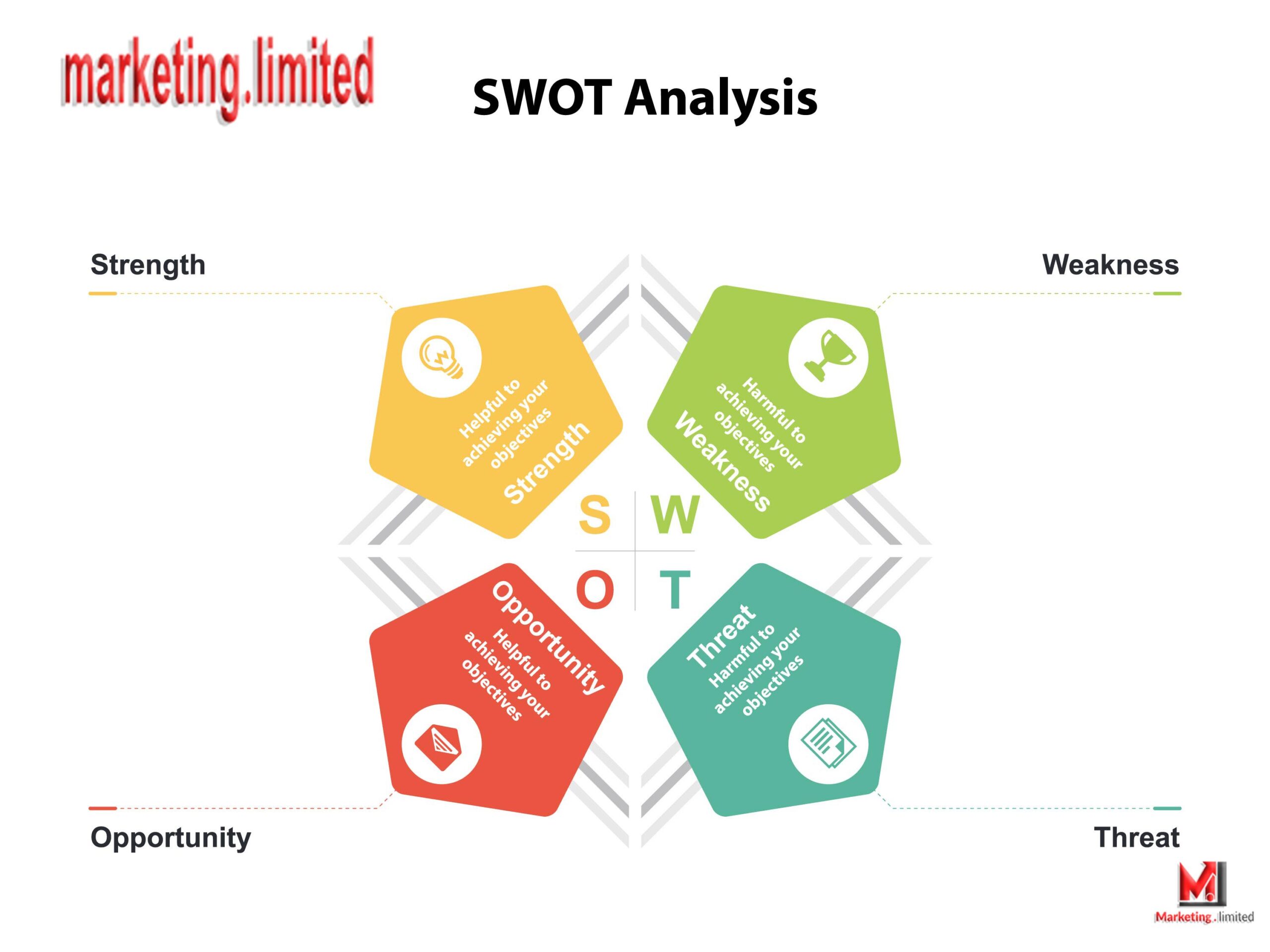
    SWOT analysis is a renowned strategic planning framework evaluating four core pillars:

    • Strengths: Internal advantages owned by the organization giving it a competitive edge.
    • Weaknesses: Internal challenges and shortcomings requiring resolution and development.
    • Opportunities: External trends and market possibilities leverageable for growth.
    • Threats: External risks and variables that could negatively impact company stability.

    In 2026, SWOT analysis merges with predictive analytics tools and AI, allowing small businesses to analyze Big Data, track competitor moves, and monitor consumer behavior with unprecedented precision.

    Detailed Breakdown of SWOT Elements and Their Role in International Growth

    1. Identifying Strengths

    Strengths focus on everything your company excels at and what sets it apart in local and international markets. Key strengths currently include:

    • Agility and speed in adapting to market changes compared to enterprise corporations.
    • Owning a high-quality product or service tailored for specific niche markets.
    • An innovative workforce relying on automation and AI tools to boost productivity.
    • An excellent reputation and superior customer service building strong audience loyalty.

    2. Monitoring Weaknesses

    Candid diagnosis of internal weaknesses is the first step to avoiding failure during expansion. Common small business weaknesses include:

    • Limited financial and marketing budgets compared to global competitors.
    • Lack of expertise in target market laws, customs, and regulatory compliance.
    • Weak logistics infrastructure or reliance solely on local supply chains.
    • Shortage of specialized personnel skilled in international marketing and thinking.

    3. Seizing Opportunities

    The year 2026 opens broad horizons for small businesses to launch globally by capitalizing on the following opportunities:

    • Expanding through digital platforms and cross-border e-commerce.
    • Utilizing AI data-driven personalized marketing to reach a global audience economically.
    • Forming strategic partnerships with regional and international distributors and suppliers.
    • Benefiting from government support initiatives and trade agreements backing digital exports and services.

    4. Mitigating Threats

    Threats involve external factors requiring emergency backup plans, such as:

    • New competitors entering with lower prices or advanced tech solutions.
    • Shifting global regulations regarding data protection and digital trade.
    • Currency exchange rate fluctuations and global economic inflation.
    • Rapidly changing consumer preferences requiring immediate response.

    How to Transform SWOT Analysis Results into a TOWS Strategic Matrix

    The utility of analysis extends beyond identifying factors; the true strength lies in combining them into an actionable strategic matrix:

    • Strengths-Opportunities (SO) Strategies: Leveraging internal strengths to capture available global opportunities.
    • Weaknesses-Opportunities (WO) Strategies: Addressing internal weaknesses to fully capitalize on new opportunities.
    • Strengths-Threats (ST) Strategies: Deploying strengths to minimize the impact of external threats.
    • Weaknesses-Threats (WT) Strategies: Reducing weaknesses and avoiding threats to protect organizational stability.

    Actionable Steps to Take Your Small Business Global in 2026

    To successfully achieve international expansion, follow this strategic roadmap:

    1. Full Digitization: Build advanced digital platforms supporting multi-language and multi-currency options for a seamless user experience.

    2. Target Market Analysis: Study the cultural and consumer behavior of audiences in your target expansion country.

    3. Investing in Modern Digital Marketing: Focus on SEO, content marketing, and AI tools to attract international customers.

    4. Risk and Supply Chain Management: Build reliable logistics partnerships ensuring fast delivery and service efficiency.

  • How to Conduct a Complete SWOT Analysis from A to Z (2026 Guide)

    How to Conduct a Complete SWOT Analysis from A to Z (2026 Guide)

    What is SWOT Analysis and Why is It Crucial in 2026?

    SWOT analysis is the most renowned strategic planning framework in business, standing for (Strengths, Weaknesses, Opportunities, Threats). In 2026, amid rapid AI advancements and evolving consumer habits, SWOT is no longer an annual static exercise—it is a dynamic strategy powered by real-time data and predictive insights.

    The framework consists of two core dimensions:

    • Internal Analysis: Evaluates your organization’s Strengths and Weaknesses, which you directly control and can optimize.
    • External Analysis: Examines Opportunities and Threats originating from the market, competitors, regulations, and technological shifts that require strategic adaptation.

    Detailed Breakdown of SWOT Elements

    1. Strengths

    These are internal competitive advantages and capabilities that set your company apart and ensure market leadership. To identify strengths, ask:

    • What superior value or features do we offer customers?
    • Do we have exceptional talent and advanced technology (like AI tools and automated workflow systems)?
    • Why do clients choose our brand over competitors?
    • Do we possess strong brand equity, high market share, or a robust distribution network?

    2. Weaknesses

    These are internal shortcomings holding back growth, profitability, or competitiveness. To pinpoint weaknesses clearly, ask:

    • What flaws exist in our supply chain or customer service?
    • Are we lacking capital or up-to-date employee training?
    • Are our marketing or tech stack behind 2026 standards?
    • What recurring customer complaints or competitor edges exist?

    3. Opportunities

    These are external market conditions you can capitalize on for rapid growth and revenue. 2026 opportunities include:

    • Emerging tech tools and automated workflows that boost productivity and marketing efficiency.
    • Shifts in consumer preference toward sustainable e-commerce or AI-driven hyper-personalized services.
    • Expanding into new markets or leveraging government incentives for business innovation.
    • Competitor gaps you can fill with faster, superior solutions.

    4. Threats

    These are external risks that could harm business sustainability if unmitigated. Key threats today include:

    • New market entrants utilizing aggressive pricing or disruptive tech.
    • Rapidly changing consumer behavior or economic downturns in specific sectors.
    • Cybersecurity risks threatening customer data and operational continuity.
    • Over-reliance on a single vendor, platform, or acquisition channel.

    Steps to Execute an Actionable SWOT Analysis

    To turn analysis into a concrete action plan, follow these practical steps:

    • Assemble a Cross-Functional Team: Include representatives from marketing, sales, support, and engineering for a well-rounded perspective.
    • Gather Objective Data: Base findings on real metrics, market reports, and customer reviews.
    • Brainstorming Session: Populate all four quadrants of the SWOT matrix collaboratively.
    • Prioritize Findings: Identify top-impact items in each quadrant.
    • Develop TOWS Strategies: Combine factors to formulate actions: leverage Strengths to capture Opportunities (Offensive), use Strengths to counter Threats (Defensive), and address Weaknesses to unlock Opportunities.

    Conclusion & Best Practices for 2026

    Conducting regular SWOT analyses provides an essential roadmap for smart business decisions. Review your analysis every 6 months to align your strategy with fast-moving digital market trends.

  • How E-Commerce Solved Marketing Challenges in the Arab World

    How E-Commerce Solved Marketing Challenges in the Arab World

    Introduction: Digital Transformation and E-Commerce in the Arab World 2026

    The Arab world has witnessed an unprecedented surge in e-commerce and digital transformation in recent years. In 2026, e-commerce is no longer just an optional addition for companies; it has become the primary and fastest solution to address traditional marketing and distribution challenges faced by merchants and consumers in the region for decades.

    In this article, we discuss how e-commerce successfully restructured the Arab marketing ecosystem, overcoming traditional barriers to deliver a seamless and secure shopping experience.

    1. Overcoming Geographical Barriers and Reaching New Markets

    Traditional commerce restricted businesses to the physical boundaries of a store or city. Thanks to modern e-commerce stores and logistics solutions, any Arab business can now market and sell products to customers across the GCC and Middle East without opening new brick-and-mortar branches.

    2. Resolving Electronic Payment Challenges and Facilitating Transactions

    The scarcity of online payment options was a major concern for Arab shoppers. In 2026, e-commerce solved this by integrating secure, local digital payment methods (such as Mada, STC Pay, Apple Pay) alongside Buy Now Pay Later services (Tabby and Tamara), significantly boosting direct sales.

    3. Delivering Precise Targeting and Reducing Marketing Budget Waste

    Traditional advertising (newspapers, billboards) required huge budgets with difficulty measuring return on investment. Electronic marketing tools now allow targeting the Arab audience with extreme precision based on interests, age, and location, while tracking every dollar spent accurately.

    4. Enhancing Customer Experience through AI and Shopping Personalization

    Modern e-commerce platforms provide predictive personalization solutions, displaying products and services tailored to each Arab customer’s preferences based on browsing history and behavior, elevating customer satisfaction and repeat buys.

    5. Price Transparency, Easy Reviews, and Comparisons

    Digital commerce enables Arab consumers to seamlessly compare prices and read past buyers’ reviews, eliminating ambiguity and market monopolies while fostering fair competition centered on product quality and customer service.

    Conclusion

    E-commerce in the Arab world has successfully solved complex marketing and sales challenges, opening immense horizons for Arab youth and businesses to build global brands capable of competing and thriving in 2026 and beyond.