

The Importance of SWOT Analysis for Small Businesses and Startups in 2026
In today’s business landscape of 2026, markets have become more dynamic and competitive than ever, especially with rapid advancements in AI technologies and cross-border commerce. Conducting a SWOT analysis is no longer just an academic exercise; it is a foundational pillar for any small company aiming to expand steadily from local markets to global success.
What is SWOT Analysis and How Has It Evolved in the Tech Era?
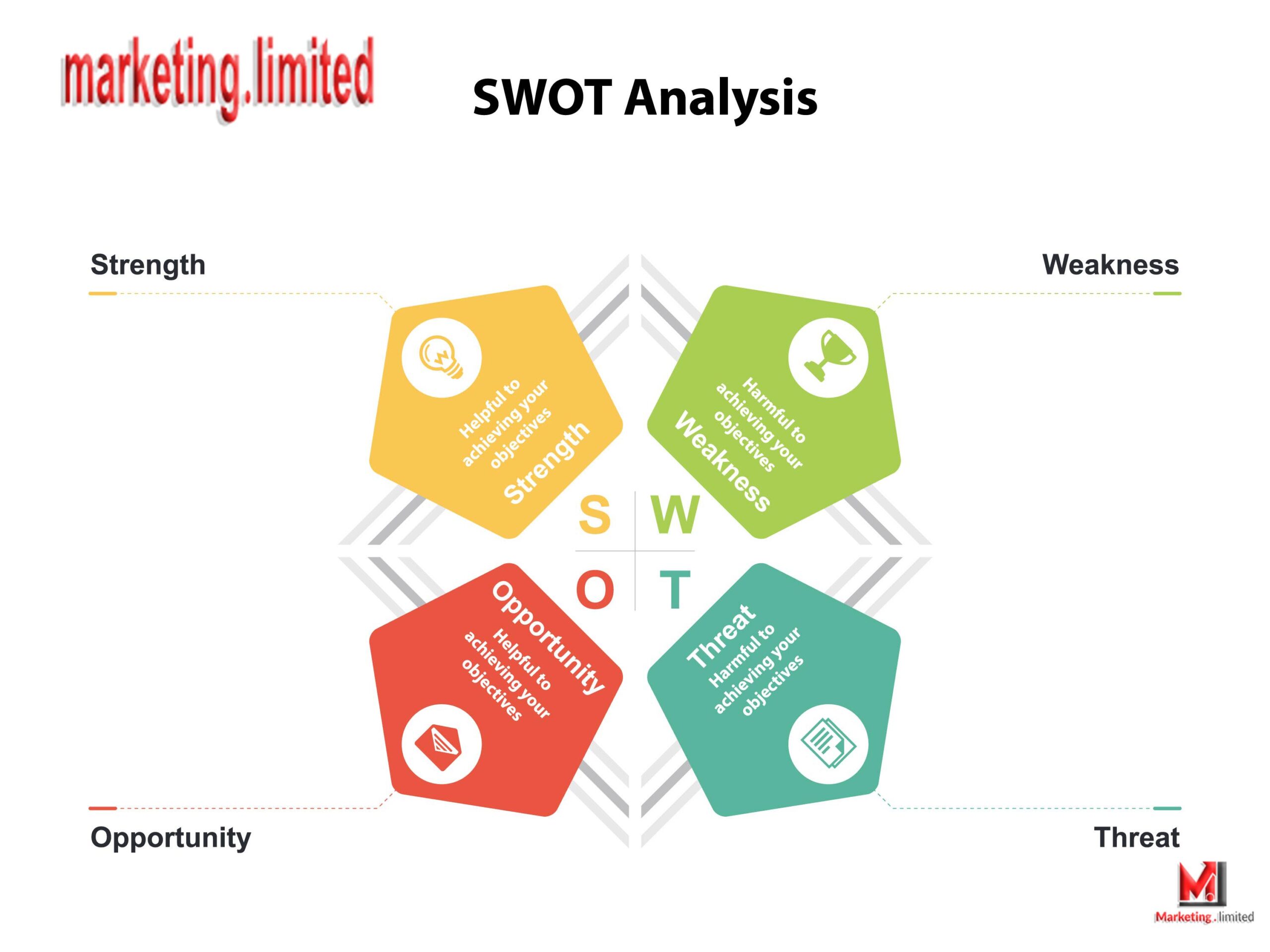
SWOT analysis is a renowned strategic planning framework evaluating four core pillars:
- Strengths: Internal advantages owned by the organization giving it a competitive edge.
- Weaknesses: Internal challenges and shortcomings requiring resolution and development.
- Opportunities: External trends and market possibilities leverageable for growth.
- Threats: External risks and variables that could negatively impact company stability.
In 2026, SWOT analysis merges with predictive analytics tools and AI, allowing small businesses to analyze Big Data, track competitor moves, and monitor consumer behavior with unprecedented precision.
Detailed Breakdown of SWOT Elements and Their Role in International Growth
1. Identifying Strengths
Strengths focus on everything your company excels at and what sets it apart in local and international markets. Key strengths currently include:
- Agility and speed in adapting to market changes compared to enterprise corporations.
- Owning a high-quality product or service tailored for specific niche markets.
- An innovative workforce relying on automation and AI tools to boost productivity.
- An excellent reputation and superior customer service building strong audience loyalty.
2. Monitoring Weaknesses
Candid diagnosis of internal weaknesses is the first step to avoiding failure during expansion. Common small business weaknesses include:
- Limited financial and marketing budgets compared to global competitors.
- Lack of expertise in target market laws, customs, and regulatory compliance.
- Weak logistics infrastructure or reliance solely on local supply chains.
- Shortage of specialized personnel skilled in international marketing and thinking.
3. Seizing Opportunities
The year 2026 opens broad horizons for small businesses to launch globally by capitalizing on the following opportunities:
- Expanding through digital platforms and cross-border e-commerce.
- Utilizing AI data-driven personalized marketing to reach a global audience economically.
- Forming strategic partnerships with regional and international distributors and suppliers.
- Benefiting from government support initiatives and trade agreements backing digital exports and services.
4. Mitigating Threats
Threats involve external factors requiring emergency backup plans, such as:
- New competitors entering with lower prices or advanced tech solutions.
- Shifting global regulations regarding data protection and digital trade.
- Currency exchange rate fluctuations and global economic inflation.
- Rapidly changing consumer preferences requiring immediate response.
How to Transform SWOT Analysis Results into a TOWS Strategic Matrix
The utility of analysis extends beyond identifying factors; the true strength lies in combining them into an actionable strategic matrix:
- Strengths-Opportunities (SO) Strategies: Leveraging internal strengths to capture available global opportunities.
- Weaknesses-Opportunities (WO) Strategies: Addressing internal weaknesses to fully capitalize on new opportunities.
- Strengths-Threats (ST) Strategies: Deploying strengths to minimize the impact of external threats.
- Weaknesses-Threats (WT) Strategies: Reducing weaknesses and avoiding threats to protect organizational stability.
Actionable Steps to Take Your Small Business Global in 2026
To successfully achieve international expansion, follow this strategic roadmap:
1. Full Digitization: Build advanced digital platforms supporting multi-language and multi-currency options for a seamless user experience.
2. Target Market Analysis: Study the cultural and consumer behavior of audiences in your target expansion country.
3. Investing in Modern Digital Marketing: Focus on SEO, content marketing, and AI tools to attract international customers.
4. Risk and Supply Chain Management: Build reliable logistics partnerships ensuring fast delivery and service efficiency.