
The Concept of Visual Marketing in 2026
In an era characterized by rapid speed and increasing digital information overload, Visual Marketing has become the decisive element in capturing consumer attention. Visual marketing leverages images, short-form videos, infographics, and Augmented Reality (AR) technologies to deliver brand messages swiftly, engagingly, and impactfully.
Recent 2026 studies indicate that the human brain processes images and videos 60,000 times faster than written text, making visual content the primary driver for boosting engagement rates and cementing brand identity in the minds of the target audience.
Essential Elements of Modern Visual Marketing
- Short-Form Vertical Video: Reels, TikTok, and YouTube Shorts dominate the marketing landscape as top tools for organic reach and engagement.
- Generative AI Design: Utilizing AI tools to create custom high-resolution images and graphics tailored to specific audience segment preferences.
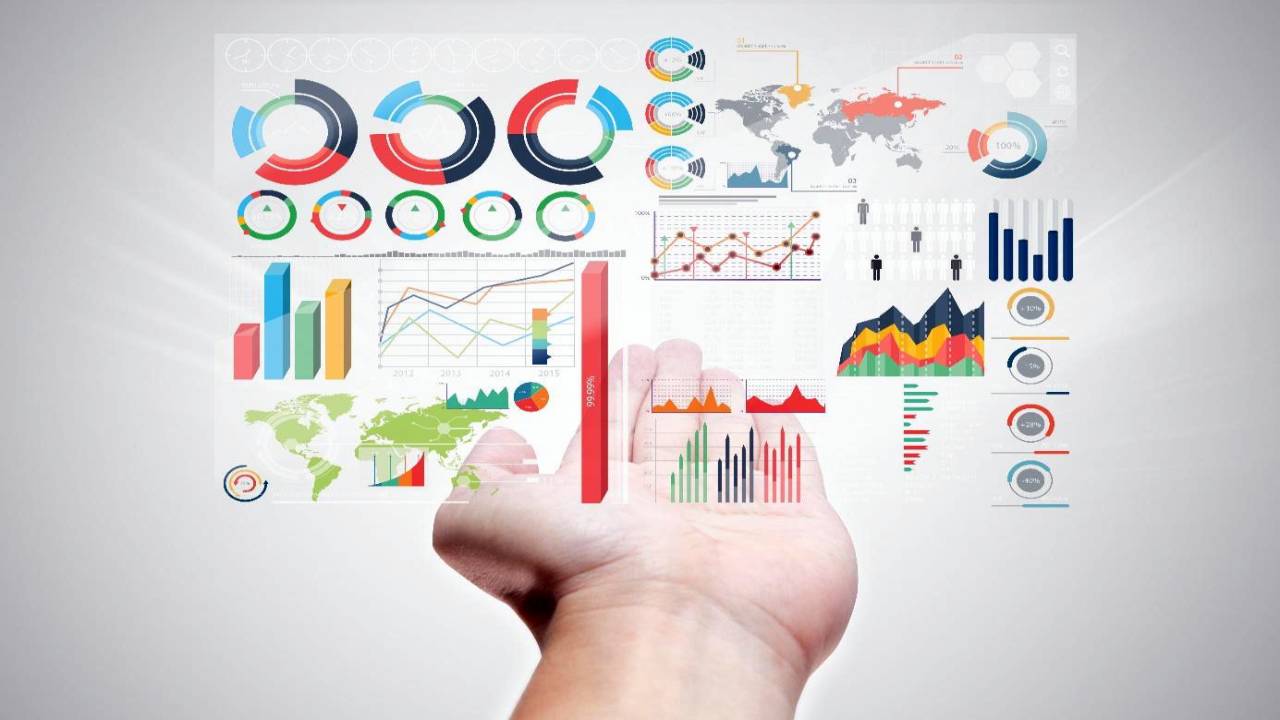
- Infographics and Simplified Diagrams: Transforming complex data and figures into easy-to-understand, highly shareable visual charts.
- Augmented Reality (AR) and 3D Modeling: Enabling customers to virtually try products before purchasing in digital storefronts.
- Unified Visual Identity: Consistently applying colors, typography, and logos across all platforms to build brand recognition.
The Impact of Visual Marketing on Brand Strategy
- Increased Engagement and Dwell Time: Visual content catches the eye and encourages visitors to stay longer on your page, reducing bounce rates.
- Higher Conversion Rates: Adding an explanatory product video on a landing page increases purchasing decisions by up to 80%.
- Enhancing Trust and Credibility: Displaying authentic behind-the-scenes photos and videos builds an emotional, trustworthy bond with customers.
- Improving Visual Search SEO: Optimizing images with ALT text and descriptive captions helps your site rank in visual search tools like Google Lens.
Steps to Build a Successful Visual Marketing Strategy in 2026
- Define core messages and brand values you wish to establish visually.
- Use visual storytelling to connect emotionally with your audience.
- Prioritize high technical quality while optimizing loading speeds using modern formats (such as WebP and AVIF).
- Continuously measure visual media performance to identify designs and videos driving highest engagement and conversion.
Frequently Asked Questions About Visual Marketing (FAQ)
1. What is the best platform to publish visual content in 2026?
The ideal platform depends on your target audience; Instagram and TikTok are perfect for youth and consumer goods, YouTube excels for detailed educational videos, while LinkedIn suits professional graphics and B2B companies.
2. How do I balance image quality with website load speed?
Use lossless image compression tools, adopt next-gen formats like WebP, and enable lazy loading on your site.
3. Does AI replace human designers in visual marketing?
AI serves as an empowering tool that enhances speed and innovation, but human artistic vision and brand identity direction remain vital for marketing success.
In Conclusion
Visual marketing is not merely adding pretty pictures; it is a comprehensive strategy for defining brand identity and deepening audience engagement in 2026.
Advice from Marketing Dot Limited: Make visual content a core component of your marketing plan, and invest in innovative videos and graphics to maximize your ROI.