

Many individuals and organizations experience fragmented effort and lack of tangible results despite hard work. The root cause is often setting vague or unworkable goals. In 2026, amid fast-paced routines and digital distractions, the SMART methodology for planning and goal-setting is a core foundation for personal and professional growth.
SMART goals convert floating wishes into clear, structured action plans. In this article, we explain the SMART methodology in detail and how to apply it effectively in 2026.
What is the SMART Methodology for Goal Setting?
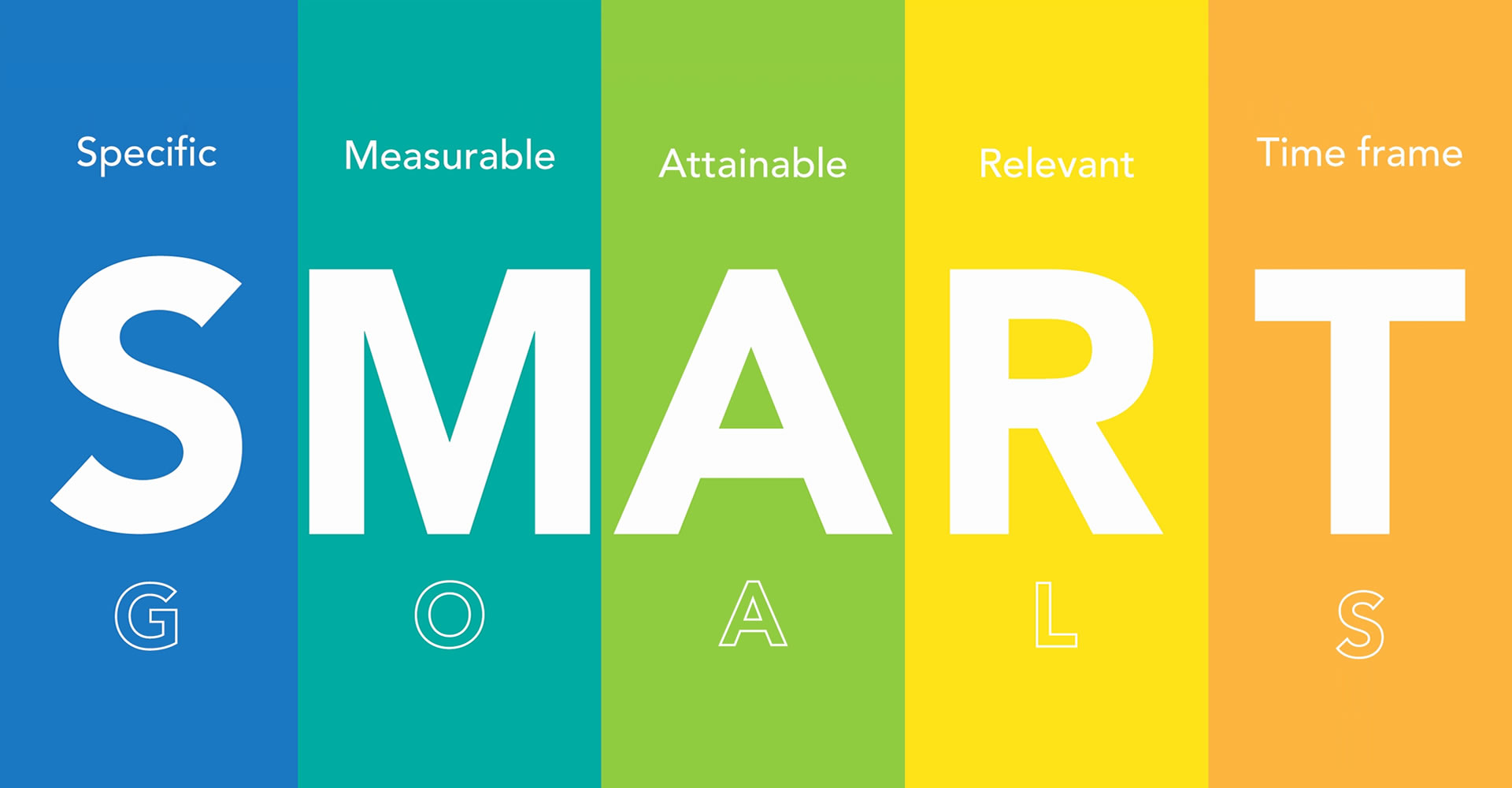
The acronym SMART stands for five essential criteria every effective goal must meet:
- S – Specific: The goal must be clear and unambiguous. Instead of saying “I want to increase sales,” specify: “I want to increase digital product sales on our website.”
- M – Measurable: Include metrics or key performance indicators (KPIs) to track progress. Example: “Increase sales by 25%.”
- A – Achievable: The goal should be realistic within your current capabilities, offering a challenge without being impossible.
- R – Relevant: Align the goal with your broader life vision or business objectives, ensuring it carries real value.
- T – Time-bound: Set a clear deadline to prevent procrastination and ensure accountability. Example: “Within Q1 of 2026.”
Practical Example: Transforming a Vague Goal into a SMART Goal
To illustrate the difference, compare these two goals:
- Vague Goal: “I want to learn digital marketing.”
- SMART Goal: “I will complete a comprehensive email marketing course and apply it to acquire 500 new email subscribers within 90 days by the end of September 2026.”
Applying the SMART Framework with AI & Digital Tools (2026)
In 2026, technology makes setting and tracking SMART goals seamless:
- Track Progress with Productivity Apps: Use apps like Notion, Trello, or Asana to break main goals into daily micro-tasks.
- Leverage AI Assistants: Use AI tools to analyze action steps, forecast bottlenecks, and design accurate timelines.
- Agile Weekly Reviews: Today’s dynamic environment requires regular weekly or monthly check-ins to adjust plans as needed.
Top Tips to Stay Committed to Your SMART Goals
- Write down goals and prioritize them, avoiding setting too many targets simultaneously.
- Share goals with a mentor or accountability partner to maintain momentum.
- Celebrate small milestones along the way to stay motivated.
Conclusion
Planning using the SMART framework in 2026 is your strongest strategy to convert effort into outstanding results. Start defining your smart goals today and experience a remarkable boost in productivity and accomplishment.