Blog

  • Essential Steps to Successfully Manage a Website: Detailed Webmaster Guide for 2026

    Essential Steps to Successfully Manage a Website: Detailed Webmaster Guide for 2026

    Essential Steps to Successfully Manage a Website: A Detailed Guide for Webmasters in 2026

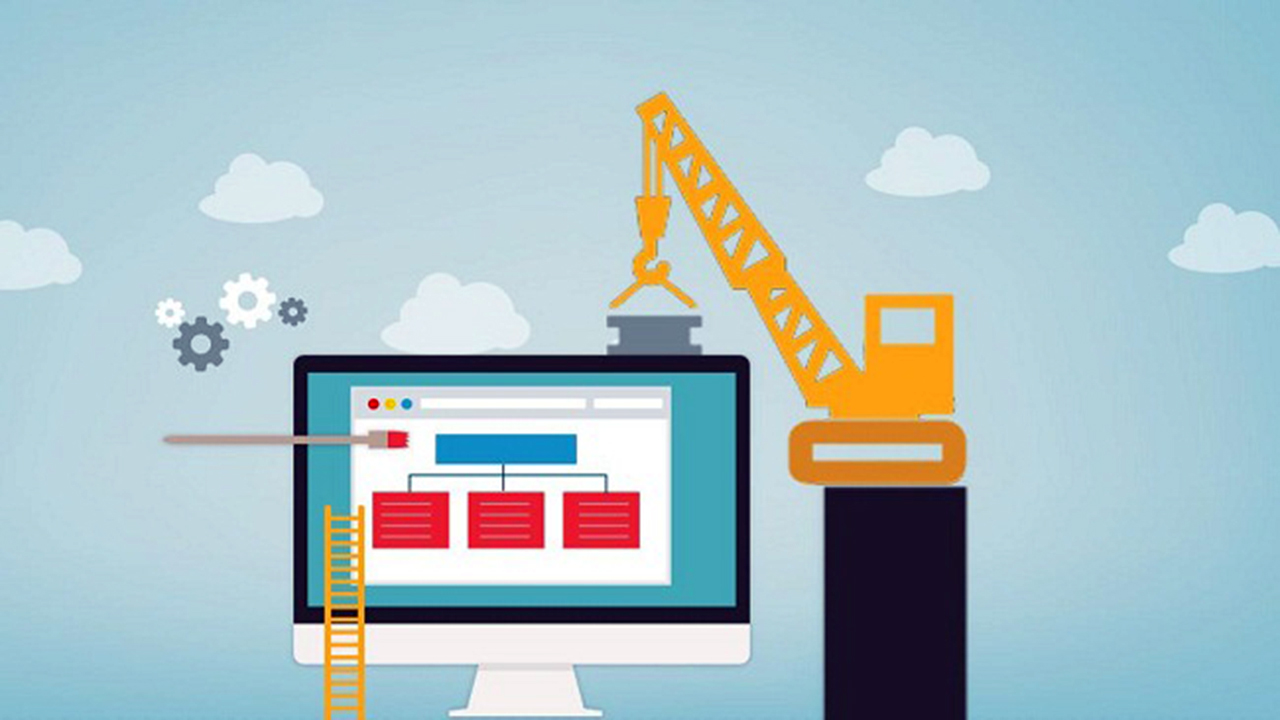
    Website management in 2026 has evolved far beyond basic text updates and minor code tweaks. Successfully managing a modern website requires balancing robust cybersecurity, exceptional performance across Google Core Web Vitals, innovative user experience design, and adaptive AI search strategies.

    Why Professional Website Management Is Crucial for Business Growth

    A website serves as a brand’s primary digital storefront. Continuous maintenance and monitoring deliver significant strategic advantages:

    • Brand Protection & Cybersecurity: Preventing cyber threats and ensuring uninterrupted site uptime.
    • Improved Conversion Rates (CRO): Providing a fast, frictionless browsing experience that drives visitor action.
    • Preserving Organic Search Rankings: Staying aligned with Google algorithm updates and AI search trends.
    • Reducing Operational Costs: Catching technical bugs and code issues early before they escalate into costly problems.

    The 6 Pillars of Successful Website Management in 2026

    1. Digital Security and Advanced Protection

    Security is the bedrock of site management. Ensure the following security measures are implemented:

    • Install modern SSL/TLS certificates and enable HTTP/3 protocol support.
    • Deploy a robust Web Application Firewall (WAF) to guard against DDoS attacks and SQL injection exploits.
    • Enforce Two-Factor Authentication (2FA) for all webmasters, administrators, and editors.
    • Schedule automated daily off-site backups to secure cloud servers.

    2. Performance Optimization & Core Web Vitals (INP & LCP)

    Blazing-fast load speed is non-negotiable. Monitor and optimize key metrics such as INP (Interaction to Next Paint) and LCP (Largest Contentful Paint) by:

    • Utilizing high-performance Content Delivery Networks (CDNs).
    • Minifying and deferring unused CSS and JavaScript files.
    • Upgrading hosting infrastructure to high-performance cloud servers.

    3. Regular Software and Component Maintenance

    System updates for content management systems (such as WordPress), plugins, and themes must be executed weekly. Always test updates in a staging environment before pushing to live production servers to prevent code conflicts.

    4. Content Management & SEO Strategies (Search & AI Overviews)

    High-value content drives organic growth. Smart content management involves:

    • Auditing legacy articles and updating statistics and insights for 2026.
    • Optimizing internal linking structures and fixing 404 broken links.
    • Integrating schema markup to enhance visibility in AI search features (SGE / AI Overviews).

    5. User Experience & Mobile-First Design (Mobile-First UX)

    With mobile traffic accounting for over 70% of total web browsing, webmasters must ensure fluid responsive design, intuitive menu navigation, and prominent call-to-action (CTA) buttons across all devices.

    6. Continuous Analytics and Performance Tracking

    Leverage advanced analytics tools like Google Analytics 4 (GA4) and Google Search Console to monitor visitor behavior, identify top-performing content, and optimize high bounce-rate landing pages.

    Weekly Webmaster Checklist

    • Monitor server performance and uptime metrics (Aim for 99.9% Uptime).
    • Verify automated backups and test data integrity.
    • Run broken link scans and resolve redirection errors.
    • Review security audit logs and flag suspicious activity.

    Conclusion

    Managing a website successfully in 2026 is an ongoing journey that requires systematic planning and execution. By maintaining rigorous security protocols, optimizing speed, and refining content, your website will sustain digital leadership in a fast-paced ecosystem.
  • Step-by-Step Image SEO Guide 2026: How to Rank Your Images on Google Search

    Step-by-Step Image SEO Guide 2026: How to Rank Your Images on Google Search

    Image SEO Guide for 2026: How to Rank Your Images on Google Search

    Optimizing images for search engines (Image SEO) is one of the most critical factors for driving organic website traffic in 2026. With the rapid evolution of visual search technologies and AI tools like Google Lens, combined with Google’s visual experience algorithm updates, images have become a primary driver of user engagement and conversions, far beyond mere aesthetics.

    Why Is Image SEO Crucial in 2026?

    Recent studies indicate that over 30% of daily search queries rely on images and visual search. Investing in image SEO provides your website with the following key benefits:

    • Increased Organic Traffic: Ranking your images in Google Image Search directs thousands of high-intent visitors straight to your pages.
    • Faster Site Speed & Core Web Vitals Improvement: Adopting modern formats and image compression reduces page load time and boosts your Largest Contentful Paint (LCP) score.
    • Enhanced User Experience (UX): Delivering high-quality, responsive images keeps visitors engaged longer.
    • Visibility in Advanced Visual Search Results: Helping AI algorithms understand image content ensures placement within direct visual search results.

    Step-by-Step Guide to Optimizing Images for Google

    1. Choose Modern Image Formats for 2026 (AVIF & WebP)

    Move away from heavy legacy formats like PNG and JPG and adopt next-gen formats like AVIF and WebP. These formats offer up to 50% better compression compared to legacy formats while maintaining crisp visual quality and vibrant colors.

    2. Name Image Files Accurately and Descriptively

    Before uploading any image, ensure the file name accurately reflects its subject matter and includes target keywords separated by hyphens (e.g., seo-image-optimization-2026.webp instead of IMG_001.jpg).

    3. Craft Smart and Professional Alt Text

    Alt text is the primary method search engines and screen readers use to interpret image content. Follow these best practices when writing Alt text:

    • Describe the image naturally and concisely without keyword stuffing.
    • Include key details relevant to the article topic or product.
    • Seamlessly integrate primary or secondary keywords where appropriate.

    4. Compress Images and Specify Dimensions

    Keep image file sizes under 100 KB whenever possible. Utilize automated compression tools or server-side plugins to minimize data overhead, and always specify width and height attributes in HTML to avoid layout shifts (CLS).

    5. Implement Progressive Loading and Lazy Loading

    Add the loading="lazy" attribute to all below-the-fold images. This defers image downloading until the user scrolls to them, significantly accelerating initial page responsiveness.

    6. Add Structured Data for Images (Image Schema Markup)

    Use ImageObject structured data markup to inform search engines of granular image details such as creator, license, and page context. This enhances your chance of appearing in Rich Results and Featured Snippets.

    7. Create an Image Sitemap

    Include key image URLs in your XML sitemap or maintain a dedicated image sitemap to ensure faster and more thorough crawling and indexing by Google bots.

    Common Image SEO Mistakes to Avoid

    • Uploading Overly Large Dimensions: Serving 4K resolution images instead of theme-appropriate dimensions degrades performance.
    • Ignoring Alt Text: Leaving alt text blank misses valuable keyword indexing opportunities.
    • Relying Solely on Text Embedded Within Images: Search engines require HTML code text to parse information accurately.

    Summary

    An effective image SEO strategy in 2026 combines technical precision with a seamless user experience. By leveraging modern image formats, descriptive alt tags, and ultra-fast loading speeds, your website will dominate visual search results and outshine competitors.

  • 10 Innovative Platforms: Discover How to Design Graphics with AI

    10 Innovative Platforms: Discover How to Design Graphics with AI

    10 Innovative AI Graphic Design Platforms in 2026

    Artificial intelligence has sparked a massive revolution in visual graphic design by 2026. Creating professional designs, logos, and ad packaging is no longer limited to design experts; anyone can now transform text ideas into stunning designs in seconds.

    Top 10 AI Graphic Design Platforms in 2026

    1. Canva Magic Studio

    Canva leads the scene by providing a complete suite of generative AI tools that allow you to create images, animate design elements, remove backgrounds, and replace elements using simple text prompts.

    2. Adobe Firefly

    Adobe’s commercially safe generative AI engine, integrated into Photoshop and Illustrator. It enables generating graphic text, expanding image backgrounds (Generative Fill), and creating professional color effects with complete intellectual property protection.

    3. Midjourney (V6)

    The leading platform for generating cinematic-quality, ultra-realistic graphic art images from text prompts via Discord and the official website, making it the top choice for professional designers.

    4. DALL-E 3 (Integrated into ChatGPT)

    OpenAI’s premier platform that understands complex details in text prompts and translates them into consistent graphic designs with high precision, allowing easy editing of specific elements.

    5. Kittl

    A specialized platform for designers and product creators, allowing the generation of logos, printables, and innovative graphic fonts using AI with full vector control.

    6. Designs.ai

    An integrated platform that uses AI to generate logos, brand identities, ad videos, and marketing posts in a unified package consistent with your brand identity.

    7. Microsoft Designer

    A free graphic tool powered by DALL-E, allowing you to design social media posts, cards, and ad invitations in a modern and extremely easy style.

    8. Fotor AI Design

    Offers excellent image editing tools along with smart graphics generation, restoring old photos, and designing digital ads effortlessly and professionally.

    9. Visme AI Creator

    The ideal platform for designing presentations and interactive infographics, converting complex data into impressive and engaging graphics.

    10. AutoDraw by Google

    A simple and user-friendly free tool that converts hand-drawn quick sketches into professional icons and graphic drawings in seconds using machine learning.

    How to Start Graphic Design with AI?

    • Choose the platform that best fits your project nature (logos, posts, artistic images).
    • Write a clear and detailed prompt describing the desired colors, style, and visual composition.
    • Refine and tweak the output to reach the perfect final version.
    • Ensure visual consistency with your brand identity.
  • The Secret to Facebook Paid Ads Success in 2026: Strategies for Maximum ROAS

    The Secret to Facebook Paid Ads Success in 2026: Strategies for Maximum ROAS

    The Secret to Facebook Paid Ads Success in 2026: Strategies for Maximum Return on Ad Spend (ROAS)

    In 2026, Facebook and Meta Ads rely almost entirely on artificial intelligence and machine learning to deliver optimal ads to users. To achieve high return on ad spend (ROAS) and reduce customer acquisition cost (CPA), advertisers must leverage ad automation tools and develop innovative visual content.

    Top Success Strategies for Facebook Paid Ads in 2026

    1. Utilize Meta Advantage+ Shopping & Creative Campaigns

    Advantage+ campaigns allow you to hand over audience targeting, budget allocation, and creative variations to Meta’s AI algorithms. The platform automatically determines the highest-converting designs and text combinations for each user.

    2. Integration via Meta Conversions API (CAPI)

    With browser restrictions and third-party cookie deprecation, establishing a direct connection between your website server and Meta servers via CAPI is essential to measure conversions and sales events with 100% accuracy without data loss.

    3. Heavy Reliance on Reels and User-Generated Content (UGC)

    Short vertical video clips (Reels) and user-generated content (UGC) achieve the highest engagement and click-through rates, offering viewers authenticity and relatability compared to traditional ad creatives.

    4. Continuous Creative Testing

    Creative innovation is the true targeting mechanism in 2026. Continuously test different marketing angles, bold headlines, and video variations to prevent ad fatigue among your target audience.

    5. Cost Control and Bidding Strategies (Cost Cap & Bid Cap)

    Set appropriate cost caps for conversions in bid settings to ensure your budget is spent only when there is a genuine conversion opportunity at your targeted acquisition cost.

    Phases of Building a Successful Facebook Ad Campaign

    • Planning and Goal Setting: Clearly define sales or lead generation objectives.
    • Custom & Lookalike Audiences Setup: Target email lists and previous visitors, and build lookalike audiences based on your best customers.
    • Landing Page Optimization: Ensure fast page load speeds and seamless checkout flows to convert ad clicks into actual sales.
    • Monitoring Key Metrics: Track click-through rate (CTR), return on ad spend (ROAS), and cost per acquisition (CPA).

    Implementing these innovative strategies ensures ad spend efficiency and sustainable profits from Facebook ads in 2026.

  • Exploring the Best Search Engines in 2026: A Comprehensive Guide to Google Alternatives

    Exploring the Best Search Engines in 2026: A Comprehensive Guide to Google Alternatives

    Exploring the Best Search Engines in 2026: A Comprehensive Guide to Google Alternatives

    Despite Google’s long-standing dominance over the digital landscape, 2026 has brought a real revolution in how people search for information, driven by generative AI integration and growing awareness of digital privacy protection.

    Top Alternatives to Google Search Engine in 2026

    1. Microsoft Bing & Copilot – The Power of AI and Integration

    Microsoft Bing stands as Google’s direct competitor, leveraging AI through the built-in Copilot assistant to deliver direct answers and accurate summaries instead of just links, alongside the Bing Rewards system.

    2. Perplexity AI – The Interactive Smart Answer Engine

    Perplexity revolutionized search in 2026 as an answer engine that understands complex queries and provides accurate, detailed answers with live, real-time updated citations and sources—making it a top choice for researchers and students.

    3. DuckDuckGo – Ultimate Privacy Protection

    The go-to choice for users prioritizing data security. DuckDuckGo does not track search history, store personal logs, or target users with personalized ads based on behavioral tracking.

    4. Brave Search – Independent and Untracked Search

    An independent search engine operating on its own index separate from big tech corporations, ensuring browsing free from trackers and intrusive ads.

    5. Startpage – Google Results with Complete Privacy

    Startpage offers a magical solution for those who love Google’s search accuracy but refuse data tracking, delivering Google results completely anonymously without storing IP addresses.

    6. Ecosia – Sustainable Eco-Friendly Search

    An environmentally friendly search engine that uses ad profits to plant trees worldwide, giving users a search experience with a positive environmental impact.

    How to Choose the Right Search Engine for Your Needs?

    • For quick summaries and intelligent answers: Rely on Perplexity AI or Bing Copilot.
    • For privacy and personal security: Use DuckDuckGo or Brave Search.
    • For Google results without tracking: Choose Startpage.
    • To support environmental initiatives: Try Ecosia.

    The diversity of search engines in 2026 allows users to choose an experience that guarantees accuracy, speed, and complete personal data protection.

  • Experience a New World: Top 3 YouTube Alternatives for Online Video in 2026

    Experience a New World: Top 3 YouTube Alternatives for Online Video in 2026

    Experience a New World: Top 3 YouTube Alternatives in 2026

    Although YouTube has dominated the digital video market for decades, 2026 has witnessed a major shift in creator and viewer preferences. Many are searching for platforms that offer easier monetization terms, better privacy policies, or an ad-free viewing experience.

    Top Outstanding YouTube Alternatives in 2026

    1. Vimeo – The Professional and Independent Choice

    Vimeo remains the premier platform for filmmakers, professional content creators, and businesses. It features an ad-free viewing experience, powerful customization tools for video players, and support for 4K and 8K resolution alongside full privacy and intellectual property control.

    • Pros: Superior video quality without disruptive ads, professional environment, and advanced customization tools for designers and businesses.
    • Challenges: Storage limits on free accounts.

    2. Dailymotion – The Diverse Global Platform

    Dailymotion attracts hundreds of millions of monthly visitors thanks to its modern interface and seamless exploration of news, entertainment, and sports content. It provides excellent sharing and embedding tools, giving new creators greater flexibility.

    • Pros: User-friendly interface, easy video uploading and sharing, and diverse global content.
    • Challenges: Presence of ads and varying video quality compared to Vimeo.

    3. Rumble & Odysee – Content Freedom and Decentralization

    Rumble and Odysee (powered by blockchain technology) have successfully attracted a broad creator community in 2026, offering instant and direct revenue-sharing models free from strict algorithmic restrictions.

    • Pros: Direct and fast monetization, no harsh censorship policies, and user privacy protection.
    • Challenges: Smaller overall audience compared to YouTube’s massive user base.

    How to Choose the Right Alternative Platform for You?

    Choosing the ideal platform depends on your goals as a creator or viewer:

    • If you are looking for professional display quality to showcase commercial work: Vimeo is your best choice.
    • If you want to follow news and quick entertainment content: Dailymotion gets the job done.
    • If you desire full autonomy and a flexible earnings model: Rumble or Odysee provide the right alternative.
  • Top Digital Marketing Platforms: Achieving Optimal Click-Through Rates (CTR) in Search

    Top Digital Marketing Platforms: Achieving Optimal Click-Through Rates (CTR) in Search

    Top Digital Marketing Platforms for 2026: Optimizing Click-Through Rates (CTR) in Search Results

    Click-Through Rate (CTR) is one of the most critical metrics evaluating the efficiency and performance of your marketing campaigns and web pages. In 2026, digital platforms are diverse and highly competitive, making innovative targeting and precise headline and description optimization essential for reaching target customers.

    Leading Digital Marketing Platforms in 2026

    1. Google Ads & Search Console

    Google remains the top platform for capturing high commercial intent traffic. Responsive Search Ads (RSA) combined with structured data (Schema Markup) allow your listings to dominate instant answers and rich search snippets.

    2. Meta Platform (Facebook & Instagram Ads)

    Leveraging Meta Advantage+ and adaptive media generation, Meta ads empower marketers to drive engagement and directly reach audiences based on real-time interests and behavior patterns.

    3. TikTok Ads Manager

    TikTok excels at driving viral reach and capturing quick clicks among youth demographics through short, interactive User-Generated Content (UGC) video ads.

    4. LinkedIn Marketing Solutions

    The premier B2B platform, enabling direct access to decision-makers and C-suite executives with high conversion and click rates through specialized content and Account-Based Marketing (ABM).

    Strategies to Elevate Click-Through Rates (CTR) Across Platforms

    • Craft Compelling Headlines: Use numbers and actionable power words that answer viewer queries immediately.
    • Optimize Meta Descriptions: Include clear Calls-to-Action (CTA) and primary keywords within the first 150 characters.
    • Utilize Structured Data (Rich Snippets & Schema): Add star ratings, pricing, and FAQ schemas to make search results visually distinctive.
    • Improve Speed and Mobile Responsiveness: Users click and stay on websites that load fast and navigate smoothly without friction.
    • Continuous A/B Testing: Test multiple headline and image variations to identify the most engaging messaging.

    By selecting the right platforms and implementing visual and textual optimization strategies, you can maximize your marketing ROI and drive targeted clicks and sales in 2026.

  • Guide to the Best Free AI Marketing Tools for 2026

    Guide to the Best Free AI Marketing Tools for 2026

    Your Guide to the Best Free AI Marketing Tools for 2026

    Artificial intelligence has become the core pillar of modern digital marketing in 2026. AI adoption is no longer limited to enterprise corporations—dozens of powerful, free AI tools are available for business owners and marketers to automate tasks, refine content, and drive conversions efficiently.

    Top Free AI Marketing Tools in 2026

    1. ChatGPT & Claude – Content Creation & Planning

    Both platforms offer excellent free tiers for brainstorming marketing strategies, copywriting, drafting articles, and repurposing content across social media channels.

    2. Google Gemini – Real-time Analysis & Google Ecosystem Integration

    Gemini excels at connecting marketing data directly with Google’s ecosystem (Search, Workspace, Analytics), enabling competitor analysis and live search trend tracking at zero cost.

    3. Canva Magic Studio (Free Plan) – Smart Graphic Design

    Canva’s free tier provides tools for generating graphics, writing text overlays, and editing YouTube and Instagram thumbnails using AI without requiring design experience.

    4. HubSpot Free AI Tools – Automation & CRM Management

    HubSpot’s AI tools assist in generating blog ideas, drafting marketing emails, and summarizing customer interactions within the CRM platform.

    5. Mailchimp AI Email Generator – Email Marketing

    Mailchimp offers free tools to suggest high-converting email subject lines and draft personalized promotional copy that increases open and engagement rates.

    6. Rank Math & Yoast SEO AI – Search Engine Optimization

    Free SEO plugins that assist in generating optimized meta titles and descriptions, while suggesting ideal keywords to elevate article rankings on search engines.

    7. CoSchedule Headline Analyzer – Headline Optimization

    This tool evaluates article and ad headlines based on emotional resonance and readability, providing actionable recommendations to increase click-through rates (CTR).

    Key Benefits of Using Free AI Marketing Tools

    • Save Time & Effort: Complete writing and design tasks in seconds rather than hours.
    • Reduce Operational Costs: Access professional features for free without hefty software budgets.
    • Improve Content Quality: Produce targeted, precise copy optimized for search engine standards.
    • Gain Instant Data Insights: Make informed marketing decisions based on real-time data analysis.

    Challenges and Tips for Optimal Use

    Despite AI’s immense capabilities, total reliance on automated tools can strip content of human emotion and authenticity. It is always recommended to:

    • Review and refine generated content to match your brand identity.
    • Fact-check all referenced data and claims.
    • Protect privacy by avoiding inputting sensitive customer information into public AI models.
  • Step-by-Step Guide: How to Easily Create Google Ads Campaigns

    Step-by-Step Guide: How to Easily Create Google Ads Campaigns

    Step-by-Step Guide to Creating Google Ads Campaigns in 2026

    Google Ads remains the leading powerhouse in digital marketing, enabling you to reach high-intent customers actively searching for your products and services. In 2026, AI-driven campaign automation and precise goal setting are the ultimate keys to maximizing your Return on Ad Spend (ROAS).

    Simple Steps to Create a Google Ads Campaign Easily

    1. Create a Google Ads Account & Define Your Campaign Goal

    Log in to your Google Ads account and select “New Campaign.” Clearly define your primary business objective, whether it’s direct sales, lead generation, website traffic, or brand awareness.

    2. Select the Right Campaign Type

    • Search Campaigns: Display text ads at the top of Google search results when users query relevant keywords.
    • Performance Max (PMax): Harness artificial intelligence to showcase your ads across all Google inventory (Search, YouTube, Gmail, Maps, Display) from a single campaign.
    • Video Campaigns (YouTube Ads): Serve engaging video ads to targeted users across YouTube.
    • Shopping Campaigns (Google Shopping): Display product images, titles, and pricing directly in search results for e-commerce stores.

    3. Perform Keyword Research & Target Audiences

    Utilize the Google Keyword Planner tool to select high-intent search terms. Set your geographic targeting, languages, demographics, and user interests to ensure efficient budget allocation.

    4. Draft Responsive Search Ads (RSA)

    Write multiple compelling headlines and descriptions. Google’s AI will automatically test different combinations to deliver the most relevant ad variation to each user.

    5. Set Your Budget & Bidding Strategy

    Establish a daily budget aligned with your marketing goals. Utilize Smart Bidding strategies such as “Maximize Conversions” or “Target ROAS” to let Google dynamically optimize bids for optimal performance.

    6. Set Up Advanced Conversion Tracking

    Install Google Analytics 4 and configure conversion tracking to monitor completed sales, lead form submissions, and measure the exact return on every dollar spent.

    Free Complementary Tactics to Boost Google Ads Success

    • Google Business Profile: Verify your local business listing to appear organically on Google Maps alongside paid search ads.
    • Search Engine Optimization (SEO): Pair paid ads with organic SEO efforts to achieve total brand dominance on Google’s first page.
  • How to Boost Sales Using Digital Marketing Strategies in 2026

    How to Boost Sales Using Digital Marketing Strategies in 2026

    Introduction to Boosting Sales via Digital Marketing in 2026

    In 2026, boosting sales and expanding market share rely heavily on the smart implementation of advanced digital marketing strategies. Rapid advancements in marketing algorithms and evolving consumer preferences make data-driven decisions and technological innovation essential to reaching the right audience and driving conversions.

    Top Digital Marketing Strategies to Double Sales in 2026

    1. AI and Machine Learning-Powered Marketing

    In 2026, companies leverage AI tools to analyze customer behavior patterns and predict future needs, allowing them to deliver personalized real-time promotional offers that significantly increase conversion rates.

    2. Interactive Experiences via Augmented Reality (AR)

    Integrating AR technology into online stores and mobile apps allows customers to virtually try products—such as furniture, apparel, or makeup—before buying. This builds customer confidence and dramatically reduces product return rates.

    3. Micro-Influencer Marketing

    In 2026, collaborating with niche influencers (Micro & Nano Influencers) has proven to be more effective and yields a higher return on investment (ROI) than traditional celebrity influencers, as they enjoy greater trust and authenticity with their followers.

    4. Social Commerce

    Enabling direct checkout capabilities on platforms like TikTok and Instagram bridges the gap between discovery and purchase, allowing consumers to complete financial transactions quickly and seamlessly.

    Pillars of Sustainable Digital Sales Growth

    • Continuous Measurement and Detailed Analytics: Tracking Key Performance Indicators (KPIs) using tools like GA4 to identify the most profitable channels.
    • Personalizing the User Experience: Creating targeted content and ads based on each customer’s interests and browsing history.
    • Speed of Response and Instant Support: Implementing smart AI chatbots to provide immediate, 24/7 customer support.

    Conclusion

    Achieving a tangible increase in sales in 2026 requires a strategic blend of modern technologies like AI and AR with targeted creative content. Continuous adaptation to digital market shifts is the true key to driving revenue growth and outperforming competitors.