


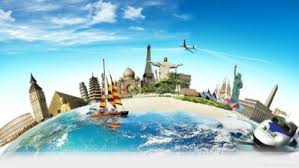
The Tourism Sector represents one of the strongest drivers of global economies, creating millions of job opportunities and attracting foreign investment. However, possessing scenic natural landscapes or rich historical monuments alone is no longer enough to attract visitors without an effective, modern Tourism Promotion strategy.
Definition of Tourism Promotion
Tourism promotion is a set of integrated marketing activities, campaigns, and communication tools used by governments and tourism bodies to showcase a nation’s cultural, natural, and recreational attractions. The objective is to motivate international and domestic tourists to visit specific destinations, extend their stay, and enhance their travel experience.
The Economic and Cultural Importance of Tourism Promotion
Tourism marketing plays a pivotal role in national development through multiple key areas:
- Driving Economic Growth and Increasing GDP: Tourism injects direct hard currency revenues into local businesses, hotels, transportation, and retail sectors.
- Creating Diverse Job Opportunities: Generating employment across hospitality, guiding, aviation, handicraft production, and logistics.
- Attracting Foreign Direct Investment (FDI): Encouraging international investors to build sustainable resorts, hotels, and infrastructure projects.
- Promoting Cultural Heritage: Highlighting local customs, historical monuments, and fostering international cultural exchange.
The Role of Modern Technologies in Tourism Promotion for 2026
Tourism marketing has evolved alongside the digital revolution, becoming more interactive through:
- Virtual Reality Marketing (VR & AR): Offering 3D virtual tours of museums and archaeological landmarks prior to booking trips.
- Streamlined e-Visas: Simplifying entry procedures and enabling instant digital trip registration.
- Content Creator & Influencer Partnerships: Collaborating with travel influencers to showcase authentic, inspiring travel experiences via short-form video.
- Sustainable & Eco-Tourism Focus: Highlighting eco-friendly destinations and protected natural reserves.
Government Responsibilities to Strengthen Tourism Activity
- Developing robust infrastructure, including modern transit networks, roads, and updated airports.
- Facilitating investment incentives for sustainable hotel and resort developments.
- Restoring archaeological sites and training multilingual, highly qualified tour guides.
- Launching targeted, multilingual global marketing campaigns directed at primary tourist export markets.
Investing in modern tourism promotion strategies ensures sector sustainability, drives economic resilience, and establishes a nation as a preferred global destination in 2026 and beyond.