


Practical Guide to Implementing Market Positioning in Your Business for 2026
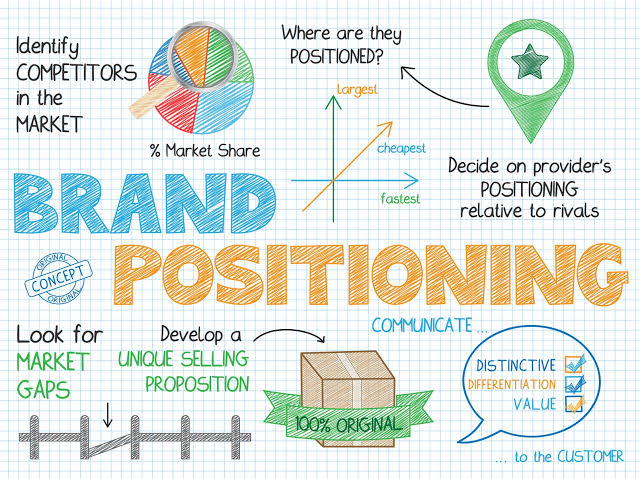
In the hyper-competitive marketplace of 2026, offering a great product or service is no longer enough. The true key to business dominance lies in Market Positioning (Brand Positioning)—the distinct mental space your brand occupies in the minds of target customers relative to competitors.
Actionable Steps to Execute Market Positioning in Your Business
To establish a clear and defensible market position for your company, follow these four strategic steps:
1. Conduct In-Depth Market Research
Study the current market landscape and analyze the unmet needs of your target audience while examining direct and indirect competitors to identify their strengths and vulnerabilities.
2. Define Your Unique Value Proposition (UVP)
Identify the core differentiator that makes your business stand out: Is it lightning-fast delivery? Uncompromising quality? AI-powered technical innovation? Or hyper-personalized customer care?
3. Craft a Clear Positioning Statement
Draft an internal strategic statement defining: “Who is your target audience? What specific problem do you solve? How do you solve it differently? And why should customers trust you?”
4. Develop Brand Slogans and External Messaging
Translate your internal positioning statement into customer-facing slogans and marketing messages that communicate brand value consistently across all touchpoints.
Global Examples of Powerful Mental Positioning
- Apple: Positioned around “Innovation, Simplicity, and Premium Design”—representing a lifestyle, not just consumer electronics.
- Tesla: Positioned as the pioneer in sustainable technology, autonomous driving, and electric mobility.
- Mercedes-Benz: Positioned around “Prestige, Engineering Excellence, and Status” (It’s more than just a car, it’s a statement).
- Google: Positioned as the synonym for search and universal knowledge, to the extent that the brand became an everyday verb (“Google it”).
When Is it Time to Reposition Your Brand?
Your business may need strategic repositioning in 2026 under specific circumstances:
- New competitors enter the market and copy your current unique value proposition.
- Shift in consumer behavior, expectations, or generational preferences.
- Expansion of your product line to target new market segments or geographic territories.
Summary
Market positioning is not a fleeting advertising campaign—it is an enduring brand promise delivered consistently across product quality, marketing messaging, and customer service.