


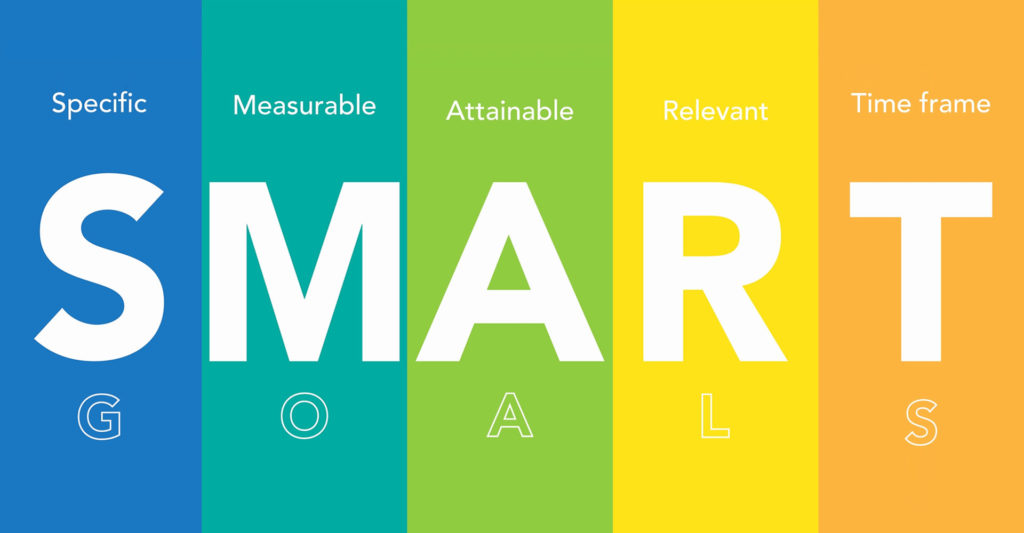
Introduction: What are SMART Goals and Why Do We Need Them in 2026?
In the modern business landscape of 2026, where technological changes are accelerating, setting vague goals is no longer sufficient for achieving success. The SMART Goals methodology stands out as one of the most effective frameworks for turning ambitions into tangible, realistic results across professional and personal endeavors.
Detailed Breakdown of the SMART Goals Framework
The acronym SMART represents five core attributes that every well-defined goal must possess:
1. Specific (S)
A goal must be clear and precisely defined without ambiguity. Instead of saying “I want to increase sales,” refine your goal to “I want to increase digital product sales by 20%.”
Guiding questions: What do I want to accomplish? Who is involved? Where will it happen?
2. Measurable (M)
A goal must contain criteria and metrics to measure progress and determine when it has been achieved.
Guiding questions: How much? How many? What are the key performance indicators (KPIs)?
3. Achievable (A)
A goal should be ambitious yet remain within reach of your skills and available resources to avoid frustration.
Guiding questions: Do I have the necessary resources and tools? Is the timeline realistic?
4. Relevant (R)
The goal must align with your broader vision, corporate strategy, or overarching career objectives for 2026.
Guiding questions: Is this the right time? Does this goal align with my long-term priorities?
5. Time-bound (T)
Every goal requires a target deadline to create a sense of urgency, accountability, and positive momentum.
Guiding questions: When will I start? When will it be completed? What can be achieved in 3 months?
Practical Example of Applying SMART Goals in Business (2026)
- Vague Goal: “I want to learn AI marketing.”
- SMART Goal: “I will complete an advanced course in AI marketing tools by studying 2 hours weekly and apply it to two live campaigns by the end of Q3 2026.”
Benefits of Implementing SMART Methodology in Modern Workplaces
- Sharp Focus: Provides complete clarity on daily priorities.
- Better Time Management: Prevents effort splatter on non-essential tasks.
- Team Motivation: Delivers a sense of accomplishment at every milestone.
Conclusion
Defining SMART goals is the critical first step toward transforming ideas into tangible achievements in 2026. Start applying this methodology to your professional objectives today!