


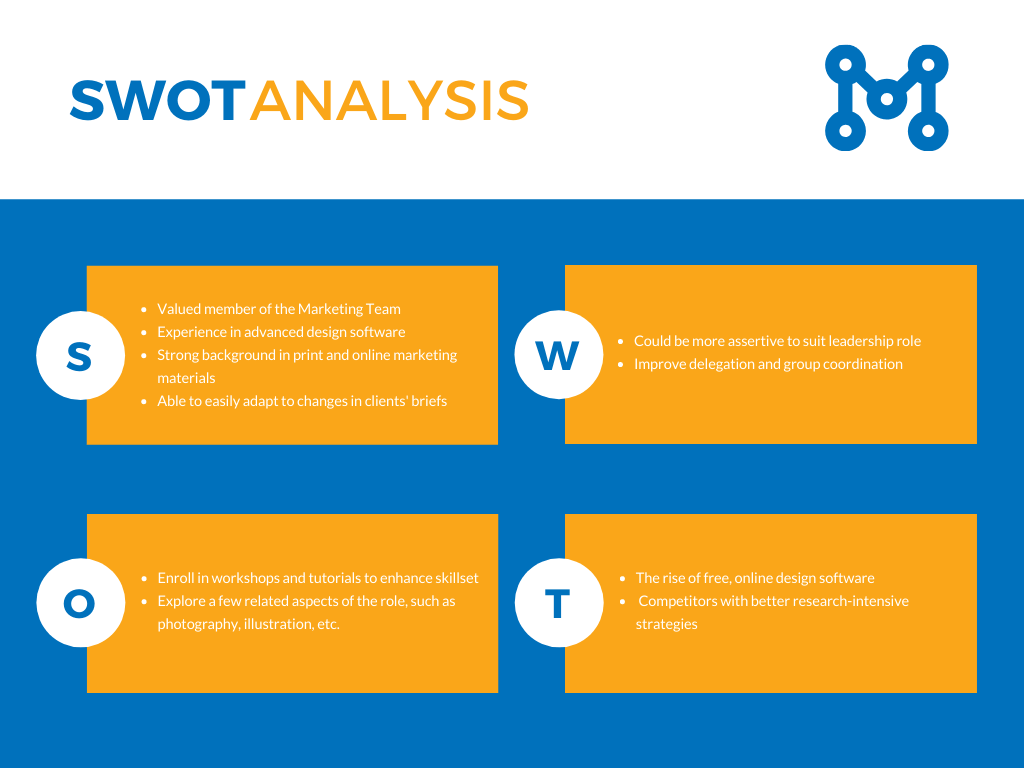
What is SWOT Analysis and Why is It Crucial in 2026?
SWOT analysis is the most renowned strategic planning framework in business, standing for (Strengths, Weaknesses, Opportunities, Threats). In 2026, amid rapid AI advancements and evolving consumer habits, SWOT is no longer an annual static exercise—it is a dynamic strategy powered by real-time data and predictive insights.
The framework consists of two core dimensions:
- Internal Analysis: Evaluates your organization’s Strengths and Weaknesses, which you directly control and can optimize.
- External Analysis: Examines Opportunities and Threats originating from the market, competitors, regulations, and technological shifts that require strategic adaptation.
Detailed Breakdown of SWOT Elements
1. Strengths
These are internal competitive advantages and capabilities that set your company apart and ensure market leadership. To identify strengths, ask:
- What superior value or features do we offer customers?
- Do we have exceptional talent and advanced technology (like AI tools and automated workflow systems)?
- Why do clients choose our brand over competitors?
- Do we possess strong brand equity, high market share, or a robust distribution network?
2. Weaknesses
These are internal shortcomings holding back growth, profitability, or competitiveness. To pinpoint weaknesses clearly, ask:
- What flaws exist in our supply chain or customer service?
- Are we lacking capital or up-to-date employee training?
- Are our marketing or tech stack behind 2026 standards?
- What recurring customer complaints or competitor edges exist?
3. Opportunities
These are external market conditions you can capitalize on for rapid growth and revenue. 2026 opportunities include:
- Emerging tech tools and automated workflows that boost productivity and marketing efficiency.
- Shifts in consumer preference toward sustainable e-commerce or AI-driven hyper-personalized services.
- Expanding into new markets or leveraging government incentives for business innovation.
- Competitor gaps you can fill with faster, superior solutions.
4. Threats
These are external risks that could harm business sustainability if unmitigated. Key threats today include:
- New market entrants utilizing aggressive pricing or disruptive tech.
- Rapidly changing consumer behavior or economic downturns in specific sectors.
- Cybersecurity risks threatening customer data and operational continuity.
- Over-reliance on a single vendor, platform, or acquisition channel.
Steps to Execute an Actionable SWOT Analysis
To turn analysis into a concrete action plan, follow these practical steps:
- Assemble a Cross-Functional Team: Include representatives from marketing, sales, support, and engineering for a well-rounded perspective.
- Gather Objective Data: Base findings on real metrics, market reports, and customer reviews.
- Brainstorming Session: Populate all four quadrants of the SWOT matrix collaboratively.
- Prioritize Findings: Identify top-impact items in each quadrant.
- Develop TOWS Strategies: Combine factors to formulate actions: leverage Strengths to capture Opportunities (Offensive), use Strengths to counter Threats (Defensive), and address Weaknesses to unlock Opportunities.
Conclusion & Best Practices for 2026
Conducting regular SWOT analyses provides an essential roadmap for smart business decisions. Review your analysis every 6 months to align your strategy with fast-moving digital market trends.