


How to Build a Professional Portfolio That Attracts Clients & Companies in 2026
In the competitive job market of 2026, a traditional resume (CV) is no longer sufficient to prove your competence and skills. A Professional Portfolio serves as your primary identity card and tangible proof of your ability to solve problems and deliver measurable results—whether you are a designer, developer, writer, or digital marketer.
What is the Difference Between a Resume (CV) and a Portfolio?
- Resume (CV): Text documentation of educational qualifications, written work experiences, and past employers.
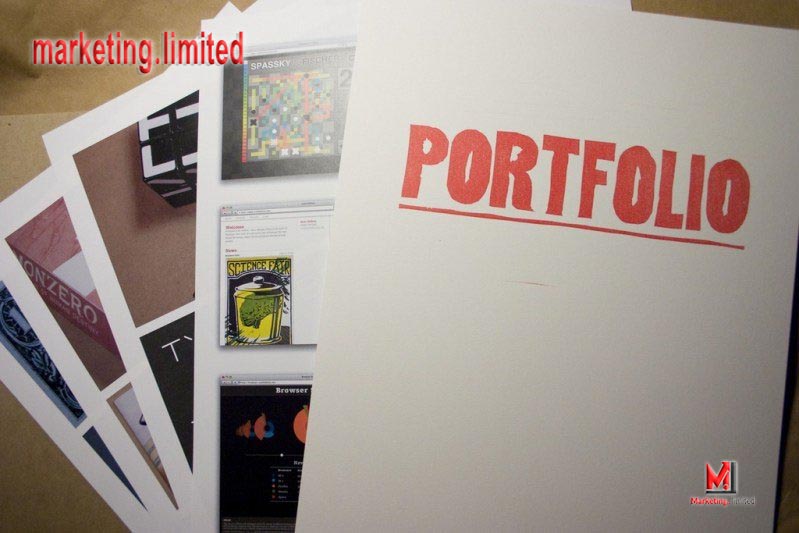
- Portfolio: A visual and interactive showcase of real work samples from past projects, demonstrating your workflow, critical thinking, and tangible outcomes.
Golden Steps to Build an Attractive & Professional Portfolio
1. Choose Quality Over Quantity
One of the most common mistakes is including every single project you’ve worked on since day one. Select only your best 5 to 8 projects that demonstrate your highest skill levels and the specialization you wish to pursue in the future.
2. Tell the Story of Each Project (Case Study Approach)
Do not settle for publishing final images or links alone; write a concise case study covering:
- The Problem: The challenge or pain point the client faced.
- The Solution: Tools, frameworks, and strategy applied to resolve it.
- Data-Driven Results: Revenue growth, site speed improvements, or engagement boosts achieved by your work.
3. Select the Right Digital Platform for Your Field
In 2026, digital platforms make building an interactive personal site effortless without complex coding:
- For Designers & Visual Content Creators: Behance, Dribbble, or custom sites on Framer / Webflow.
- For Developers & Engineers: GitHub, Hashnode, or a custom web portfolio.
- For Marketers & Content Writers: Notion, Medium, or a dedicated WordPress site bringing together articles and case studies.
4. Optimize UX & Mobile Responsiveness
Ensure your portfolio loads ultra-fast and is fully optimized for mobile devices, as over 70% of recruiters and clients browse portfolios from smartphones.
5. Include Client Testimonials & Social Proof
Adding real reviews and recommendations from previous clients or managers grants your portfolio high credibility and encourages new clients to reach out with confidence.
Top Tips to Ensure Lasting Portfolio Success
1. Continuous Updates: Refresh your portfolio every 3 to 6 months to feature your latest work and retire older projects.
2. Clear Call to Action (CTA): Place visible contact buttons (such as link to contact form, WhatsApp, or email) at the top and bottom of your site.
3. Showcase Passion & Personal Projects: If you don’t have enough client projects initially, create mock projects that showcase your skills clearly.