


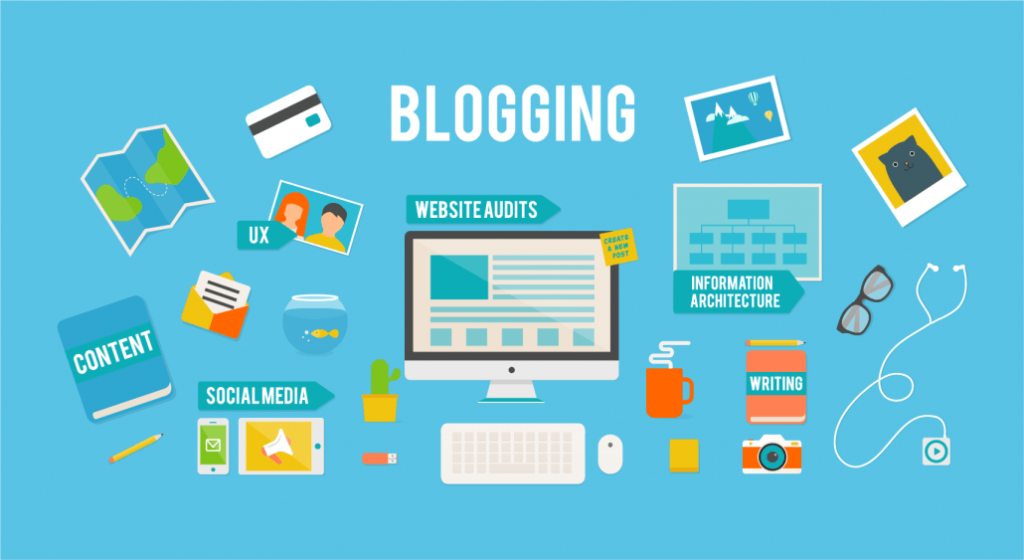
In the crowded e-commerce landscape of 2026, competition is no longer limited to product prices or paid ads alone; it now relies fundamentally on Content Marketing. An integrated blog on your online store is one of the most powerful tools for achieving sustainable growth and increasing sales.
Top Benefits of Having a Blog on Your E-Commerce Store
A blog gives your e-commerce store strategic advantages that go beyond merely displaying products. The most prominent benefits include:
- 1. Search Engine Dominance (SEO): A blog helps you target long-tail keywords that potential customers search for before making a purchase decision, doubling your targeted organic traffic for free.
- 2. Building Trust and Credibility (Brand Authority): Publishing educational articles and valuable guides establishes your store as a trusted authority in your field, driving customers to prefer buying from you over competitors.
- 3. Indirect Product Marketing (Soft Selling): A blog allows you to showcase product features and how to use them to solve everyday customer problems smoothly, without making them feel direct sales pressure.
- 4. Answering Customer Inquiries: Articles help clarify product usage details and comparisons, removing buyer doubts and accelerating purchasing decisions.
- 5. Supporting Social Media and Email Marketing: The blog provides a renewable supply of useful content that can be shared across social media platforms and email newsletters to retarget customers.
- 6. Reducing Customer Acquisition Costs (CAC): Quality content continuously attracts long-term customers without total reliance on increasingly expensive paid ads.
Tips for Writing Successful E-Commerce Blog Content in 2026
- Focus on Value: Write content that answers audience questions and offers practical solutions to their problems.
- Leverage AI and SEO: Research high-demand topics and naturally incorporate keywords to attract both search engines and readers.
- Integrate Product Links (Internal Links): Link articles to relevant product pages within your store, making it easy for visitors to purchase immediately.
- Engage with Readers: Leave space for Q&A comments and reviews to respond to inquiries and build a loyal community around your brand.